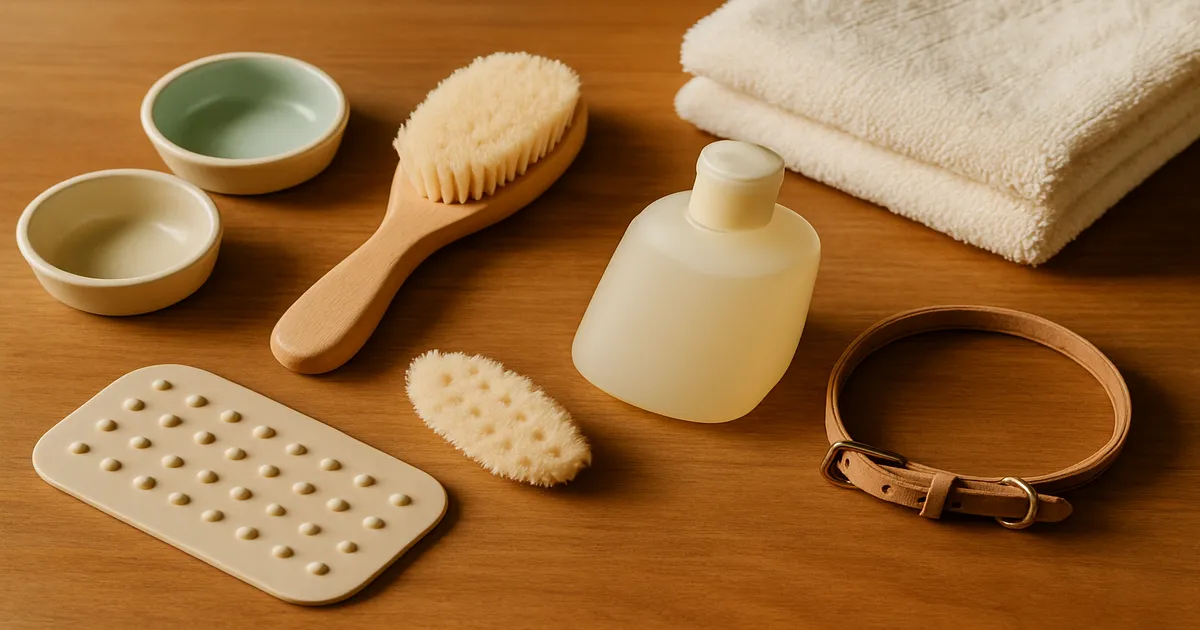
Quick Answer: To bathe two chihuahuas, work one dog at a time in a kitchen sink or small plastic tub, using lukewarm water (98–102°F / 37–39°C) and a dog-safe shampoo. Start with the calmer dog, then secure them in a warm crate while you bathe the second. Dry each dog completely before letting them roam. Most chihuahuas need a bath every 3–6 weeks depending on coat type — and for any dog under 6 lbs (2.7 kg), getting wet and cold is a genuine hypothermia risk, not a minor inconvenience.
How to Bathe Two Chihuahuas Without the Drama
Bathing two chihuahuas at once sounds simple. In practice, it’s a small logistical puzzle — one dog is wet and shivering while the other is watching from the sidelines, working themselves into a panic. Get the sequence right, though, and the whole thing runs smoothly in under an hour.
Chihuahuas are emotionally sensitive dogs with strong opinions about being handled. Restraint, water, and disrupted personal space all hit their pressure points at once. That bold “big dog in a small body” personality can flip into nippiness or frantic squirming the moment they feel cornered. They also shiver — a lot. The tricky part is that shivering can mean anxiety, cold, or both, so it’s easy to misread. A warm room and a calm, confident handler reduce both triggers.
Smooth Coat vs. Long Coat: How Coat Type Changes Your Approach
The two coat varieties need meaningfully different prep and drying time. Smooth-coated chihuahuas are low-maintenance at bath time — they dry in about 5–10 minutes and generally need a bath every 4–6 weeks. Long-coated chihuahuas need thorough brushing before the bath, take 15–25 minutes to fully dry, and benefit from bathing every 3–4 weeks to prevent oil buildup and tangles.
If you have one of each, plan accordingly. The long-coat dog will always need more of your time.
How Two Bonded Chihuahuas Influence Each Other
Bonded chihuahuas amplify each other’s emotional state — for better or worse. If one panics, the other often escalates. A calm dog, on the other hand, can genuinely settle an anxious one. That’s exactly why bathing the calmer dog first is a practical strategy, not just a preference.
What You Need Before You Start
Have everything within arm’s reach before the first dog gets wet. You cannot leave a wet chihuahua to go find a towel.
Bathing vessel: A standard bathtub is too large and too loud for most chihuahuas. The open space, echoing acoustics, and slippery surface combine to make it stressful. A kitchen sink, bathroom sink, or small plastic utility tub gives your dog defined boundaries, keeps them at a comfortable working height, and is far easier to control. Whatever you use, place a non-slip mat on the bottom — a chihuahua scrambling on a slippery surface will panic, and a panicking chihuahua is harder to bathe and more likely to hurt itself.
Supply checklist:
- Non-slip mat for the sink or tub
- Handheld sprayer or small pitcher
- Two full sets of towels — one per dog
- Cotton balls (placed loosely in ears before wetting)
- High-value treats — small, soft, and smelly
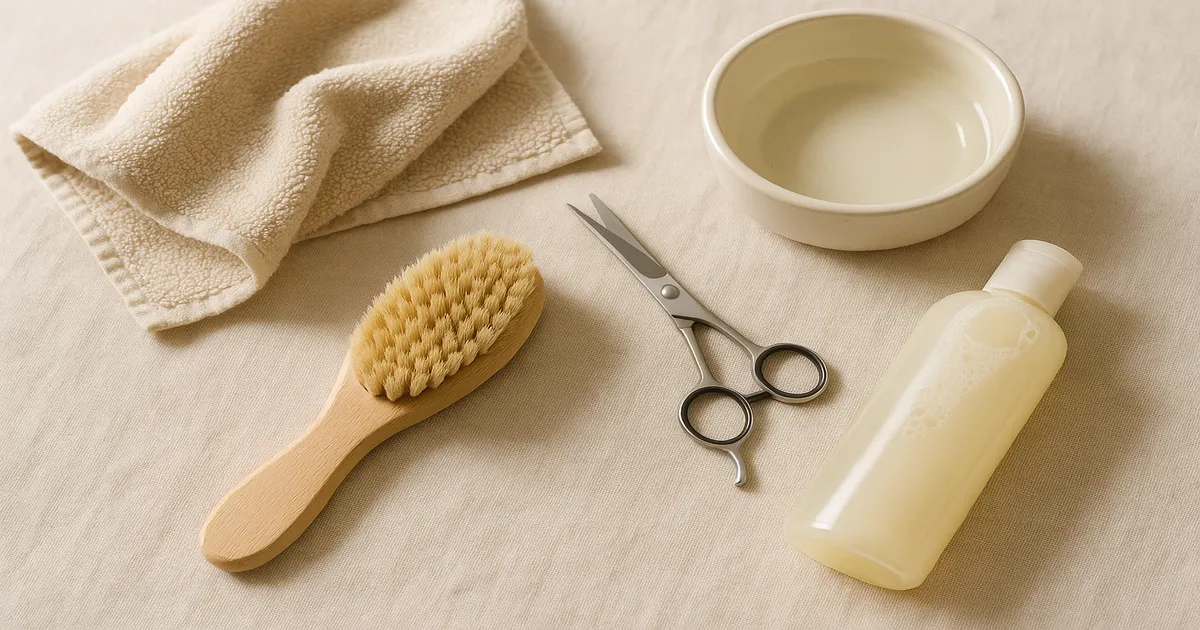
- Dog-safe shampoo; conditioner for long coats
- Low-heat blow dryer
Choosing a shampoo: Chihuahuas are prone to contact dermatitis, so the wrong product will show up as redness, flaking, or itching within a day or two. Use a pH-balanced, dog-specific formula — human shampoo disrupts the canine skin barrier even when it smells gentle. An oatmeal-based or hypoallergenic, fragrance-free shampoo is the safest default. Puppy shampoo works well for adults with sensitive skin. Avoid anything containing tea tree oil, permethrin, or coal tar — these are toxic to dogs at certain concentrations.
Step-by-Step: How to Bathe Two Chihuahuas
Step 1 — Prep Both Dogs First
Before any water runs:
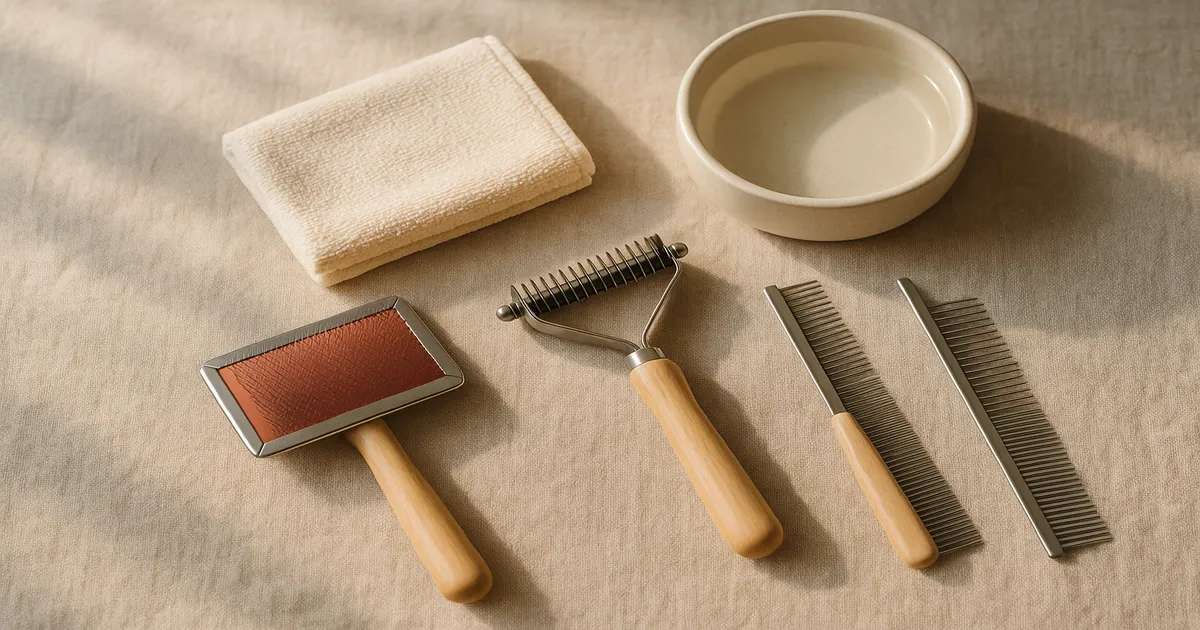
- Brush each dog thoroughly to remove loose fur and tangles. For long coats, this step is non-negotiable — mats tighten dramatically when wet, and a small tangle you could have worked out in two minutes beforehand can require scissors afterward.
- Trim nails if needed; it’s easier on a dry coat.
- Set up your bathing station with all supplies within reach.
- Run the water and check the temperature on your inner wrist — comfortably warm, not hot. Aim for 98–102°F (37–39°C).
- Place cotton balls loosely in the first dog’s ears.
Step 2 — Bathe Dog #1 (Start With the Calmer One)
Place the calmer dog in the sink and give them a moment to settle before the water starts. Then:
- Wet the coat thoroughly, starting at the neck and working toward the tail. Never aim the sprayer at the face.
- Apply a dime-to-quarter-sized amount of shampoo — that’s genuinely all you need for a 4–6 lb (1.8–2.7 kg) dog.
- Massage gently in the direction of hair growth, from neck to tail, then legs and belly.
- Use a damp washcloth to clean the face — no running water directly on the eyes, ears, or nose.
- Rinse until the water runs completely clear. Shampoo residue is one of the most common causes of post-bath skin irritation.
- For long coats, apply conditioner, leave it for 1–2 minutes, then rinse thoroughly.
- Remove the cotton balls.
- Wrap immediately in a warm towel and reward with treats and calm praise.
Step 3 — Secure Dog #1 While You Bathe Dog #2
Don’t just set the first dog down and hope for the best. A wet chihuahua left loose in a drafty room is a hypothermia risk. Place Dog #1 in a small crate or exercise pen lined with a dry towel, in a warm, draft-free spot. Tuck in a treat to keep the association positive. You’ll finish drying them once Dog #2 is clean.
Step 4 — Bathe Dog #2 Using the Same Process
Repeat every step from Step 2. Check the water temperature again — it can drift. By now, Dog #2 has been waiting nearby and has had a chance to observe the process at low intensity, which helps desensitize anxious dogs over time. Fresh cotton balls, correct water temp, same sequence.
Step 5 — Dry Both Dogs Completely
This step matters more than most people realize. A damp chihuahua is a cold chihuahua.
- Towel dry first: Press and squeeze gently — don’t rub, which causes tangles in long coats and unnecessary friction on smooth ones.
- Blow dryer: Use the lowest heat setting, held at least 12 inches (30 cm) from the coat. Keep it moving constantly — concentrated heat burns chihuahua skin quickly.
- For long coats, use a slicker brush while blow-drying to prevent tangles from setting as the hair dries.
- Both dogs must be completely dry before going outside or into an air-conditioned room.
Coat-Specific Grooming Tips
Smooth Coat Chihuahuas
A soft-bristle brush or rubber grooming mitt used once or twice a week removes loose fur and distributes skin oils. These dogs dry fast — usually 5–10 minutes of towel pressing followed by a brief low-heat blow-dry is all it takes.
Long Coat Chihuahuas
Use a pin brush 3–4 times per week, plus a fine-tooth comb worked through the feathering on the ears, chest, legs, and tail. Pay close attention to spots where fur overlaps — behind the ears and under the “armpits” — where mats form unnoticed. Drying takes 15–25 minutes with a low-heat dryer; brushing while you dry keeps the coat smooth and tangle-free.
Keeping Bath Time Low-Stress for Both Dogs
Treats are your most powerful tool. Use small, high-value rewards throughout — before the water starts, during wetting, during shampooing, and especially during rinsing, which most dogs find the least pleasant part. Keep your voice calm and even. Short, upbeat praise works better than nervous chatter, which dogs read as anxiety.
Never force a chihuahua into the water or hold them down aggressively. That approach creates lasting fear associations that make every future bath harder.
If one of your dogs is genuinely terrified of baths, a single session won’t fix it — but a short desensitization protocol over several weeks can. Start by placing the dog in a dry sink with treats. Once they’re comfortable there, introduce the sound of running water nearby, then a trickle on their paws. Build up gradually before attempting a full bath. Chihuahuas socialized to handling and water before 14 weeks are dramatically more tolerant as adults, so if you have a puppy, start gentle water exposure early.
The waiting dog can become anxious watching its companion being handled — especially if that companion is vocalizing. Keep them in a comfortable spot with a chew or treat-stuffed toy rather than leaving them loose where they can watch and work themselves up.
Health Considerations
Hypothermia risk: A 4 lb (1.8 kg) chihuahua has very little body mass to retain heat. When wet in a room that’s even slightly cool, core temperature can drop dangerously fast — within minutes. Keep the bathroom warm before you start, dry each dog immediately after rinsing, and never leave a wet chihuahua unattended.
Skin sensitivity: If you notice redness, itching, or flaking in the day or two after a bath, the shampoo is the first suspect. Switch to a fragrance-free, hypoallergenic formula. Rinse residue is another common culprit — when in doubt, rinse longer.
When to call your vet instead of bathing: Open wounds or broken skin, visible skin infections (crusting, oozing, strong odor), ear discharge, extreme lethargy, or signs of illness all warrant a vet call first. For puppies, watch for stress-related hypoglycemia — if your puppy seems weak or disoriented before a grooming session, offer a small meal and consider rescheduling.
Dental health (don’t skip this): More than 80% of chihuahuas develop periodontal disease by age 3. Their small jaws mean crowded teeth, faster plaque buildup, and quicker progression of gum disease. Daily brushing with a dog-specific toothbrush and enzymatic toothpaste is the standard of care. Dental chews and water additives help between brushings but don’t replace mechanical cleaning. Most chihuahuas need professional dental cleanings under anesthesia every 1–2 years.
Frequently Asked Questions
How often should you bathe a chihuahua?
Smooth-coated chihuahuas typically need a bath every 4–6 weeks. Long-coated chihuahuas benefit from bathing every 3–4 weeks to prevent oil buildup and tangles. Bathing too frequently strips natural skin oils and can cause dryness and irritation.
Can you bathe two chihuahuas at the same time?
It’s not recommended. Bathing two chihuahuas simultaneously means one dog is always unsupervised, wet, and at risk of getting cold. It’s also harder to give each dog the calm, focused attention that makes the experience positive. Bathe them one at a time, with the first dog secured in a warm crate while you work on the second.
What shampoo is safe for chihuahuas?
Use a pH-balanced, dog-specific formula. Oatmeal-based shampoos work well for sensitive skin, and hypoallergenic, fragrance-free options are a safe default. Puppy shampoo is appropriate for adults with delicate skin. Avoid anything containing tea tree oil, permethrin, or coal tar, and never use human shampoo.
How do you keep a chihuahua warm after a bath?
Towel dry immediately by pressing and squeezing — not rubbing — then use a blow dryer on the lowest heat setting held 12 inches (30 cm) away. Keep the dog in a warm, draft-free room until completely dry. Never let a chihuahua, especially one under 6 lbs (2.7 kg), go outside or into an air-conditioned space while still damp.
Why does my chihuahua shake during a bath?
Shaking usually signals anxiety, cold, or both. Some shivering from stress is common even in a warm environment — chihuahuas dislike restraint. Keep the water temperature comfortably warm (98–102°F / 37–39°C), work quickly and calmly, and use high-value treats throughout to build a positive association with bath time.