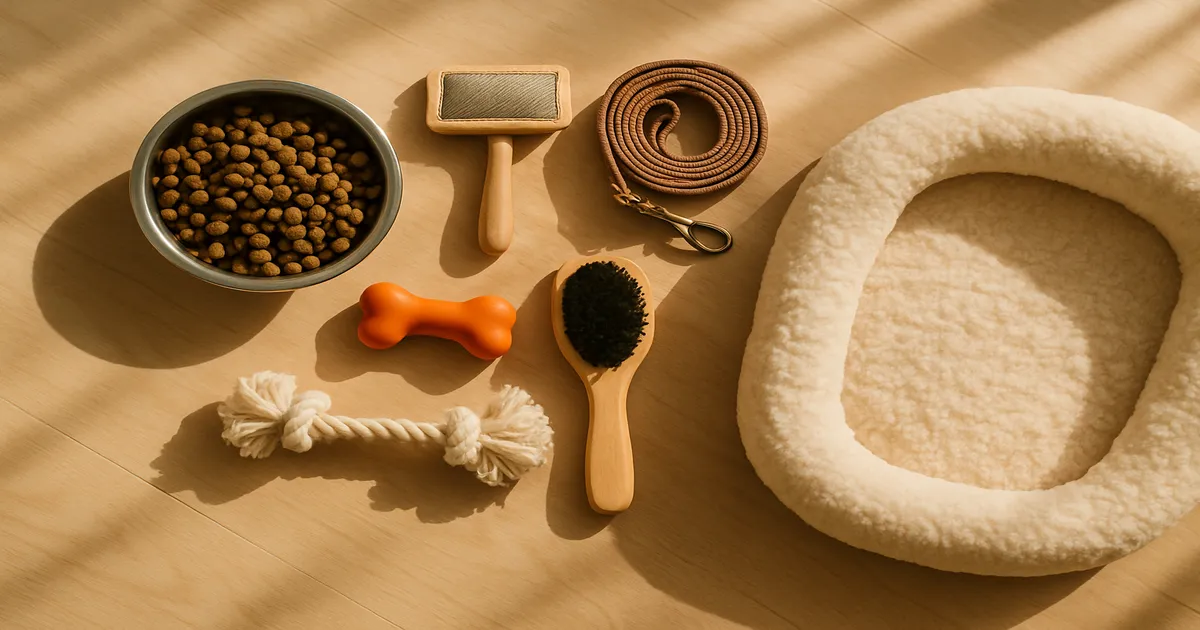
Quick Answer: Labrador Retrievers are friendly, high-energy dogs that thrive with active families willing to commit to daily exercise, consistent training, and regular grooming. They live 10–12 years, shed heavily year-round, and are among the easiest breeds to train — but they need a lot of attention to stay happy and healthy. This labrador retriever care guide covers everything from puppyhood through the senior years.
Labrador Retriever Care Guide: Key Facts at a Glance
| Feature | Details |
|---|---|
| Lifespan | 10–12 years |
| Weight | 55–80 lbs (25–36 kg) |
| Height | 21.5–24.5 inches (55–62 cm) |
| Coat Colors | Black, Yellow, Chocolate |
| AKC Group | Sporting |
| Energy Level | High |
| Grooming Effort | Moderate–High (heavy shedder) |
| Trainability | Excellent |
| Exercise Needs | 60–80 minutes/day (adults) |
Is a Labrador Retriever Right for You?
Labs are a great fit for active individuals, couples, and families who can commit to daily exercise and mental enrichment. They’re patient with children, easy to train, and adaptable to most living situations — as long as their energy needs are met.
One thing worth knowing upfront: there are two distinct type lines. English (Show) Labs are stockier and calmer, making them a better match for a relaxed family lifestyle. American (Field) Labs are leaner, faster, and considerably more intense — better suited to hunters or very active owners. Both are wonderful dogs, but they’re not interchangeable in terms of energy demands.
Breed History & Origins
From Newfoundland Fishing Dog to Family Favourite
Despite the name, the Labrador Retriever didn’t originate in Labrador. It came from Newfoundland, Canada, where fishermen relied on the now-extinct St. John’s Water Dog to retrieve nets, lines, and fish from the icy North Atlantic. That heritage explains a lot: the Lab’s love of water, its legendary retrieving drive, and its dense, water-resistant double coat are all direct inheritances from those working dogs.
British sportsmen visiting Newfoundland in the early 1800s quickly recognised the breed’s talent and began importing them to England.
How the Breed Was Saved and Refined
The 2nd Earl of Malmesbury is widely credited with formally establishing the “Labrador” in England around the 1830s. By the late 1800s, the breed had nearly vanished in Newfoundland due to heavy dog taxes and strict quarantine laws — but the 3rd Earl of Malmesbury and the 5th and 6th Dukes of Buccleuch collaborated to preserve it through careful breeding programs. Their efforts refined the Lab into a dedicated gundog: biddable, soft-mouthed, and built for endurance.
The Kennel Club (UK) formally recognised the breed in 1903, followed by the AKC in 1917. The Lab then held the title of America’s most popular dog breed for 31 consecutive years (1991–2022) before the French Bulldog nudged it from the top spot in 2023.
Coat Colors: Black, Yellow, and Chocolate
The AKC recognises three coat colors: black (the original and historically most common), yellow (ranging from pale cream to deep fox red), and chocolate (requiring two copies of the recessive brown gene). Fox red and white are simply shade variations within the yellow spectrum — not separate colors.
“Silver” Labs are more contentious. The AKC classifies them as a shade of chocolate, but the Labrador Retriever Club does not endorse silver as a legitimate breed color, and many breed historians believe the dilute gene responsible isn’t native to the breed.
Labrador Retriever Temperament & Personality
Friendly, Outgoing, and Active
The AKC breed standard sums the Lab up in three words: friendly, outgoing, and active. In practice, that means a dog that greets strangers like old friends, moves through life with infectious enthusiasm, and genuinely wants to be wherever you are. Labs are not guard dogs — a would-be intruder is more likely to get a tail wag than a warning bark.
New owners consistently underestimate how long Labs stay in “puppy mode.” Emotional maturity often doesn’t arrive until 2–4 years of age, which means you may have a 60-pound dog with the impulse control of a toddler for longer than you’d expect.
Intelligence and Trainability
Labs rank 7th in canine intelligence according to Dr. Stanley Coren’s research, capable of learning a new command in fewer than five repetitions and obeying known commands 95% of the time or more. This is why they dominate guide work, search and rescue, detection, and therapy roles worldwide.
That intelligence cuts both ways. A bored, under-stimulated Lab will find its own entertainment — and you probably won’t like what it comes up with.
Common Behavioural Challenges
- Jumping up — an enthusiastic greeting habit that needs consistent correction from day one
- Mouthiness — puppies explore with their mouths; bite inhibition training is essential early
- Counter-surfing — a nose-led Lab will absolutely steal food off any accessible surface
- Separation anxiety — Labs bond closely and can become destructive when left alone too long
- Pulling on leash — their strength and excitement make leash manners a training priority
None of these are dealbreakers. They’re all manageable with consistent, positive reinforcement-based training — but they won’t fix themselves.
Exercise Requirements
How Much Exercise Does an Adult Lab Need?
Healthy adult Labs need 60–80 minutes of vigorous exercise daily, ideally split across two sessions. Field-line Labs may need 90 minutes or more to truly settle. One short walk around the block won’t cut it for this breed.
The 5-Minute Rule for Puppies
For puppies under 12 months, follow the 5-minute-per-month-of-age rule: a 3-month-old gets 15 minutes of structured exercise twice daily; a 6-month-old gets 30 minutes. This limit exists because over-exercising a young Lab risks damaging open growth plates, which typically don’t close until 12–18 months. Free play in the yard is generally fine — it’s repetitive, high-impact exercise like long runs or forced fetch sessions that cause problems.
Best Activities for Labradors
- Swimming — full-body, low-impact, and deeply satisfying for the breed
- Fetch and retrieving games — taps directly into genetic drive and burns energy fast
- Hiking — excellent physical and mental stimulation
- Dock diving — a competitive sport Labs were practically born for
- Agility and obedience trials — combines movement with mental engagement
From age 7 onward, dial back to 30–45 minutes of moderate daily exercise, adjusted for joint health. Swimming remains ideal for seniors — it keeps them moving without stressing arthritic hips and elbows.
Mental Stimulation Matters Too
A physically tired Lab is a good Lab. A mentally bored one is a disaster. Puzzle feeders, frozen Kongs, and 10–15 minutes of focused obedience training can produce the kind of mental fatigue that a long walk alone won’t. “Sniff walks” — where you let the dog follow its nose rather than heel — are underrated and genuinely enriching.
Grooming Your Labrador Retriever
Understanding the Double Coat
The Lab’s coat has two layers: a short, dense topcoat that repels water and mud, and a soft, woolly undercoat that insulates against cold and heat. This double coat is brilliant engineering for a water-retrieving dog — but it means hair. A lot of hair.
Shedding happens year-round, with two heavy coat blows each spring and fall. During these periods, even daily brushing will leave hair on your furniture, clothes, and food. If dog hair in the house is a dealbreaker, a Lab is not your breed.
Brushing Schedule and Tools
- Low-shedding periods: Once a week minimum
- Year-round recommendation: 2–3 times per week
- During coat blows: Daily
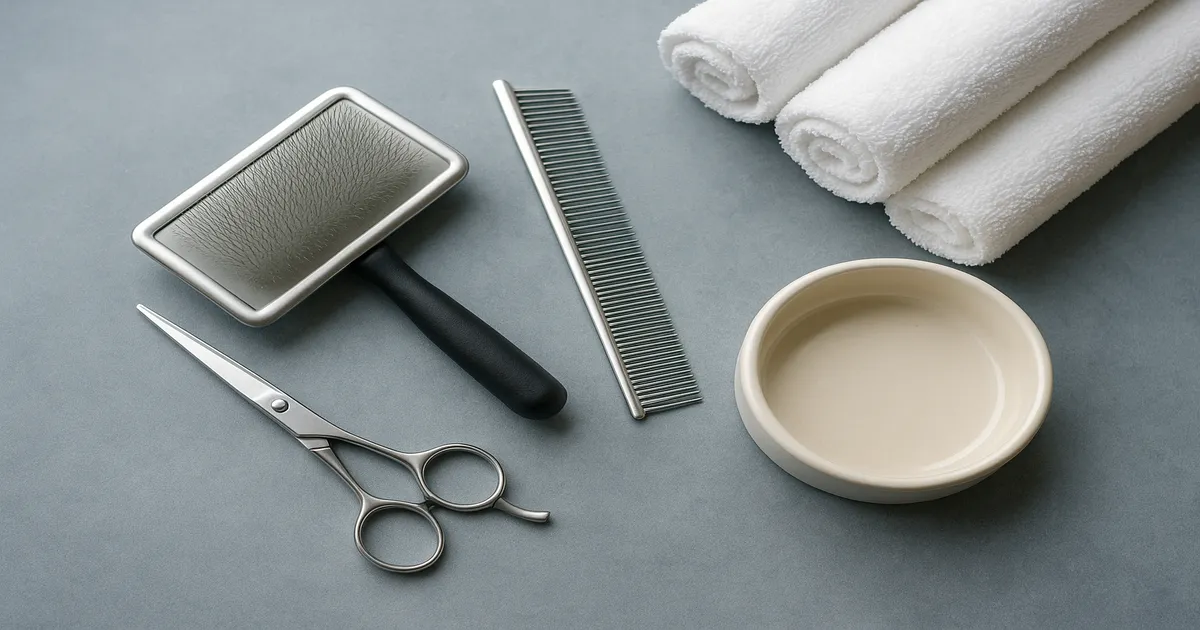
The most effective toolkit: a slicker brush for general maintenance, an undercoat rake during heavy shedding, and a rubber curry mitt for finishing and skin stimulation. A quality de-shedding tool designed for double-coated breeds can also make a significant difference during coat blows.
Bathe every 6–8 weeks using a pH-balanced, dog-specific shampoo. Avoid over-bathing — stripping the coat’s natural oils leads to dry, dull skin.
Ear Care: Don’t Skip This Step
Floppy ears plus a love of swimming equals a high risk of bacterial and yeast ear infections — one of the most common health issues in the breed, and largely preventable with consistent care.
- Non-swimmers: Clean ears every 2–4 weeks
- Swimmers: Clean after every swim, plus routine cleaning every 1–2 weeks
Use a veterinarian-approved ear cleaning solution — not water, hydrogen peroxide, or alcohol. Apply, massage the base of the ear for 30 seconds, let the dog shake, then wipe the outer canal with a cotton ball. Never insert cotton swabs into the ear canal.
Signs of infection: redness, odour, dark discharge, head shaking, or pawing at the ears. Any of these warrant a prompt vet visit.
Nails, Teeth, and Other Essentials
Trim nails every 3–4 weeks. Overgrown nails alter gait and put extra stress on joints — a real concern for a breed already prone to orthopedic problems.
Brush teeth at least 3 times per week (daily is ideal) with dog-specific toothpaste. Human toothpaste frequently contains xylitol, which is toxic to dogs. Some Labs also need periodic anal gland expression; scooting or excessive licking of the hindquarters is the telltale sign.
Common Health Problems in Labrador Retrievers
Lifespan and What Affects It
The average Lab lives 10–12 years. A 2023 UK study found that chocolate Labs have a shorter median lifespan than black or yellow Labs — a difference thought to be linked to a narrower gene pool and higher rates of skin and ear conditions associated with chocolate coat genetics. The lifespan gap between colors is real but modest, and individual health management matters far more than coat color.
Hip and Elbow Dysplasia
Hip dysplasia — a malformation where the hip’s ball and socket don’t fit correctly — affects approximately 12–13% of Labs tested by the OFA. Elbow dysplasia affects roughly 11–12%. Both conditions cause pain, progressive arthritis, and in severe cases require surgery.
Risk is influenced by genetics, but also by environmental factors: rapid growth, obesity, and over-exercise during puppyhood all increase the likelihood of problems. Keeping puppies lean and following the 5-minute exercise rule are practical protective measures.
Obesity and the POMC Gene Mutation
This deserves its own spotlight. A 2016 study from the University of Cambridge identified a mutation in the POMC gene that affects approximately 23% of pet Labs and 76% of assistance Labs. This mutation impairs the dog’s ability to feel full after eating — the “I’m satisfied” signal simply never arrives.
The result is a dog that is genuinely, biologically hungry all the time. Obesity worsens joint disease, shortens lifespan, and increases the risk of diabetes and heart disease. Measuring meals, avoiding free-feeding, and counting treat calories are the most impactful things you can do for your Lab’s long-term health.
Other Conditions to Know About
- Progressive Retinal Atrophy (PRA): A group of genetic diseases that progressively destroy the retina, eventually causing blindness. The most common form in Labs (prcd-PRA) is autosomal recessive. DNA testing identifies carriers; responsible breeders screen all breeding stock. There is no treatment, but affected dogs adapt well over time.
- Exercise-Induced Collapse (EIC): Caused by a recessive mutation in the DNM1 gene, affecting roughly 3% of Labs — with higher rates in field-line dogs. Affected dogs experience muscle weakness and collapse after intense exercise. A DNA test is available, and affected dogs can live normal lives as long as extreme exertion is avoided.
- Hypothyroidism: Relatively common in Labs; presents as weight gain, lethargy, cold intolerance, and coat changes. Manageable with daily oral medication.
Health Screenings to Request from Breeders
Before purchasing a Lab puppy, ask for documentation of:
- ✅ OFA Hip Evaluation (PennHIP or OFA radiograph)
- ✅ OFA Elbow Evaluation
- ✅ CAER Eye Examination (Companion Animal Eye Registry)
- ✅ EIC DNA Test
- ✅ OFA Thyroid Evaluation
A breeder who resists providing these isn’t following breed club recommendations. Walk away.
Feeding and Nutrition
How Much Should You Feed a Labrador Retriever?
There’s no single number that works for every dog — portion size depends on weight, age, activity level, and the specific food’s caloric density. Use the feeding guidelines on your dog food’s packaging as a starting point, then adjust based on body condition. You should be able to feel your Lab’s ribs without pressing hard, but not see them.
Never free-feed a Lab. Given the POMC gene mutation, an unsupervised food bowl is an open invitation to obesity.
Choosing the Right Food
Look for a high-quality food with a named protein source (chicken, salmon, beef) as the first ingredient. Given the breed’s orthopedic risks, foods containing glucosamine and chondroitin are worth considering from middle age onward. Omega-3 fatty acids — from fish oil or a dedicated supplement — support both joint health and coat condition.
Feeding by Life Stage
- Puppies (under 12 months): Feed a large-breed puppy formula 3 times daily. Avoid foods that promote rapid growth, which stresses developing joints.
- Adults (1–7 years): Two measured meals per day. Adjust portions seasonally if activity level changes significantly.
- Seniors (7+ years): Transition to a senior formula with lower calories and continued joint support. Monitor weight closely as metabolism slows.
Treats are a powerful training tool with Labs — but they add up fast. Keep treats to no more than 10% of daily caloric intake, and use pea-sized pieces during training sessions. Avoid table scraps entirely.
Foods to Avoid
- Xylitol (found in sugar-free products and some peanut butters) — highly toxic
- Chocolate — contains theobromine, toxic to dogs
- Grapes and raisins — can cause acute kidney failure
- Onions and garlic — damage red blood cells
- Cooked bones — splintering risk
- Macadamia nuts — toxic to dogs
Training Your Labrador Retriever
Start Early and Keep It Positive
Labs are among the most trainable dogs on the planet, but that doesn’t mean training happens automatically. Start basic obedience — sit, stay, come, leave it — as soon as your puppy comes home, ideally at 8 weeks. Short sessions of 5–10 minutes work better than long ones, especially with puppies whose attention spans are short.
Always use positive reinforcement: reward the behaviour you want with treats, praise, or play. Labs respond exceptionally well to food rewards, which makes them easy to motivate. Avoid punishment-based methods — they damage trust, increase anxiety, and are simply less effective than reward-based training.
Key Skills Every Lab Needs
- Loose-leash walking — start early; a 70-pound Lab that pulls is genuinely difficult to manage
- Reliable recall — a non-negotiable safety skill, especially near water
- “Leave it” — essential for a breed that will eat almost anything it finds
- Crate training — gives your Lab a safe space and prevents destructive behaviour when unsupervised
Socialisation Is Non-Negotiable
Expose your Lab puppy to a wide variety of people, dogs, sounds, surfaces, and environments between 3 and 16 weeks of age. This is the critical socialisation window. Puppies that miss it can develop fear or reactivity that’s much harder to address later. Puppy classes are an excellent way to combine socialisation with early training in a controlled setting.
Labrador Retriever Care Guide: Frequently Asked Questions
Do Labradors make good apartment dogs? They can adapt to apartment living, but only if their exercise needs are genuinely met every day. A Lab in a small space that isn’t getting 60–80 minutes of vigorous daily activity will become destructive and anxious. Access to outdoor space helps, but it’s the exercise that matters most.
How much do Labradors shed? A lot — year-round, with two heavy seasonal coat blows in spring and fall. Regular brushing (2–3 times per week, daily during coat blows) keeps it manageable, but some hair on your furniture and clothes is simply part of owning this breed.
Are Labs good with other dogs and cats? Generally yes, when properly socialised from a young age. Labs are typically friendly and non-aggressive with other dogs. They can coexist peacefully with cats, though their enthusiasm and size can be overwhelming for smaller animals. Early, supervised introductions are key.
How long can a Labrador be left alone? Adult Labs can typically manage 4–6 hours alone, though individual tolerance varies. Puppies should not be left alone for more than 2 hours. Labs that are regularly left alone for long periods are prone to separation anxiety and destructive behaviour. If your schedule requires long absences, a dog walker or doggy daycare is worth considering.
What’s the difference between English and American Labs? English (Show) Labs are stockier, broader-headed, and calmer — bred to conformation standards and well-suited to family life. American (Field) Labs are leaner, more athletic, and significantly higher energy — bred for hunting and field trials. Both are the same breed, but the difference in daily energy demands is real and practically significant when choosing a puppy.
Always consult your veterinarian for personalised health and nutrition advice specific to your dog.