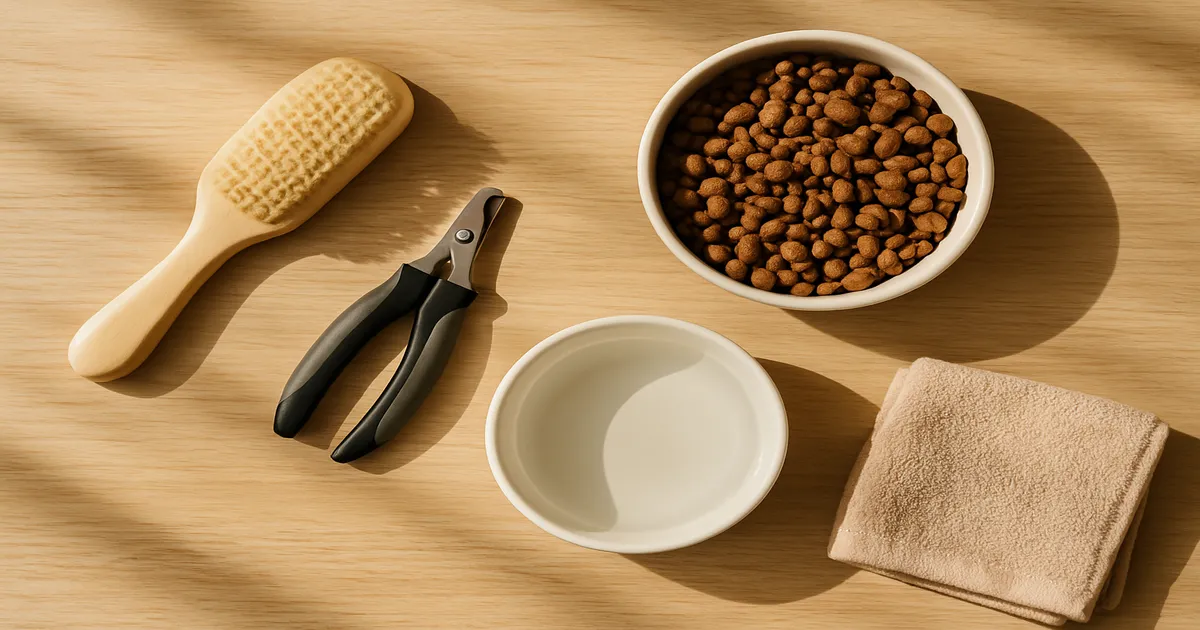
Quick Answer: Siamese cats are affectionate, intelligent, and highly vocal companions who thrive on human interaction and daily mental stimulation. This Siamese cat care guide covers everything you need — from their ancient origins and breed-specific health risks to grooming, nutrition, and creating the ideal home environment. If you want a cat that truly talks back, this is your breed.
Siamese Cat Care: Quick Overview (TL;DR)
Breed Snapshot at a Glance
| Trait | Details |
|---|---|
| Lifespan | 12–20 years (average 15–17 years) |
| Energy Level | High |
| Grooming Needs | Low |
| Vocality | Very high |
| Trainability | High |
| Shedding | Low to moderate |
| Ideal For | Engaged owners, families, multi-pet homes |
Is a Siamese Cat Right for You?
Siamese cats are not background pets. They want to be in the middle of your life — following you room to room, narrating your day, and curling up on your laptop. If you work long hours away from home without another animal for company, this breed will struggle.
They’re a great fit if you want a deeply bonded, interactive companion and can commit to daily play, mental enrichment, and regular vet care.
Breed History and Origin of the Siamese Cat
Ancient Roots in Thailand (Siam)
The Siamese is one of the oldest documented domestic cat breeds in the world. Their origins trace back to 14th-century Thailand (then called Siam), where they were recorded in the Tamra Maew — the “Cat Book Poems” — a manuscript believed to date between 1350 and 1767 CE. These cats were depicted with pale coats, dark masks, dark ears, and dark paws: unmistakably Siamese.
They were considered sacred. Kept in royal palaces and Buddhist temples, Siamese cats were believed to receive the souls of deceased royalty and were gifted to honored guests as a mark of deep respect.
Arrival in the Western World
Their Western debut came at the 1871 Crystal Palace Cat Show in London, where a Siamese pair caused a sensation — one observer memorably described them as “an unnatural, nightmare kind of cat.” The breed crossed the Atlantic soon after. In 1878, a Siamese named “Siam” was gifted to First Lady Lucy Hayes by the American consul in Bangkok, making it likely the first Siamese cat in the United States. The Cat Fanciers’ Association (CFA) recognized the Siamese as a founding breed when it was established in 1906.
Traditional vs. Modern Siamese: Two Body Types
Selective breeding through the mid-20th century created a visible split:
- Traditional (Applehead) Siamese — Rounder head, more robust body; closer to the original Thai cat. TICA now recognizes this type as a separate breed called the Thai cat.
- Modern (Wedgehead) Siamese — Elongated triangular head, tubular body, large flared ears; the type preferred in most contemporary show rings.
Both types share the same temperament and health considerations.
Classic Point Colors
The CFA recognizes four point colors in the Siamese:
- Seal Point — Pale fawn body, deep seal-brown points
- Chocolate Point — Ivory body, warm milk-chocolate points
- Blue Point — Bluish-white body, slate-blue points (a dilute of seal)
- Lilac Point — Glacial white body, pinkish-gray points (a dilute of chocolate)
Related breeds developed from Siamese lines include the Balinese (long-haired Siamese), Tonkinese (Siamese × Burmese), and Oriental Shorthair (same body type, hundreds of color options).
Siamese Cat Temperament and Personality
Affectionate, Vocal, and People-Oriented
Ask any Siamese owner and they’ll say the same thing: this cat thinks it’s a dog. Siamese follow their people from room to room, greet them at the door, and actively seek physical closeness. They’re not the type to sit across the room and observe — they want to be on you.
Their voice is equally hard to ignore. The Siamese “meezer” is loud, low-pitched, and surprisingly persistent. They use it to tell you they’re hungry, bored, lonely, or simply have opinions about your life choices. If you want a quiet cat, look elsewhere. If you want a cat you can actually have a conversation with, a Siamese will oblige.
Intelligence and Trainability
These cats are genuinely clever. They’ve been documented opening cabinet doors, solving multi-step puzzle feeders, and learning by watching humans perform tasks. That intelligence is a joy when directed toward enrichment — and a liability when the cat is bored.
Siamese are among the easiest cats to train, responding enthusiastically to positive reinforcement and clicker training. Many learn reliable recall, sit, high-five, fetch, and even leash walking. Keep sessions short — 5 to 10 minutes, two or three times daily — and always end on a success. Punishment has no place here; it creates anxiety and shuts down learning fast.
Social Needs and Separation Anxiety
This is the most important temperament point to understand: Siamese do not do well with prolonged solitude. Left alone for long stretches on a regular basis, they can develop separation anxiety — excessive vocalization, over-grooming, or destructive habits. They thrive in homes where someone is present for a significant portion of the day.
Exercise and Mental Stimulation
Daily Play Requirements
- Adult Siamese — At least 20–30 minutes of active, interactive play daily, ideally split between morning and evening
- Kittens and young adults under 2 years — Closer to 45–60 minutes of active engagement per day
Unlike some breeds that self-regulate, Siamese benefit from owner-initiated play rather than being left to entertain themselves.
Good toy options include wand and feather toys for triggering prey drive, laser pointers (always end with a physical toy the cat can actually “catch”), crinkle balls for spontaneous fetch, and collapsible cat tunnels that satisfy the urge to ambush and sprint. For very high-energy individuals, a cat exercise wheel can provide a genuine outlet beyond play sessions.
Mental Enrichment
Physical play alone isn’t enough for this breed. Mental exercise matters just as much.
- Set up a window perch near a bird feeder for hours of free entertainment
- Rotate toys regularly — novelty keeps them engaged
- Try scatter feeding or foraging (hiding kibble around the home) to tap into natural hunting instincts
- Short clicker training sessions count as mental exercise and strengthen your bond at the same time
- Cat TV (bird or fish videos) on a tablet can genuinely hold their attention
Should You Get a Second Cat?
A feline companion — ideally another high-energy breed — can meaningfully reduce boredom during owner absences. That said, a second cat supplements human interaction; it doesn’t replace it. A lonely Siamese with a companion cat is better than a lonely Siamese alone, but neither situation is ideal if long daily absences are routine.
Grooming Your Siamese Cat
Coat Care and Shedding
The Siamese coat is short, fine, and single-layered with a silky, close-lying texture. The colorpoint pattern is produced by a temperature-sensitive enzyme called tyrosinase, which only activates pigment in the cooler areas of the body — face, ears, paws, and tail. Points can lighten slightly in very warm climates.
Siamese are low-to-moderate shedders. Weekly brushing with a fine-toothed metal comb or rubber grooming glove is all that’s needed under normal circumstances — bump it to twice weekly during spring and fall. Most Siamese genuinely enjoy being groomed, making it an easy bonding ritual to establish early in kittenhood.
Bathing is rarely necessary, but an occasional bath every 4–6 weeks can help reduce Fel d 1 allergen levels on the coat. Always use a cat-specific shampoo and dry them thoroughly afterward — they’re sensitive to cold.
Nails, Ears, and Eyes
Trim nails every 2–3 weeks, cutting only the clear tip and avoiding the pink quick. Provide both vertical and horizontal scratching surfaces; sisal rope posts and corrugated cardboard are popular choices that also help keep nails naturally worn between trims.
Check ears weekly for wax buildup or signs of infection (redness, odor, dark discharge). Clean gently with a vet-approved ear solution and cotton balls — never insert swabs into the ear canal. For eyes, wipe any discharge from the inner corners with a damp cotton ball, using a fresh piece for each eye.
Dental Care
Siamese have a moderate predisposition to periodontal disease, so dental hygiene deserves serious attention. Daily brushing with enzymatic cat toothpaste is the gold standard. If daily brushing isn’t realistic, aim for at least 3–4 times per week and supplement with VOHC-approved dental chews or water additives. Schedule professional cleanings as your vet recommends — typically every one to three years depending on your cat’s individual dental health.
Common Siamese Cat Health Problems
Siamese are one of the longer-lived domestic cat breeds, with a typical lifespan of 12–20 years and an average of 15–17 years for well-cared-for individuals. That’s a long commitment — and a long relationship. It also means staying on top of breed-specific health risks.
- Feline asthma — Siamese are among the most commonly affected breeds. Manageable with inhaled or systemic bronchodilators and corticosteroids.
- Hepatic amyloidosis — A hereditary condition where amyloid protein accumulates in the liver. No cure, but supportive management can help.
- Dilated cardiomyopathy (DCM) — The heart muscle enlarges and loses efficiency. Signs include lethargy, labored breathing, and reduced activity tolerance.
- Inflammatory bowel disease (IBD) — More prevalent in Siamese than in the general cat population; presents as chronic vomiting, diarrhea, and weight loss.
- Megaesophagus — A dilation of the esophagus that causes regurgitation, with a known genetic predisposition in the breed. Elevated feeding positions and dietary modification are the primary management strategies.
- Feline hyperesthesia syndrome — Causes rippling skin along the back, excessive grooming, and episodes that can resemble hallucinations. Siamese are overrepresented in diagnosed cases. Management typically involves environmental modification, behavioral therapy, and sometimes medication.
- Mediastinal lymphoma — The health risk Siamese owners most need to know about. Research suggests Siamese are up to four times more likely to develop this chest-cavity cancer than other breeds. Early detection significantly improves outcomes.
- Feline odontoclastic resorptive lesions (FORLs) — Painful erosion of tooth structure that often requires extraction. Another reason consistent dental care matters for this breed.
Unspayed females carry an elevated risk of mammary tumors; spaying before the first heat cycle dramatically reduces this risk.
Historically, Siamese also showed convergent strabismus (crossed eyes) and nystagmus, both linked to an abnormal visual pathway gene. Most have been bred out of modern lines but can still occasionally appear.
Veterinary Care and Health Screenings
Annual wellness exams are the baseline for adult Siamese, moving to biannual visits from age 7–8 onward. Core vaccinations (FVRCP, rabies) should follow your vet’s recommended schedule. Year-round flea, tick, and heartworm prevention is advisable regardless of whether your cat lives indoors.
Given their breed-specific risks, ask your vet about:
- Complete blood panel and urinalysis — annually from age 7
- Cardiac auscultation at every wellness visit; echocardiogram if any murmur or symptom is detected
- Chest radiographs if respiratory symptoms are present
- Blood pressure measurement and thyroid panel (T4) — annually from age 7
Red Flag Symptoms — See a Vet Promptly
Don’t wait for the next scheduled appointment if you notice:
- Labored or rapid breathing, coughing, or wheezing
- Unexplained weight loss over a short period
- Persistent vomiting or diarrhea lasting more than 24–48 hours
- Rippling skin, excessive grooming, or self-mutilation
- Difficulty swallowing or repeated regurgitation after meals
- Sudden lethargy or collapse
Nutrition and Feeding Your Siamese Cat
Siamese have a naturally lean, muscular build and a faster metabolism than many breeds. A high-protein, meat-first diet supports muscle maintenance and energy levels. Look for foods where a named animal protein — chicken, turkey, or salmon — appears as the first ingredient.
Wet food should form the foundation of the diet. The higher moisture content supports urinary tract health and overall hydration. Cats are not naturally strong drinkers, and dry-food-only diets can contribute to chronic mild dehydration. High-quality dry food can supplement if desired, but shouldn’t be the sole diet.
Avoid free-feeding. Siamese are active but also prone to boredom eating, and free access to food makes it easy for weight to creep up unnoticed. Two measured meals per day works well for most adults. Puzzle feeders are an excellent way to turn mealtimes into mental enrichment.
Foods to avoid entirely: onions and garlic (all forms), grapes and raisins, xylitol, chocolate, caffeine, raw dough, and alcohol.
Living Environment and Daily Life
Indoor Living and Outdoor Enrichment
Keep your Siamese indoors. Their strong social bond to humans makes them poorly equipped for outdoor independence, and they face the same risks as any cat — traffic, predators, disease, and theft (Siamese are a recognizable breed). If outdoor enrichment matters to you, a secure catio or supervised leash walks on a well-fitted harness are excellent alternatives.
Home Setup
Siamese love height and movement. A well-set-up home includes tall cat trees positioned near windows, wall-mounted shelves or cat walkways, window perches overlooking outdoor activity, multiple scratching posts in different rooms, and cosy sleeping spots near where the family spends most of their time.
Children, Other Pets, and Apartment Living
Siamese generally do well with children who know how to interact respectfully with cats — they’re sturdy enough for family life and social enough to enjoy the activity. With other pets, they tend to be accepting, particularly with cats of similar energy levels. A calm, sedentary companion may find a Siamese’s enthusiasm overwhelming; another active breed is a better match.
If you live in an apartment or shared building, be honest with yourself about the vocality before committing. Siamese are loud, and they will vocalize at night, in the morning, and whenever their needs feel unmet. The best mitigation is consistent enrichment — a well-exercised, mentally stimulated Siamese is a quieter Siamese. Responding to every vocalization with immediate attention, however, tends to reinforce the behavior rather than reduce it.
Siamese Cat Care Guide: Frequently Asked Questions
How much attention does a Siamese cat need each day? Plan for at least 30–60 minutes of active interaction — play, training, or grooming — plus general companionship throughout the day. Siamese are not content to be left alone for long periods and do best in homes where someone is present for most of the day.
Are Siamese cats good for first-time cat owners? They can be, but only if the owner is prepared for a high-maintenance, high-interaction pet. Their trainability and affectionate nature are genuine assets for new owners. The challenge is their need for constant engagement — if you’re expecting a low-key, independent cat, a Siamese will surprise you.
Do Siamese cats get along with dogs? Often yes, particularly with dogs that are calm and cat-tolerant. Siamese are confident and social enough to hold their own, and many form genuine bonds with dogs. Slow, supervised introductions are essential regardless of the dog’s temperament.
Why does my Siamese cat cry so much at night? Nighttime vocalization usually signals boredom, hunger, or unmet social needs. Make sure your cat has had adequate play before bedtime, is on a consistent feeding schedule, and has enrichment available overnight (a window perch, toys, or a companion animal). If the behavior is sudden or new, rule out a medical cause with your vet — pain and cognitive changes in older cats can also trigger nighttime crying.
How do I know if my Siamese cat is a healthy weight? You should be able to feel your cat’s ribs easily without pressing hard, but not see them prominently. Viewed from above, there should be a visible waist behind the ribcage. Siamese are naturally lean, so a slightly prominent spine is normal — but visible hip bones or a distended belly both warrant a vet visit.