Quick Answer: German Shepherds rank #3 in canine intelligence and can learn a new command in fewer than 5 repetitions — making them one of the most rewarding breeds to train. Success comes down to three pillars: consistency, positive reinforcement, and early socialisation. Start young, keep sessions short and engaging, and this breed will exceed your expectations.
The best german shepherd training tips don’t just cover commands — they address the relationship underneath them. You’re working with one of the most capable dogs ever bred, a breed hardwired over more than a century to think alongside humans. Get that partnership right, and training stops feeling like a chore and starts feeling like a conversation.
German Shepherd Training Tips at a Glance
Why GSDs Are Among the Most Trainable Breeds
Dr. Stanley Coren’s research The Intelligence of Dogs ranks the German Shepherd #3 in canine intelligence, behind only the Border Collie and Poodle. They can learn a new command in fewer than 5 repetitions and obey a known command on the first attempt 95% of the time or better. It’s no coincidence they dominate police work, search-and-rescue, and service roles worldwide.
The Three Rules Every GSD Owner Needs
- Consistency — same cues, same rules, from every person in the household, every time
- Positive reinforcement — reward what you want to see more of; this breed responds to motivation, not correction
- Early socialisation — positive exposure during the critical window (3–14 weeks) shapes behaviour for life
First-time dog owners can absolutely succeed with a GSD. Their trainability makes the learning curve manageable — provided you commit from day one.
Understanding Your German Shepherd Before You Train
Breed History and Working Drive
Captain Max von Stephanitz founded the breed in 1899 around a single principle: utility and intelligence. He wasn’t breeding a show dog — he was engineering a working partner. Every training session you do today is a direct product of that vision. These dogs are hardwired to work alongside humans. They want a job, and they need one.
Working Lines vs Show Lines
Lineage genuinely affects training. West German Working, DDR (East German), and Czech lines tend to carry higher prey and play drive, requiring more structured outlets. American show lines are typically softer in temperament and easier for the average owner to manage. Knowing your dog’s background helps you calibrate expectations and choose the right approach.
Drive Types: Prey, Play, Food, and Social
Smart trainers use all four drives as leverage:
- Prey drive — channelled into retrieve games, tug, and sport work
- Play drive — toys become powerful reinforcers alongside food
- Food drive — most reliable for precision obedience
- Social drive — your praise and attention genuinely matter to this breed
Intelligence as a Double-Edged Sword
A mentally bored GSD doesn’t sit quietly and wait. It redecorates your house, excavates your garden, or rehearses reactive behaviours at the window. Training isn’t optional with this breed — it’s the management system that keeps their intelligence pointed in the right direction.
German Shepherd Puppy Training Tips (8 Weeks to 6 Months)
The Critical Socialisation Window: 3–14 Weeks
This is the single most important period in your GSD’s life. Positive exposures during weeks 3–14 build a dog that’s confident, adaptable, and stable. Miss this window and you’re playing catch-up for years. Aim to introduce your puppy to:
- Different types of people (children, men with beards, people in hats and uniforms)
- Varied surfaces (grass, gravel, tile, metal grates, stairs)
- Everyday sounds (traffic, vacuum cleaners, thunderstorms)
- Other vaccinated, friendly dogs and cats
- Novel environments (car rides, pet-friendly stores, parks)
First Commands to Teach Your GSD Puppy
Start with five foundational cues: sit, down, stay, come, and leave it. These aren’t party tricks — they’re safety behaviours. Keep sessions to 3–5 minutes at this age, use high-value treats, and always end on a success.
Crate Training and Routine
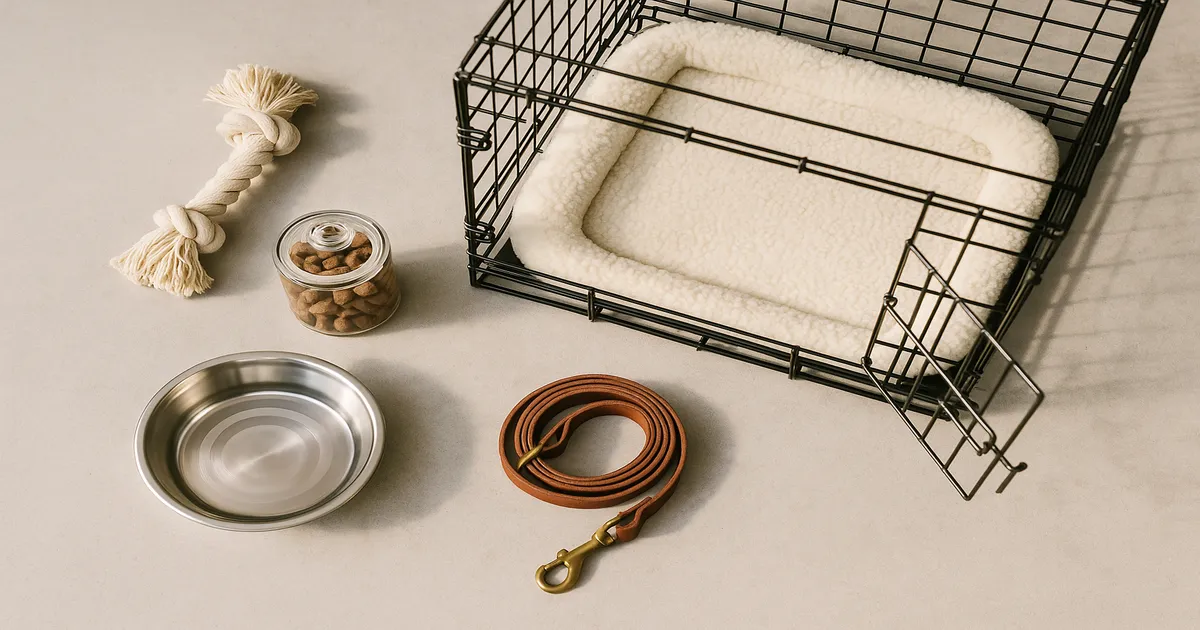
The crate is a safe den, never a punishment. Introduce it gradually — meals and treats inside before the door ever closes. Puppies on a predictable schedule (eat, play, train, sleep) settle faster and have fewer accidents. Routine reduces anxiety in a breed that genuinely craves structure. A well-sized crate with a comfortable pad makes the process significantly easier.
Bite Inhibition and Mouthing
GSD puppies mouth and nip — some also display herding instinct by circling and nipping at ankles. When teeth make contact with skin, redirect immediately to a toy. If the behaviour escalates, a brief, calm time-out works better than yelping or pushing the puppy away, both of which can accidentally amplify excitement.
Avoiding Common Puppy Training Mistakes
Harsh corrections are the biggest mistake owners make with this breed. GSDs are deeply sensitive to handler emotion — frustration and anger don’t motivate them, they shut them down or make them anxious. Keep your tone upbeat, your sessions short, and your expectations age-appropriate.
Core Obedience Training Techniques for German Shepherds
Positive Reinforcement: The Foundation of GSD Training
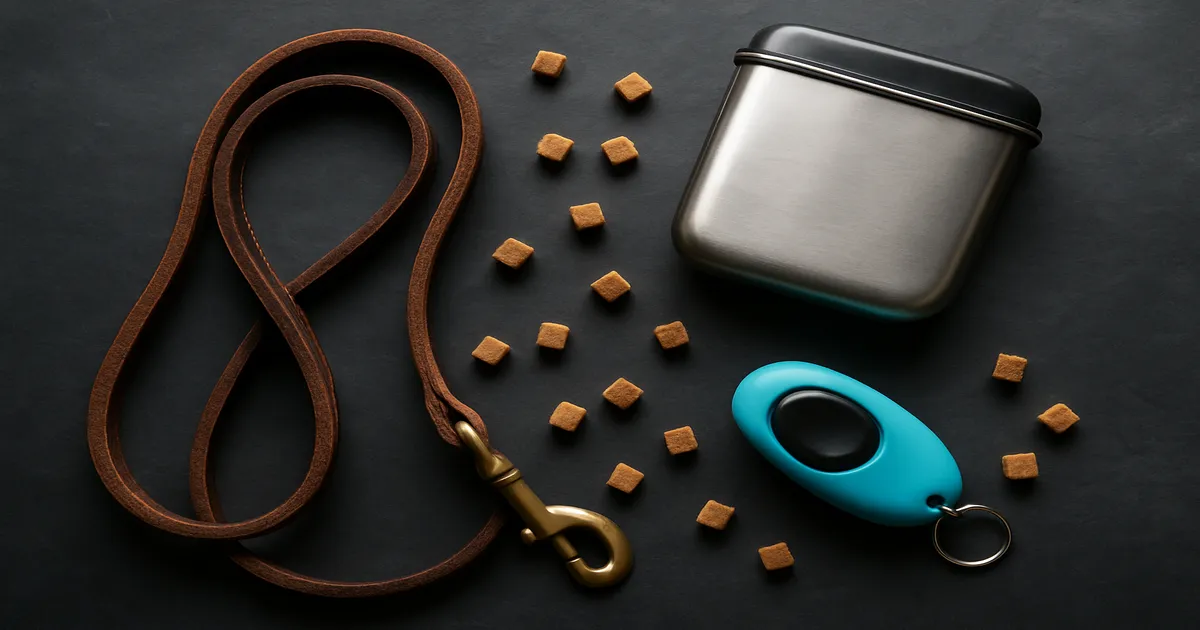
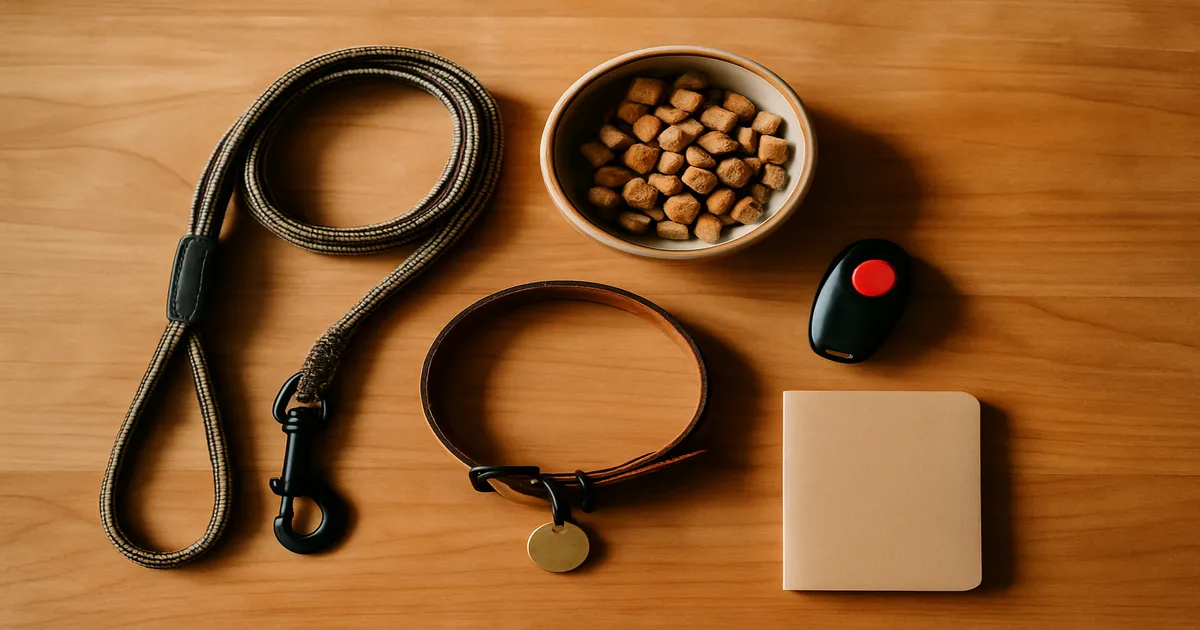
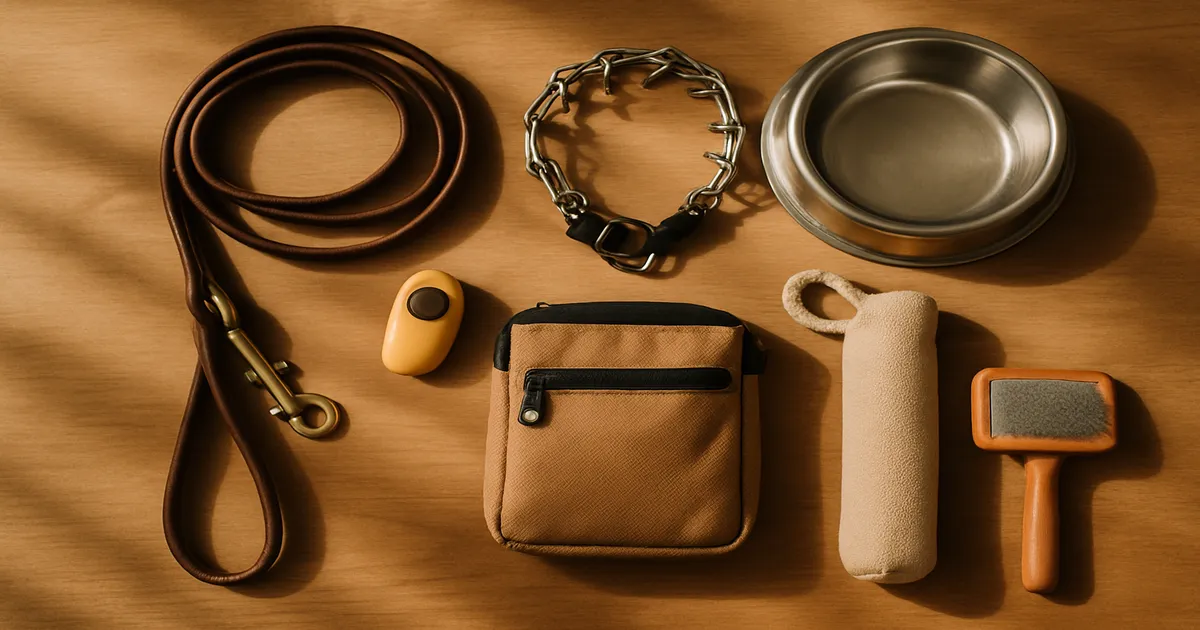
Positive reinforcement works so well with GSDs because it aligns with how their intelligence operates. They’re constantly scanning for information about what earns rewards. Give them clear, consistent feedback and they’ll optimise for it rapidly. A clicker or a crisp verbal “yes!” marks the exact moment they got it right — that precision matters when you’re building complex behaviours.
Building a Reliable Recall
Recall is non-negotiable for a large, high-drive breed. Build it in stages: start indoors with zero distractions, then move to a fenced yard, then a long line (15–30 feet) outdoors. Gradually add distractions, always reinforcing with your highest-value reward. One rule that protects recall above everything else: never call your dog to you for something unpleasant. Go get them instead.
Loose-Leash Walking and Heel Training
Treat delivery at your left hip teaches your dog that the heel position is the most rewarding place to be. If your dog pulls, stop moving — forward momentum is the reward. The instant the leash goes loose, mark it and keep walking. Consistency here is everything; one person letting the dog pull undoes everyone else’s work.
Proofing Commands Across Environments
GSDs can be context-specific learners. A dog that sits perfectly in your kitchen may look at you blankly at the park. That’s not disobedience — it’s a training gap. Deliberately practise known commands in new locations, gradually increasing distraction levels. A command isn’t truly learned until it works everywhere.
How Long Should Training Sessions Be?
Keep formal sessions to 10–15 minutes, 2–3 times daily. Mental fatigue sets in faster than owners expect with this breed. Short, high-quality sessions beat one long, grinding session every time. End while your dog is still engaged and wanting more.
Socialisation: Raising a Confident, Non-Reactive GSD
Breed-Typical Aloofness vs Fear-Based Reactivity
The AKC breed standard describes the GSD as having “a certain aloofness that does not lend itself to immediate and indiscriminate friendships.” That reserved quality is correct and expected. A GSD that calmly assesses a stranger and then ignores them is doing exactly what the breed was designed to do. A GSD that barks, lunges, or freezes is showing a socialisation gap — and the distinction matters because the solutions are completely different.
Socialising an Adult or Rescue German Shepherd
Adult dogs with socialisation gaps need systematic desensitisation and counter-conditioning: identify the trigger, find the distance at which your dog notices it but stays calm (the threshold), and pair that distance with high-value food. Progress is measured in weeks and months, not days. A qualified behaviourist is your best asset here.
Advanced Training and Mental Stimulation for German Shepherds
Nose Work and Scent Detection
Nose work is arguably the most underrated enrichment activity for this breed. It requires minimal equipment, works indoors or out, and is mentally exhausting in the best possible way. Start by hiding treats in cardboard boxes and letting your dog find them — the concept comes naturally to a breed built for detection work.
IGP/Schutzhund: The Sport Built for This Breed
IGP (formerly Schutzhund) encompasses tracking, obedience, and protection work — and it was literally designed with the German Shepherd in mind. You don’t need to pursue the protection phase to benefit; tracking and obedience competition alone provide extraordinary structure and engagement for working-line dogs.
Puzzle Feeders and Daily Enrichment
Feed meals in puzzle feeders, snuffle mats, or on Licki Mats instead of a bowl. Scatter kibble in the grass for a “find it” session. These small daily habits reduce frustration behaviour significantly — a dog that works for its food is a calmer, more focused dog.
Structured Tug Play as a Training Tool
Tug is not a dominance game. Played with clear rules — “take it” to start, “drop it” to end — it builds prey drive, impulse control, and handler engagement simultaneously. It’s one of the most powerful training tools available for this breed, and it doubles as genuine physical exercise.
Exercise and Managing High Energy
How Much Exercise Does a German Shepherd Need?
Adult GSDs need a minimum of 2 hours of exercise per day, split across multiple sessions. Under-exercised GSDs become anxious, destructive, and difficult to train — their behaviour is often a direct reflection of unspent energy.
The 5-Minute Rule for Puppies
For puppies, follow the 5-minute rule: 5 minutes of structured exercise per month of age, up to twice daily. A 4-month-old gets 20 minutes, twice a day. This protects developing joints in a breed already predisposed to hip and elbow dysplasia.
Balancing Physical and Mental Exercise
Here’s something many owners discover too late: a 30-minute training session tires a GSD more effectively than an hour of running. The combination of physical and mental work produces a genuinely calm, settled dog. Aim for both every day. Avoid repetitive high-impact exercise — long runs on hard surfaces, sustained jumping, rough play on concrete — for dogs under 18 months.
Troubleshooting Common German Shepherd Training Challenges
Jumping Up
Reward four paws on the floor, every time. Turn away and withhold attention the moment jumping begins. Ask visitors to do the same. Inconsistency is the only reason this behaviour persists.
Excessive Barking
Teach a “quiet” cue by waiting for a natural pause in barking, marking it, and rewarding. Never shout at a barking dog — to them, you’re joining in.
Separation Anxiety
Build independence gradually: practice short absences of 30 seconds, then 2 minutes, then 10, always returning before your dog becomes distressed. A stuffed Kong given just before you leave creates a positive departure association and keeps your dog occupied.
Leash Reactivity
Identify the distance at which your dog notices the trigger but stays calm, and work consistently at that distance. Closing the gap too fast is the most common mistake. Behaviour Adjustment Training (BAT) and threshold management are the most effective frameworks here.
When to Call a Professional
If your GSD has bitten someone, displays aggression toward family members, or has reactivity that’s escalating despite your efforts, stop DIY training and call a certified professional. Look for a CPDT-KA (Certified Professional Dog Trainer) or an IAABC-certified behaviourist. These are complex animals, and some problems genuinely require expert eyes.
Frequently Asked Questions About German Shepherd Training
How long does it take to train a German Shepherd?
Basic obedience — sit, down, stay, come, loose-leash walking — can be reliably established within 8–12 weeks of consistent daily training. A fully proofed GSD that responds reliably in any environment typically takes 1–2 years of ongoing work. Think of training as a lifelong practice, not a one-time event.
Are German Shepherds good for first-time dog owners?
Yes, with the right approach. Their intelligence and eagerness to work with humans make them highly responsive to positive reinforcement. The real challenge for first-time owners is meeting their exercise and mental stimulation needs — an under-stimulated GSD is significantly harder to manage than a well-exercised one.
At what age should you start training a German Shepherd puppy?
From the day they come home, typically 8 weeks. The critical socialisation window runs from 3–14 weeks, so early positive exposures and basic command introduction should begin immediately. Keep sessions to 3–5 minutes and focus on making training fun.
What is the best training method for German Shepherds?
Positive reinforcement — marking and rewarding desired behaviours — is the most effective and well-supported method for this breed. GSDs are sensitive to handler emotion and respond poorly to harsh corrections, which can create anxiety or cause them to shut down entirely. Clear communication, consistent rules, and high-value rewards produce the best results.
How do you stop a German Shepherd from being aggressive toward strangers?
First, distinguish between breed-typical aloofness (normal) and fear-based reactivity (a training problem). True aggression toward strangers requires professional assessment — do not attempt to manage it alone. For mild reactivity, systematic desensitisation and counter-conditioning at a safe distance, paired with high-value rewards, can build positive associations over time.