Quick Answer: Caring for a Miniature Schnauzer means balancing moderate-to-high exercise, a strict low-fat diet, consistent positive-reinforcement training, and professional grooming every 6–8 weeks. Get those four pillars right and you’ll have a healthy, happy companion for 12–15 years.
Miniature Schnauzer Care at a Glance
Key Facts About the Miniature Schnauzer
| Trait | Details |
|---|---|
| Height | 12–14 inches (30–36 cm) |
| Weight | 11–20 lbs (5–9 kg) |
| Lifespan | 12–15 years |
| Energy Level | Moderate-to-high |
| Grooming Needs | High |
| Shedding | Low |
| Trainability | Excellent |
| Good for Apartments | Yes, with adequate exercise |
| Allergy-Friendly | Relatively (low-shedding, not truly hypoallergenic) |
Is a Miniature Schnauzer Right for You?
Miniature Schnauzers are remarkably adaptable — equally at home in a city apartment or a suburban house — but they’re not low-maintenance. They need mental stimulation just as much as physical exercise, and their diet requires more attention than most breeds due to a genetic predisposition to pancreatitis. If you want an intelligent, loyal, low-shedding dog and you’re prepared to put in the work, this breed delivers in spades.
Breed History and Characteristics
Origins and Development
The Miniature Schnauzer was developed in Germany during the mid-to-late 19th century as a farm dog and ratter — a smaller version of the Standard Schnauzer capable of chasing vermin into tight spaces. Breeders crossed the Standard Schnauzer with smaller dogs, most likely the Affenpinscher and Poodle. The first recorded Miniature Schnauzer appeared in 1888, and the breed was being shown at German dog shows by 1899.
The name comes from the German word Schnauze, meaning “snout” or “muzzle” — a nod to that iconic bearded face.
AKC Recognition and Breed Standard
The AKC recognized the breed in 1926, placing it in the Terrier Group. Internationally, the Fédération Cynologique Internationale (FCI) classifies it in Group 2 alongside Standard and Giant Schnauzers, treating the three sizes as related breeds rather than terriers. Miniature, Standard, and Giant Schnauzers are entirely separate breeds, not size variants of one another.
Coat Colors
The AKC recognizes three coat colors: salt and pepper, black and silver, and solid black. White Miniature Schnauzers exist and are recognized by the FCI and some European registries, but are disqualified from AKC conformation showing. Parti and liver-colored dogs fall outside all major breed standards.
Miniature Schnauzer Temperament
Core Personality Traits
Miniature Schnauzers are often described as having a big-dog personality in a small frame. They’re alert, spirited, and genuinely sociable — more people-oriented than many terriers. They’re also vocal, curious, and deeply loyal, often following their owners from room to room.
That velcro quality is endearing, but it means this breed can develop separation anxiety if left alone for long stretches without proper preparation.
Intelligence and Trainability
Stanley Coren ranked the Miniature Schnauzer 12th in The Intelligence of Dogs, placing them in the “Excellent Working Dogs” category. In practical terms, they can learn a new command in fewer than five repetitions and obey a known command on the first attempt at least 85% of the time.
Positive reinforcement is non-negotiable. Harsh or punishment-based methods don’t just fail — they actively backfire, producing anxiety and defensive behavior. Keep sessions short, upbeat, and reward-driven.
Behavior With Children, Strangers, and Other Pets
Well-socialized Miniature Schnauzers are friendly with strangers and generally excellent with children, though their energy can overwhelm very young toddlers. They can be dog-selective, so early and ongoing socialization matters. Their ratting heritage also means a strong prey drive — small animals like rabbits or hamsters may not be safe housemates, and off-leash time in unfenced areas carries real risk.
Exercise and Mental Stimulation
Daily Exercise Requirements by Life Stage
Adult Miniature Schnauzers need 30–60 minutes of exercise daily, ideally split between morning and evening. For puppies, follow the five-minute rule: five minutes of structured exercise per month of age, twice daily — so a four-month-old gets roughly 20 minutes per session. Senior dogs (7+) benefit from continued daily activity at a gentler pace to protect aging joints.
Best Activities for Miniature Schnauzers
- Brisk leash walks or light jogging — good cardiovascular exercise with mental stimulation from sniffing
- Fetch and ball games — burns energy fast and taps into prey drive
- Agility training — Miniature Schnauzers genuinely excel here
- Earthdog trials — AKC-sanctioned events that let them do what their ancestors were bred for
- Off-leash play in a securely fenced yard — fencing should be at least 4 feet high
Mental Enrichment to Prevent Boredom
Physical exercise alone won’t cut it. A bored Miniature Schnauzer becomes a barky, destructive one. Build mental work into every day with puzzle feeders at mealtimes, (Nina Ottosson Dog Brick) snuffle mats for nose work, short trick-training sessions (10–15 minutes, two or three times a day), and rotating toys to keep novelty fresh.
How to Groom a Miniature Schnauzer
Understanding the Double Coat
The Miniature Schnauzer has a wiry, hard outer coat over a soft, dense undercoat. The longer beard, eyebrows, and leg hair — called furnishings — create the breed’s distinctive silhouette. Shedding is minimal, which is one reason the breed is popular with allergy-sensitive owners, though no dog is truly hypoallergenic.
Brushing, Bathing, and At-Home Maintenance
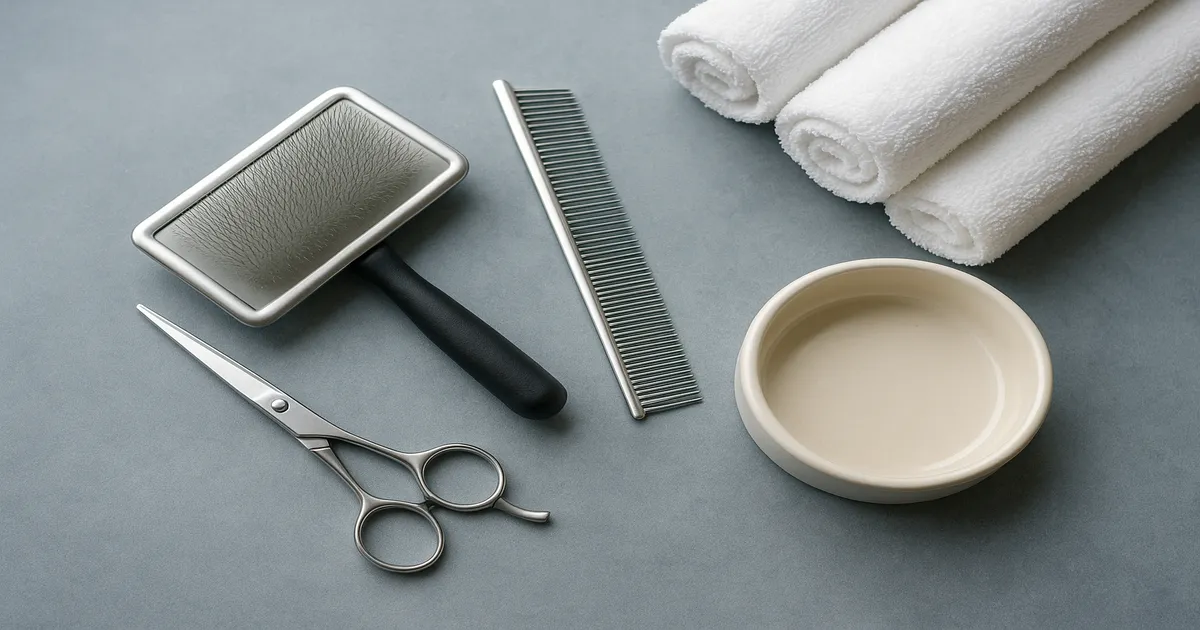
Brush two to three times per week using a slicker brush on the body coat and a metal comb through the beard and leg furnishings. The areas behind the ears, in the armpits, and around the groin mat fastest — give those extra attention.
Bathe every three to four weeks with a shampoo formulated for wire or double coats. The beard stains easily from food and water, so wipe it daily with a damp cloth and swap plastic water bowls for stainless steel to reduce bacterial buildup.
Professional Grooming: Clipping vs. Hand-Stripping
Plan on professional grooming every 6–8 weeks. Most pet owners choose either the traditional Schnauzer cut (shorter body with longer beard, brows, and leg furnishings) or the puppy cut (uniform short length all over, lower maintenance between visits). Show dogs are hand-stripped — a technique that pulls dead coat rather than cutting it, preserving the wiry texture and true coat color. For a companion dog, clipping is perfectly fine.
Nail, Ear, and Dental Care
- Nails: Trim every 3–4 weeks. Pavement walks help, but won’t replace trimming entirely. A nail grinder can make the process easier for nervous dogs.
- Ears: Check weekly for redness, odor, or wax buildup; clean every 2–4 weeks with a vet-approved ear solution.
- Teeth: Brush daily — or at minimum three times a week — using enzymatic dog toothpaste. Never use human toothpaste; xylitol is toxic to dogs. Supplement with VOHC-approved dental chews.
Dental disease is genuinely common in small breeds, and consistent home care can prevent costly professional cleanings down the road.
Common Miniature Schnauzer Health Issues
Metabolic Conditions: Hyperlipidemia, Pancreatitis, and Diabetes
This is the health topic every Miniature Schnauzer owner needs to understand. A significant portion of the breed carries a genetic predisposition to hypertriglyceridemia — abnormally elevated blood triglycerides. Left unmanaged, high triglycerides can trigger pancreatitis, lipemia retinalis, and even seizures.
Pancreatitis is one of the most common reasons Miniature Schnauzers end up in emergency vet clinics, and fatty food is a primary trigger. Chronic pancreatitis also raises diabetes risk. The good news: a carefully managed low-fat diet goes a long way toward prevention.
Urinary Stones and Bladder Health
Miniature Schnauzers are disproportionately represented in veterinary literature on calcium oxalate bladder and kidney stones. They’re also susceptible to struvite stones, typically linked to urinary tract infections. Adequate hydration, regular urinalysis, and an appropriate diet are the main preventive tools. Straining to urinate, blood in the urine, or unusually frequent trips outside all warrant a prompt vet visit.
Eye, Skin, and Cardiac Conditions
- Eyes: Hereditary cataracts, Progressive Retinal Atrophy (PRA — DNA test available), and lens luxation are all documented in the breed.
- Skin: Schnauzer comedo syndrome (“Schnauzer bumps”) causes blackhead-like lesions along the back in a subset of dogs; manageable with medicated shampoos.
- Heart: Sick Sinus Syndrome — a cardiac arrhythmia — occurs at higher rates in this breed than most others and can require a pacemaker in severe cases.
- Joints: Patellar luxation and Legg-Calvé-Perthes disease are both worth screening for, especially in young dogs.
Recommended Health Screenings
| Screening | Frequency |
|---|---|
| Ophthalmologist evaluation | Annual |
| Cardiac evaluation | Annual |
| Triglyceride / lipid panel | Annual |
| Urinalysis | Annual |
| PRA DNA test | Once (especially for breeding dogs) |
| Patellar luxation evaluation | Once (OFA certification) |
When buying a puppy, look for breeders who participate in the OFA’s Canine Health Information Center (CHIC) program — it’s the clearest signal that health testing is being taken seriously.
Feeding and Nutrition for a Miniature Schnauzer
Choosing the Right Food
Given the breed’s pancreatitis and hyperlipidemia risk, fat content is the single most important number on the label. Target foods with under 12–15% fat on a dry matter basis for adult dogs. High-quality animal protein — chicken, turkey, fish, or lean beef — should be the first ingredient. Small-breed dry kibble is practical and helps reduce tartar buildup, and adding a portion of wet food supports urinary health.
Feeding Schedules by Life Stage
Feed adults twice daily rather than once — splitting meals reduces the digestive load and helps manage triglyceride spikes. You should be able to feel (but not prominently see) the ribs; obesity dramatically increases pancreatitis risk, so portion control matters. Puppies typically need three meals a day until around six months, then transition to twice daily. Senior dogs may benefit from a senior-specific formula with adjusted protein and fat levels — discuss this with your vet.
Foods and Treats to Avoid
- High-fat treats — no bacon, sausage, or skin-on poultry scraps
- Table scraps — even “healthy” human food can be surprisingly high in fat
- Toxic foods: xylitol, grapes, raisins, onions, and chocolate
- Fatty commercial treats — always check the guaranteed analysis before buying
Living With a Miniature Schnauzer
Apartment Living and Suitability
Miniature Schnauzers adapt well to smaller homes, provided their exercise and mental stimulation needs are genuinely met. A tired, mentally engaged Schnauzer is a calm housemate. An under-exercised one will redecorate your furniture and bark at every sound in the hallway. This breed suits active families, singles, and older adults equally well, as long as daily commitment to exercise and enrichment is realistic.
Managing Barking and Separation Anxiety
Barking is natural for this breed — they were bred to alert — but nuisance barking is a training issue, not a breed inevitability. Start “quiet” cue training early, reward calm behavior around triggers, and never reinforce barking by responding to it with attention.
Separation anxiety prevention starts in puppyhood. Practice short departures, build up duration gradually, and leave your dog with enrichment — a stuffed Kong or a puzzle feeder — to occupy them when alone. Dogs that are well-exercised before alone time cope significantly better.
Socialization and Ongoing Training
Enroll in a puppy class as soon as your dog is vaccinated. Early socialization with people, dogs, sounds, and environments shapes adult temperament more than almost anything else. Pursuing the AKC Canine Good Citizen (CGC) certification is a structured, rewarding goal that reinforces exactly the behaviors you want. Socialization isn’t a one-time puppy project — continue exposing your Schnauzer to new experiences throughout their life to maintain confidence and friendliness.
Frequently Asked Questions
Are Miniature Schnauzers hypoallergenic?
No dog is truly hypoallergenic, but Miniature Schnauzers are a reasonable choice for allergy-sensitive owners. Their low-shedding coat releases far less dander and hair into the environment than most breeds. If allergies are a concern, spend time with the breed before committing — individual reactions vary.
How often does a Miniature Schnauzer need grooming?
Professional grooming every 6–8 weeks keeps the coat in good shape. At home, brush two to three times per week, wipe the beard daily to prevent staining, and trim nails every three to four weeks.
What should Miniature Schnauzers not eat?
Avoid high-fat foods, table scraps, and fatty meats like bacon or sausage — these can trigger pancreatitis, a serious risk for this breed. Keep toxic foods completely out of reach: xylitol, grapes, raisins, onions, and chocolate. See the Feeding and Nutrition section for full dietary guidance.
How long do Miniature Schnauzers live?
The typical lifespan is 12–15 years, and well-cared-for individuals often reach the higher end of that range. Regular vet checkups, a low-fat diet, appropriate exercise, and proactive health screenings all contribute to a longer, healthier life.
Are Miniature Schnauzers good for first-time owners?
Yes — with one caveat. Their high trainability, manageable size, and affectionate nature make them genuinely good beginner dogs. The caveat is diet: new owners must understand the breed’s pancreatitis risk and commit to a low-fat feeding plan. Get that right, stay consistent with training, and a Miniature Schnauzer is one of the most rewarding breeds a first-time owner can choose.