Quick Answer: To deter fleas from biting your cat right now, give a fast-acting oral tablet like nitenpyram (Capstar) — it starts killing adult fleas within 30 minutes. Follow up immediately with a vet-recommended monthly preventative and treat your home at the same time, because 95% of a flea infestation lives in your environment, not on your cat. Never use dog flea products on cats — permethrin-based treatments can be fatal.
If you’re trying to figure out how to deter fleas from biting your cat, you’ve probably already spotted the scratching, the restlessness, or the tiny black specks in your cat’s fur. Fleas aren’t just annoying — they’re a genuine health threat. Getting rid of them takes more than one product and more than one day. Here’s everything you need to stop the biting fast and keep it from coming back.
Why Fleas Bite — and Why It’s Hard to Stop
The Species Behind Most Infestations
The culprit in over 90% of cat infestations is Ctenocephalides felis — the cat flea. Despite the name, it also infests dogs, wildlife, and occasionally humans. Adult fleas are obligate blood feeders: biting isn’t optional, it’s hardwired for survival and reproduction. A single female can lay 40–50 eggs per day and up to 2,000 in her lifetime.
The Life Cycle That Keeps Infestations Coming Back
Fleas develop through four stages: egg, larva, pupa, and adult. The pupal stage is the one that trips most people up. Cocoons can lie dormant in carpets and floor cracks for up to 8 months, completely resistant to most treatments. That’s why infestations seem to bounce back even after you’ve treated your cat.
Here’s the number that changes everything: only about 5% of a flea infestation actually lives on your cat. The other 95% — eggs, larvae, and pupae — is scattered throughout your home.
How to Tell If Fleas Are Actively Biting Your Cat
Signs and Symptoms to Watch For
Some cats groom so aggressively they remove all visible evidence of fleas, which makes detective work essential. Watch for:
- Excessive scratching, especially around the head, neck, and base of the tail
- Flea dirt — tiny black or reddish-brown specks in the coat
- Hair loss along the spine and inner thighs
- Skin redness, scabbing, or hot spots from secondary bacterial infection
- Restlessness and compulsive over-grooming
- Pale or white gums in kittens — a red-flag sign of flea-induced anemia
- Rice-like segments near the tail — tapeworms, which fleas transmit during grooming
The Flea Comb Test
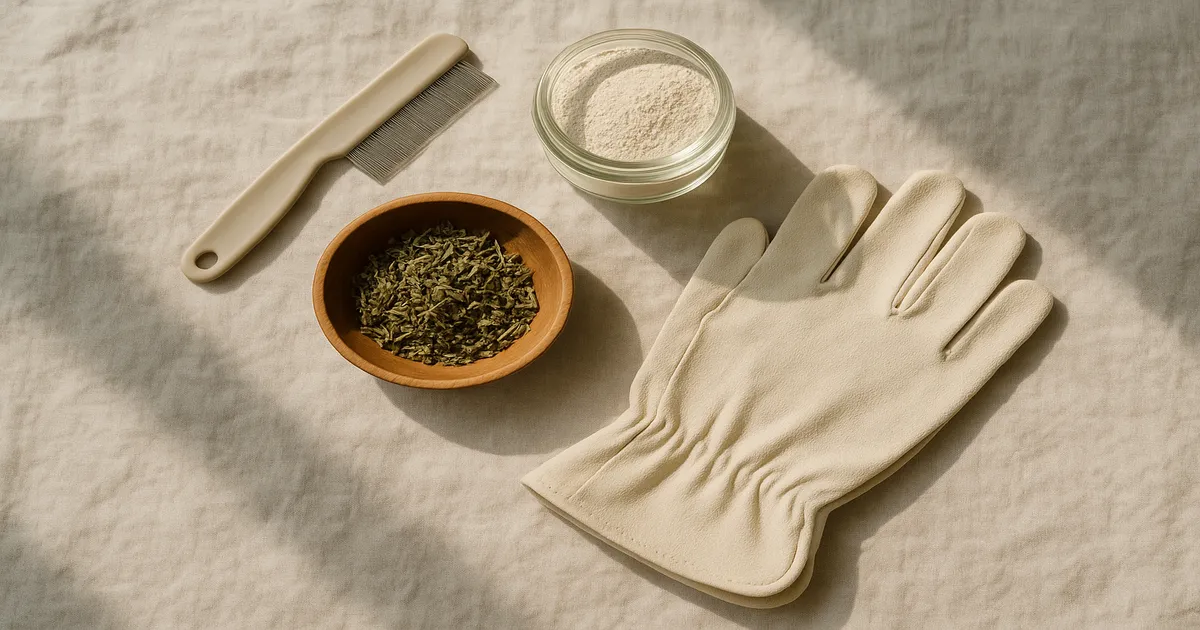
Grab a fine-toothed flea comb — look for one with 32 teeth per inch, such as the Safari Cat Flea Comb. Comb through your cat’s fur over a white surface, paying extra attention to the neck and tail base. Dip the comb into soapy water between strokes to trap and drown any live fleas.
The Flea Dirt Confirmation Test
Found dark specks but not sure what they are? Place them on a damp white paper towel. If they dissolve into a reddish smear, that’s digested blood — flea dirt confirmed. No further guessing needed.
How to Deter Fleas from Biting Your Cat: Treatments That Work
Fast-Acting Options for Immediate Relief
When your cat is actively being bitten, nitenpyram (Capstar) is your best immediate option. It starts killing adult fleas within 30 minutes, though it only lasts 24–48 hours — think of it as emergency intervention, not a long-term fix. For longer-lasting oral protection, spinosad (Comfortis) covers a full month, and fluralaner (Bravecto chews) extends that to 12 weeks.
Topical Spot-On Treatments
Topicals are the most widely used category, with solid options at every price point:
- Imidacloprid (Advantage II) kills fleas on contact — no bite required — making it especially effective at stopping active biting quickly. Applied monthly.
- Fipronil + (S)-methoprene (Frontline Plus) kills adults and uses an insect growth regulator (IGR) to disrupt egg and larval development. Monthly application.
- Selamectin (Revolution Plus) covers adult fleas, eggs, larvae, ear mites, and heartworm in one monthly application — a strong all-rounder.
- Fluralaner (Bravecto topical) lasts a full 12 weeks per application, ideal for owners who find monthly dosing easy to miss.
Flea Collars: What Works and What to Skip
Not all flea collars are created equal. The Seresto collar is the veterinarian-recommended option — it releases imidacloprid and flumethrin continuously for up to 8 months and includes a breakaway safety mechanism. Avoid older, cheap collars containing organophosphates; they offer minimal efficacy and carry real toxicity risks.
Natural Flea Deterrents: What the Evidence Actually Shows
There’s a lot of noise online about natural remedies. Here’s an honest breakdown:
| Method | Evidence Level | Notes |
|---|---|---|
| Diatomaceous earth (food-grade) | Moderate | Environmental use only — never apply to your cat’s coat or where cats may inhale it |
| Frequent vacuuming | Strong | Removes up to 96% of flea eggs from carpets |
| Cedar chips | Weak | Mild repellent effect; not a standalone solution |
| Apple cider vinegar | Weak | No peer-reviewed evidence of flea killing; may irritate skin |
| Essential oils (tea tree, eucalyptus) | Not recommended | Many are acutely toxic to cats |
| Brewer’s yeast / garlic | Weak to none | No reliable clinical evidence; garlic is toxic to cats |
⚠️ Critical Safety Warning: Never use permethrin- or pyrethrin-based flea products labeled for dogs on a cat. These are acutely toxic and can cause tremors, seizures, and death — even from brief skin contact or from grooming a treated dog. Always verify “cat-safe” labeling before applying anything.
Treating Your Home: The 95% You Can’t See
Treating only your cat while ignoring your home will result in reinfestation within days. This step is non-negotiable.
Vacuum aggressively — daily during an active infestation. Focus on carpet edges, baseboards, under furniture, cat bedding, and hardwood floor cracks. Empty or dispose of the vacuum bag immediately after each session, since fleas can survive inside it.
Wash all bedding — yours and your cat’s — in hot water (130°F/54°C or higher) every week during an infestation. Steam cleaning carpets and upholstery is also highly effective, as the heat kills all life stages.
For chemical treatment, choose a household spray that contains both an adulticide and an IGR (methoprene or pyriproxyfen), such as Virbac Knockout Area Treatment Spray. IGRs mimic juvenile hormones and prevent larvae from maturing into biting adults — and they remain active in your home for up to 7 months.
Outdoors, fleas favor shaded, moist areas — under decks, along fence lines, in garden beds. Apply a yard spray containing bifenthrin to these zones, keeping cats off treated areas until fully dry. Beneficial nematodes (Steinernema carpocapsae) are a smart biological alternative — microscopic roundworms that prey on flea larvae in soil, safe for pets, humans, and plants. Keep grass mowed short and discourage wildlife like raccoons and feral cats, which can reintroduce fleas continuously.
Finally, treat every pet in your household at the same time — even the ones that aren’t scratching. An untreated dog or second cat is a living flea refuge that will undo everything else you’ve done.
Health Risks of Flea Bites
Flea allergy dermatitis (FAD) is the most common skin disease in cats. It’s caused by a hypersensitivity reaction to proteins in flea saliva. In sensitized cats, a single bite can trigger intense itching, miliary dermatitis (tiny scabs across the skin), and significant hair loss. Treatment requires strict flea elimination plus corticosteroids or oclacitinib for itch management — but none of it works if the fleas keep coming.
Flea-induced anemia is a life-threatening risk for kittens, senior cats, and immunocompromised individuals. Signs include lethargy, pale or white gums, rapid breathing, and weakness. This is a veterinary emergency — some kittens require iron supplementation or a blood transfusion to survive.
Tapeworm transmission occurs when cats swallow fleas during grooming. Those fleas can carry Dipylidium caninum larvae, leading to tapeworm infection. Fleas also transmit Bartonella henselae — the bacterium behind cat scratch disease — between cats via flea dirt. Cats typically show no symptoms but can pass it to humans, particularly those who are immunocompromised.
Special Considerations: Kittens, Seniors, and Pregnant Cats
Most commercial flea products are not approved for kittens under 8 weeks old — always check the label. For very young kittens, safe options include manual flea combing, a careful Dawn dish soap bath (which kills fleas on contact but provides no residual protection — dry the kitten immediately to prevent hypothermia), and nitenpyram (Capstar), which is safe for kittens 4 weeks and older weighing at least 2 lbs.
Older cats often groom less efficiently, making infestations harder to detect and faster to escalate. Kidney or liver changes common in senior cats can also affect how they metabolize certain flea products — always check with your vet before switching preventatives.
For pregnant or nursing queens, selamectin (Revolution) and imidacloprid (Advantage II) are generally considered the safer options, but still require veterinary guidance. Avoid fipronil-based products unless your vet specifically directs otherwise.
And yes — indoor-only cats still need flea prevention. Fleas enter homes on human clothing and shoes, through window gaps, on other pets, and in second-hand furniture. The AVMA and the American Association of Feline Practitioners (AAFP) both recommend year-round prevention for all cats.
Long-Term Flea Prevention: Keeping Bites from Coming Back
Veterinary parasitologists recommend a three-pronged strategy: treat the cat consistently, treat the environment simultaneously, and maintain year-round prevention. No single step works in isolation. The pupal stage alone — dormant for months and immune to most sprays — guarantees reinfestation if you stop too early.
Flea Prevention Maintenance Schedule
| Task | Frequency |
|---|---|
| Apply vet-recommended flea prevention | Monthly (or per product label) |
| Flea comb inspection | Weekly |
| Wash cat bedding in hot water | Weekly during infestation; monthly for maintenance |
| Vacuum carpets, furniture, and baseboards | 2–3× per week during infestation; weekly for maintenance |
| Monitor for scratching or flea dirt | Daily |
| Veterinary wellness exam | Every 6–12 months |
Quick Product Comparison
| Product | Speed of Action | Duration | Kills Eggs/Larvae | Kitten Safe Age | Rx Required |
|---|---|---|---|---|---|
| Nitenpyram (Capstar) | 30 min | 24–48 hrs | No | 4+ weeks, 2+ lbs | No |
| Imidacloprid (Advantage II) | 12 hrs | 30 days | Yes (IGR) | 8+ weeks | No |
| Fipronil + methoprene (Frontline Plus) | 12–24 hrs | 30 days | Yes (IGR) | 8+ weeks | No |
| Selamectin (Revolution) | 24–36 hrs | 30 days | Yes | 8+ weeks | Yes |
| Fluralaner (Bravecto topical) | 12 hrs | 12 weeks | Yes | 6+ months | Yes |
| Seresto Collar | 24 hrs | 8 months | Yes | 10+ weeks | No |
When to Call Your Vet
Contact your vet immediately if you notice:
- A kitten with pale gums, weakness, or lethargy
- Open wounds or severe skin infection from scratching
- A suspected allergic reaction to a flea product
- An infestation not responding to OTC treatment after 2–3 weeks
- Any neurological signs — tremors, seizures, or loss of coordination — after applying a flea product
Frequently Asked Questions
How do I deter fleas from biting my cat immediately?
Nitenpyram (Capstar) is the fastest option — it starts killing adult fleas within 30 minutes and is available over the counter. It’s safe for cats 4 weeks and older weighing at least 2 lbs. Because it only lasts 24–48 hours, follow up with a longer-acting monthly preventative right away.
Can indoor cats get fleas even if they never go outside?
Yes. Fleas hitchhike indoors on clothing, shoes, and bags, through window screens, and on any other pets that do go outside. Second-hand furniture can also harbor dormant flea pupae. The AVMA recommends year-round prevention for indoor cats for exactly this reason.
Are there natural flea repellents that are safe for cats?
Very few, and none match the effectiveness of veterinary products. Food-grade diatomaceous earth can help in the environment (not on your cat’s coat), and frequent vacuuming has strong evidence behind it. Essential oils — including tea tree, eucalyptus, and lavender — should be avoided entirely, as many are toxic to cats. Garlic is also toxic and should never be used.
How do I know if my cat has fleas or just dry skin?
The flea dirt test is your best tool. Collect some dark specks from your cat’s coat and place them on a damp white paper towel. If they dissolve into a reddish-brown smear, that’s digested blood — fleas confirmed. Dry skin flakes stay white or gray and don’t bleed color. Scratching concentrated at the tail base and neck, combined with restlessness, also points strongly toward fleas rather than dry skin.
Is it ever safe to use dog flea treatment on a cat?
No — and this is genuinely life-threatening, not just a precaution. Permethrin- and pyrethrin-based products designed for dogs are acutely toxic to cats and can cause tremors, seizures, and death, even from brief skin contact or from a cat grooming a recently treated dog. In an emergency, use a fine-toothed flea comb and soapy water, and contact your vet or an emergency animal poison control line immediately.