Quick Answer: To stop one cat from eating the other’s food, switch from free feeding to scheduled meals with a strict 20–30 minute window, feed cats in separate locations (or separate rooms for prescription diets), and consider a microchip-activated feeder if physical separation isn’t practical. Most cats adjust within 5–14 days, and combining two or three of these strategies works far better than any single fix alone.
If you share your home with two or more cats, you’ve almost certainly watched one of them casually bulldoze the other out of the way at dinnertime. How to keep your first cat from eating your other cat’s food is one of the most common challenges in multi-cat households — and with good reason. About 31% of U.S. cat-owning households have two or more cats, and food-related conflict consistently ranks among the top behavioral complaints. The good news: this is entirely solvable, and you don’t need expensive gadgets to do it.
Why Cats Steal Each Other’s Food
They’re Hardwired to Compete for Resources
Domestic cats (Felis catus) descend from the African wildcat (Felis silvestris lybica), a solitary hunter with no instinct for food sharing. Unlike dogs, who evolved alongside pack dynamics, cats are opportunistic eaters — hardwired to eat whenever food is available, because the next meal was never guaranteed. Domestication softened many feline behaviors, but not this one.
Even in a stable, well-fed household, cats may guard or steal food due to perceived scarcity. The bowl across the room might as well be prey on a competitor’s territory.
Social Hierarchy, Speed, and Medical Triggers
Every multi-cat household has a social hierarchy, even if it’s invisible to you. The dominant cat doesn’t need to growl or swipe — simply walking toward another cat’s bowl is enough to send a timid cat retreating. From the outside, it can look like one cat “just isn’t hungry.”
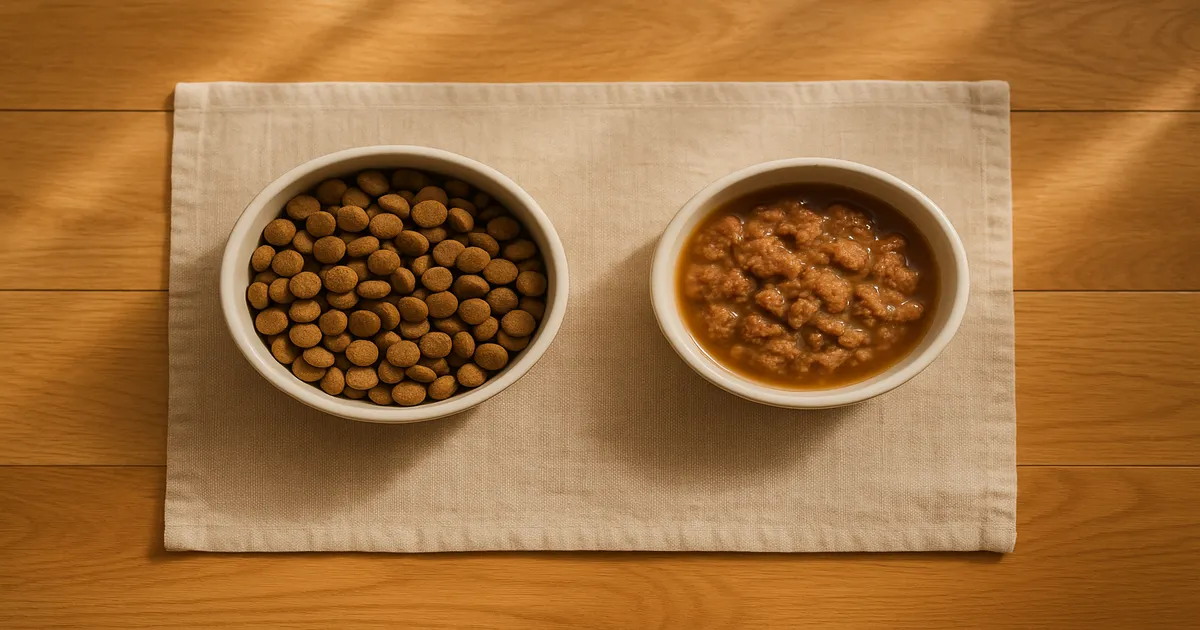
Speed differences compound the problem. Fast eaters finish their bowl and immediately investigate what’s left in their housemate’s. Palatability plays a role too: if one cat’s food has a higher fat content, or is wet versus dry, the other cat will be drawn to it regardless of whether they’re actually hungry.
If a cat who was previously polite at mealtimes suddenly starts raiding every bowl in sight, that’s a red flag worth taking seriously. Hyperthyroidism, diabetes, intestinal parasites, and exocrine pancreatic insufficiency can all dramatically increase appetite. Don’t assume it’s a behavioral problem until you’ve ruled out a medical one — a vet visit with bloodwork is the right first step.
The Real Health Risks of Letting Food Stealing Go Unchecked
For the Cat Who Overeats
Chronic overeating has serious consequences. About 59.5% of U.S. cats are already overweight or obese, according to the Association for Pet Obesity Prevention, and obese cats are 2–4 times more likely to develop feline diabetes. Eating another cat’s food can also alter urinary pH, raising the risk of struvite crystals, calcium oxalate stones, or feline idiopathic cystitis (FIC). A cat regularly eating food formulated for a different life stage — say, kitten food meant for a housemate — accumulates excess minerals and calories faster than most owners realize.
For the Cat Being Stolen From
The cat losing food faces equal danger. Consistent underfeeding leads to weight loss, muscle wasting, and immune suppression. More urgently, cats who eat less than 50% of their caloric needs for even 2–3 days are at risk of hepatic lipidosis (fatty liver disease) — a life-threatening condition that develops with alarming speed, especially in overweight cats who suddenly lose access to adequate food.
When a Prescription Diet Is Involved
If any cat in your household is on a therapeutic diet, food stealing becomes a genuine medical emergency. Renal diets restrict phosphorus and protein for a reason. Iodine-restricted diets (such as Hill’s y/d for hyperthyroidism) are completely undermined by even small amounts of regular cat food. Hydrolyzed protein diets for food allergies lose their efficacy the moment another protein source enters the picture. For prescription diet households, physical separation isn’t optional — it’s non-negotiable.
Why Each Cat May Need Different Food
Life Stage Nutritional Differences
| Life Stage | Age | Key Nutritional Needs |
|---|---|---|
| Kitten | 0–12 months | Higher protein (≥30% DM), higher fat, DHA for brain development; 3–4 meals/day |
| Adult | 1–7 years | Balanced maintenance; protein ≥26% DM; controlled calories |
| Senior | 7–10 years | Increased protein to combat muscle loss; joint support; kidney monitoring |
| Geriatric | 10+ years | Often needs prescription or highly digestible food; dental-friendly options |
DM = Dry Matter basis
Feeding kitten food to an adult cat long-term causes obesity and excess mineral intake. Feeding adult food to a kitten is nutritionally inadequate for growth. Look for the AAFCO nutritional adequacy statement on every bag or can: “complete and balanced for [life stage].” A food labeled “all life stages” is formulated to kitten standards and is often too calorie-dense for adult or senior cats.
Quick Calorie Reference by Weight
| Cat Weight | Inactive Adult (kcal/day) | Active Adult (kcal/day) |
|---|---|---|
| 6 lbs (2.7 kg) | 130–160 | 160–200 |
| 8 lbs (3.6 kg) | 160–200 | 200–250 |
| 10 lbs (4.5 kg) | 190–240 | 240–300 |
| 12 lbs (5.4 kg) | 220–280 | 280–350 |
| 15 lbs (6.8 kg) | 260–330 | 330–410 |
Always get individualized recommendations from your vet.
6 Proven Strategies to Keep Your First Cat from Eating Your Other Cat’s Food
Strategy 1: Switch to Scheduled Meal Feeding
Free feeding — leaving food available all day — is the single biggest enabler of food stealing. When food is always out, there’s no way to supervise who’s eating what. The fix is straightforward: transition to 2–3 scheduled meals per day at consistent times, and pick up all bowls after 20–30 minutes, whether or not they’re empty.
Most cats adapt within 5–14 days. The first few days can feel rough — expect some vocal complaints between meals — but stay the course. Scheduled feeding also gives you an accurate picture of how much each cat is actually eating, which is valuable health information in its own right.
Strategy 2: Physical Separation
Feeding cats in separate rooms with the door closed is the gold standard, especially for prescription diet households. It requires zero technology and is completely reliable.
If closing doors isn’t practical, try these alternatives:
- Baby gates with small cat doors — sized for the thinner or smaller cat so the food thief can’t fit through. The Cardinal Gates Stairway Special is a popular option that works well when there’s a meaningful size difference between cats.
- Feeding in carriers — each cat eats in their own carrier with the door closed. This doubles as positive carrier conditioning, which makes vet trips easier over time.
- Elevated feeding stations — place one cat’s bowl on a cat tree platform or a dedicated shelf the other cat can’t reach. This works especially well when one cat is elderly or arthritic and can’t jump.
Strategy 3: Microchip-Activated Feeders
Microchip feeders open only when they detect the RFID signal from a specific cat’s microchip or a paired collar tag. The bowl stays closed to every other animal in the house. When properly introduced, they essentially eliminate food stealing without requiring physical room separation.
Top options:
- SureFlap SureFeed Microchip Pet Feeder — the most widely recommended model; works with existing ISO-standard microchips or included RFID collar tags; approximately $150–$180 USD
- Closer Pets MiBowl — a solid budget option at approximately $60–$80 USD
One important caveat: some cats are initially intimidated by the motorized lid. Leave the lid fully open for several days so the cat gets comfortable eating from it, then slowly introduce the closing mechanism. Rushing this step is the most common reason these feeders appear not to work.
Strategy 4: Slow Feeders and Puzzle Feeders
If one cat inhales their food in 90 seconds and then moves to the other bowl, a slow feeder buys the slower cat crucial time. Slow feeder bowls can reduce eating speed by 30–50%, which is often enough to close the gap.
- For the fast eater: a lick mat like the LickiMat Casper spreads wet food thin and dramatically slows consumption.
- For the food-motivated thief: a puzzle feeder keeps them occupied. Doc & Phoebe’s Indoor Hunting Feeder hides food in multiple locations around the house, mimicking natural hunting behavior and extending the eating process significantly.
- Scatter feeding — spreading dry kibble across a snuffle mat or clean floor area — slows eating and adds mental stimulation at the same time.
Strategy 5: Smart Feeding Locations and Timing
Location matters more than most people realize. Place feeding stations at least 1.5 body lengths apart — roughly 3–4 feet minimum — so cats can’t see each other eating directly. Even a simple cardboard divider between bowls can reduce competitive behavior.
Feed the timid or slower cat 5–10 minutes before the food-motivated cat. This head start can make the difference between a cat finishing their meal and abandoning it halfway through. Feeding at different vertical levels — one cat on the floor, one on a cat tree platform — also helps, since cats feel more secure eating without a direct line of sight to a competitor.
Strategy 6: Pre-Meal Play to Reduce Food Fixation
A cat who has just “hunted” is a cat who’s ready to eat calmly — not one who’s laser-focused on raiding another cat’s bowl. Spend 10–15 minutes doing interactive wand toy play before each feeding session. This mimics the natural hunt → catch → eat → groom → sleep sequence, and cats fed after a play session show measurably reduced inter-cat food competition.
Use a wand toy like the Da Bird feather wand and engage each cat separately if possible. The goal is to tire out the food-motivated cat before the bowls go down — a calm, satisfied cat is a much less aggressive mealtime competitor.
Feeding Station Setup for Multi-Cat Homes
Bowls, Hygiene, and Water Stations
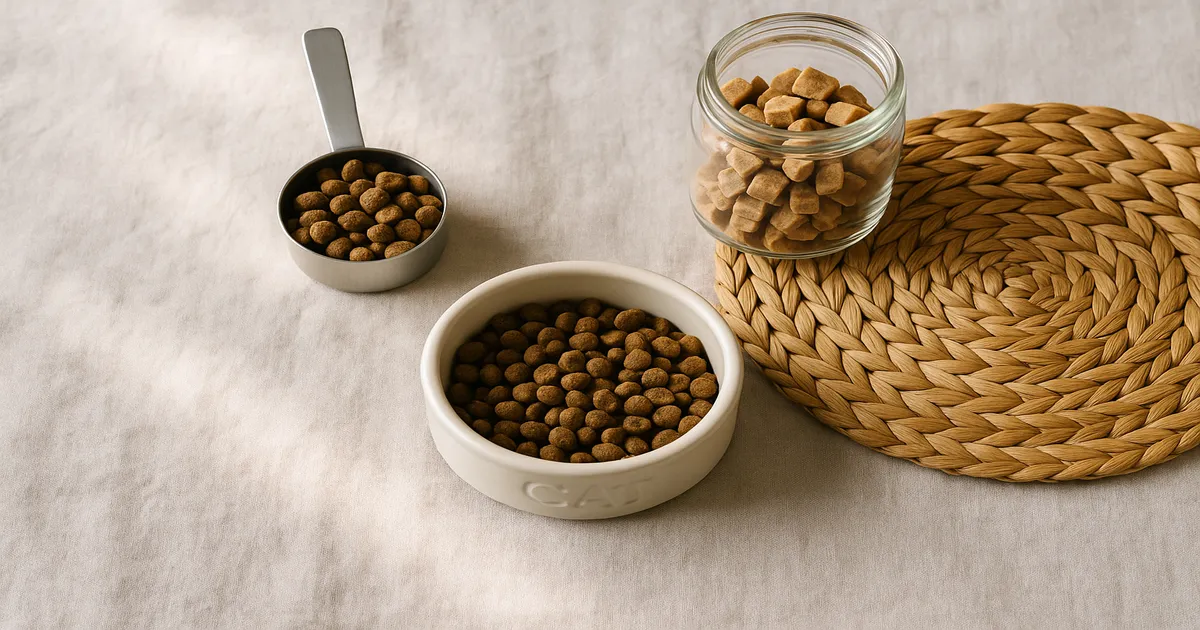
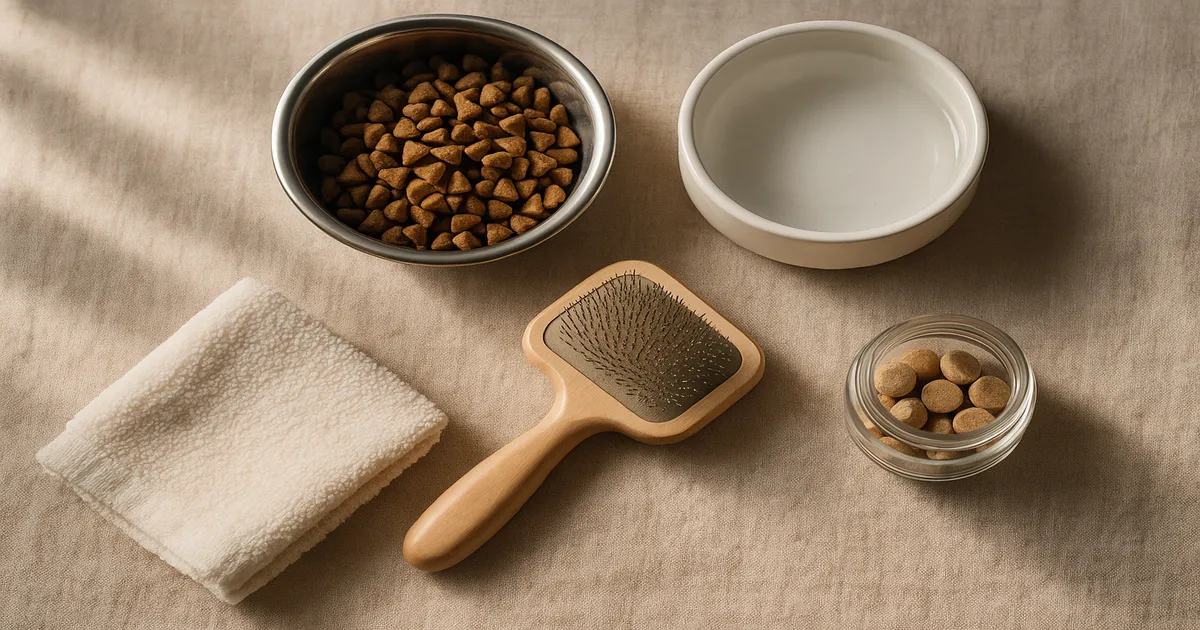
Use wide, shallow bowls with a minimum 6-inch (15 cm) diameter in stainless steel or ceramic. Both materials are easy to sanitize and odor-resistant. Avoid plastic: it develops micro-scratches over time that trap food odors and bacteria, which can draw cats to each other’s stations by scent alone.
Wash all food bowls with hot water and mild dish soap after every meal. Residual food odors are a surprisingly powerful attractant — a bowl that smells like salmon will draw in any passing cat regardless of whose bowl it is.
For water, apply the N+1 rule: one water source per cat, plus one extra. Two cats need three water stations. Place them away from food bowls — cats instinctively prefer not to drink near their food source, and competition at water bowls creates the same stress dynamics as food competition.
Frequently Asked Questions
Is it okay if my cat occasionally eats the other cat’s food?
For healthy adult cats on similar diets, the occasional swap is low-risk. A bite or two of the other cat’s food once in a while won’t cause harm. It becomes a real problem when it happens consistently, when the cats are on different life-stage foods, or when either cat is on a prescription diet — in those cases, even small amounts of the wrong food can have meaningful health consequences.
How long does it take cats to adjust to scheduled meal feeding?
Most cats adapt within 5–14 days. The first few days can feel rough — expect some vocal complaints between meals. Feeding at consistent times each day speeds up the adjustment, since cats have strong internal clocks and quickly learn when food is coming. If a cat is still showing signs of distress after two weeks, consult your vet to rule out underlying conditions driving the hunger.
Do microchip cat feeders really work, and are they worth the cost?
Yes — when properly introduced, they’re highly effective and essentially eliminate food stealing without requiring physical separation. The SureFlap SureFeed Microchip Pet Feeder is the most reliable option on the market. The investment ($60–$180 depending on the model) pays for itself quickly when you consider the vet bills that can result from chronic overeating or underfeeding. The key is taking time to desensitize your cat to the motorized lid before expecting them to use it comfortably.
My cat is on a prescription diet — how do I stop the other cat from eating it?
Physical separation is the only truly reliable solution. Feed the cat on the prescription diet in a separate room with the door closed for the full duration of the meal, then pick up any leftovers immediately. A microchip feeder can work as a backup layer, but for therapeutic diets — especially renal, iodine-restricted, or hydrolyzed protein foods — don’t rely on technology alone. Even small amounts of the wrong food can undermine treatment. Talk to your vet about a feeding schedule that fits your household routine.
What if my cats eat at different speeds and I can’t stay to supervise every meal?
This is where microchip feeders or separate rooms earn their keep. If you genuinely can’t supervise, a microchip feeder for the slower cat is the most practical hands-off solution. Alternatively, feed the slower cat in a carrier or a room with a baby gate the faster cat can’t pass through, then let them out once the faster cat has finished and the bowls are cleared. Consistency matters more than the specific method you choose.