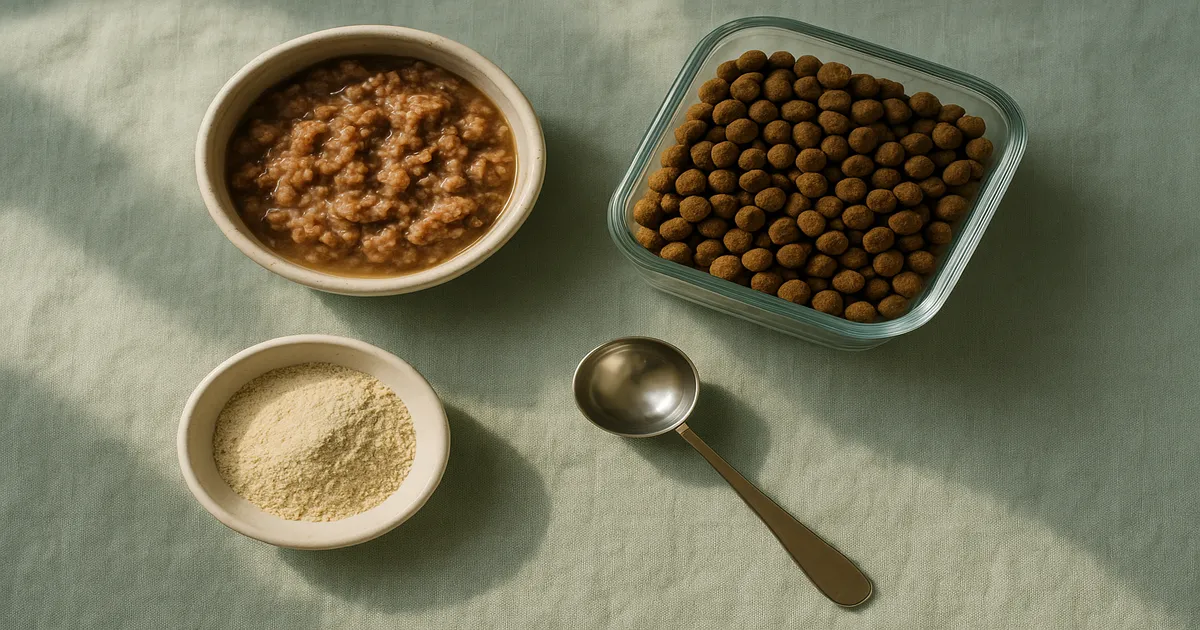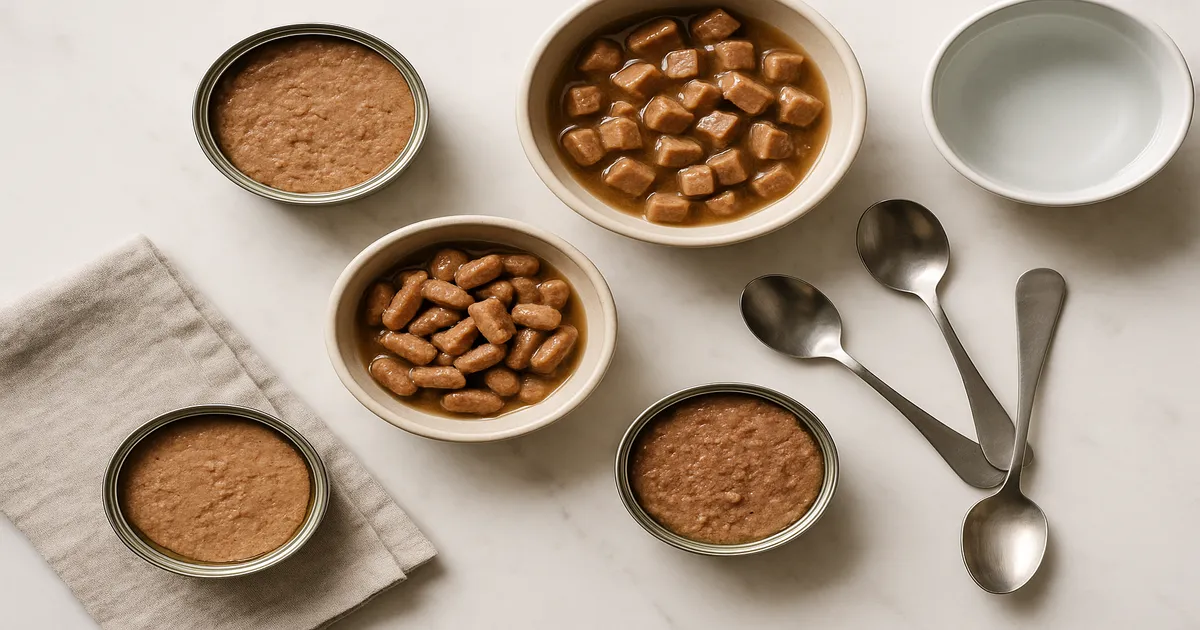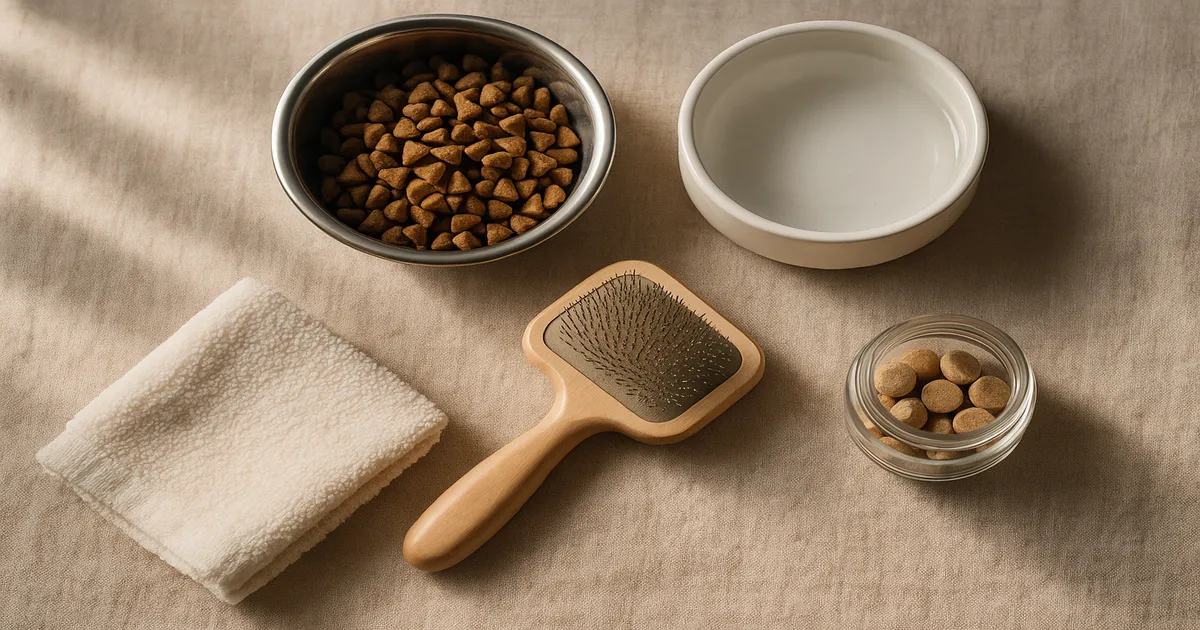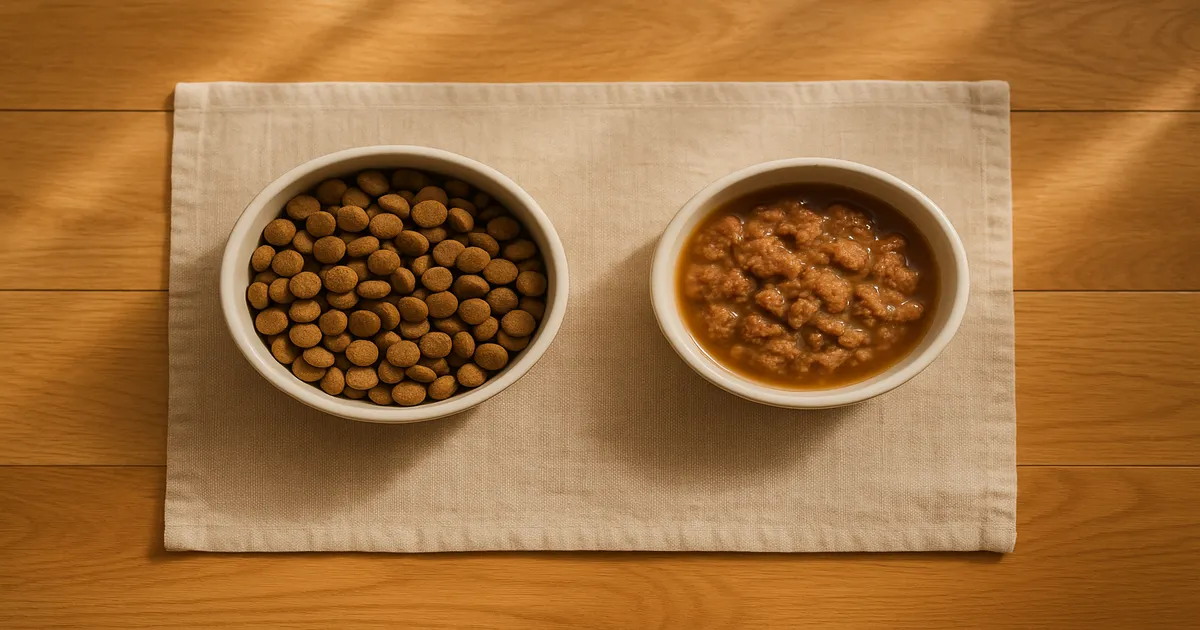
Quick Answer: Most healthy adult cats should eat wet food twice daily — morning and evening — alongside a measured portion of dry food. This combination supports urinary tract health, mirrors feline biology, and reduces the risks of a dry-food-only diet. Exact portions depend on your cat’s age, weight, and activity level.
Figuring out how often kitty should be fed wet food when combined with dry is one of the most common questions cat owners ask. The short answer is twice a day for most adults — but life stage, breed, and health status all shift that number. Here’s everything you need to know to get it right.
How Often Should You Feed Wet Food With Dry? The Veterinary Consensus
The American Association of Feline Practitioners (AAFP) and most veterinary nutritionists agree: wet food should be offered at least once daily, and ideally twice, while dry food plays a supporting role as a measured supplement — not the main event.
| Life Stage | Age | Wet Food Frequency | Dry Food Role |
|---|---|---|---|
| Kitten | Under 12 months | 3–4× daily | Measured supplement or free-choice |
| Adult | 1–7 years | 2× daily | Measured once or twice daily |
| Senior | 7–11 years | 2–3× daily | Reduced; prioritise wet |
| Geriatric | 11+ years | 3–4× daily (small meals) | Optional only |
Why Wet Food Frequency Matters
Cats have a low thirst drive — they evolved to get most of their moisture from prey, not a water bowl. A cat eating only dry kibble is chronically under-hydrated even when fresh water is always available. That low-grade dehydration quietly strains the kidneys and urinary tract for years before problems become visible.
Standard dry kibble contains 30–50% carbohydrates — a macronutrient cats have almost no metabolic pathway to handle efficiently. Quality wet food sits at just 3–8% carbohydrates, far closer to what a hunting cat would actually consume. This difference underpins nearly every health argument for prioritising wet food.
Wet and Dry Food Feeding Schedules by Life Stage
Kittens Under 12 Months: 3–4 Wet Meals Daily
Kittens have tiny stomachs and enormous energy demands — they need roughly 60–65 calories per pound (132–143 cal/kg) of body weight daily. Three to four wet food meals spread through the day keeps blood sugar stable and supports rapid muscle and organ development.
Example daily plan for a 4 lb (1.8 kg) kitten:
- 2 × 3 oz (85 g) cans of wet food ≈ 160–180 calories
- ¼ cup dry kitten kibble ≈ 100 calories
- Total: ~260–280 calories ✓
Introduce wet food from weaning. Kittens raised exclusively on dry food often reject wet food as adults — a texture preference that can have real health consequences later.
Adult Cats (1–7 Years): The Twice-Daily Standard
For healthy adult cats, twice-daily wet food — morning and evening — is the sweet spot. It aligns with cats’ natural crepuscular activity peaks and ensures consistent hydration throughout the day. Dry food, if included, should be a measured portion, not left out all day for grazing.
Example daily plan for a 10 lb (4.5 kg) moderately active adult:
- 2 × 3 oz (85 g) cans of wet food ≈ 160–180 calories
- ⅛–¼ cup dry food ≈ 50–100 calories
- Total: ~210–280 calories ✓
Always calculate calories from both sources combined. It’s easy to accidentally double-feed when mixing formats.
Senior Cats (7–11 Years): Prioritising Wet Food for Kidney Health
From age seven onward, wet food stops being a preference and starts being a medical priority. Kidney function naturally declines with age, and moisture intake directly reduces the workload on aging kidneys. Senior cats are also prone to sarcopenia (muscle wasting), so protein needs actually increase even as overall caloric needs may drop by 20–25%.
Aim for two to three wet food meals daily for seniors, and begin pulling back on dry food. If your senior cat has already been diagnosed with kidney disease, wet food should be the primary source of nutrition.
Geriatric Cats (11+ Years): Wet Food as the Primary Diet
By age 11, most cats do best on three to four small wet food meals daily. Dental disease, decreased digestive efficiency, and conditions like hyperthyroidism or chronic kidney disease (CKD) make wet food both easier to eat and medically essential. Dry food is optional at this stage — include it only if dental brushing isn’t possible and a dental component is genuinely needed.
How Often Should Kitty Be Fed Wet Food? Calculating the Right Ratio
Calorie Counts for Wet vs. Dry Food
Wet and dry food look very different by volume, but what matters is calories:
- 3 oz (85 g) can of wet food ≈ 70–90 calories
- 5.5 oz (156 g) can of wet food ≈ 150–200 calories
- ¼ cup of standard dry kibble ≈ 100–120 calories
Always check the specific brand’s label — calorie density varies significantly between products.
Building a Balanced Mixed Feeding Plan
- Find your cat’s daily calorie target. A sedentary indoor cat needs roughly 20 calories per pound (44 cal/kg); an active cat needs 25–30 calories per pound (55–66 cal/kg).
- Decide your wet-to-dry split. A common starting point is 70–80% of calories from wet food, 20–30% from dry.
- Calculate wet food portion. For a 10 lb (4.5 kg) sedentary cat needing 200 cal/day: 140–160 cal from wet food ≈ two 3 oz cans.
- Fill the remainder with dry food. 40–60 cal ≈ roughly ⅛ cup of kibble.
- Weigh food initially rather than eyeballing — measuring cups are notoriously inaccurate for calorie control.
Use the feeding guidelines on packaging as a starting point only. They’re often set higher than necessary.
Indoor-only cats burn fewer calories and gain weight easily. Outdoor or highly active cats — especially Bengals, Abyssinians, and young adults — may need a third wet meal to maintain a healthy body condition.
Health Reasons to Feed Wet Food Alongside Dry
Urinary Tract Health
Feline Lower Urinary Tract Disease (FLUTD) is the leading reason cats visit the vet. Cats on dry-food-only diets produce highly concentrated urine, which raises the risk of crystals, blockages, and idiopathic cystitis. Research published in the Journal of Feline Medicine and Surgery found that cats eating wet food produce significantly more dilute urine — far less likely to form crystals. Even one wet meal per day produces a measurable improvement in hydration.
Chronic Kidney Disease
CKD affects an estimated 30–40% of cats over age 10 and up to 80% of cats over 15. There is no cure, but moisture intake is one of the most powerful tools for slowing progression. The International Renal Interest Society (IRIS) recommends wet food as the primary or sole food source from Stage 2 CKD onward.
Weight and Blood Sugar
Around 60% of U.S. cats are overweight or obese. Dry kibble’s high carbohydrate content promotes insulin resistance and weight gain in a species with essentially no dietary need for carbohydrates. Switching to a predominantly wet food diet has helped many diabetic cats achieve full diabetic remission without insulin — though any dietary change for a diabetic cat must be made under veterinary supervision.
Coat and Skin Condition
Cats on adequate wet food diets consistently show better coat shine, less shedding, and reduced skin flaking — the direct result of improved hydration and the higher omega fatty acid content found in quality fish-based wet foods. If your cat’s coat looks dull and they’re on dry food only, adding wet meals is often the fastest fix. A fish oil supplement can further support skin and coat health. (Zesty Paws Salmon Oil)
Breed-Specific Feeding Considerations
The twice-daily wet food guideline applies broadly, but breed traits affect how much, how often, and even how food is served.
| Breed | Key Trait | Feeding Adjustment |
|---|---|---|
| Maine Coon, Ragdoll, Norwegian Forest Cat | Large, slow-maturing (up to 4–5 years) | Bigger wet portions; don’t restrict calories too early |
| British Shorthair, Domestic Shorthair | Obesity-prone, less active | Strict calorie control; no free-choice dry food |
| Bengal, Abyssinian, Siamese | High-energy, active | Consider a third wet meal; higher daily calorie target |
| Persian, Exotic Shorthair | Brachycephalic (flat face) | Use flat, wide dishes for comfortable eating |
Large breeds like the Maine Coon mature slowly and may need kitten-level feeding until 18 months — check with your vet before switching to adult guidelines. Obesity-prone breeds like the British Shorthair are champion grazers and will eat past satiety if dry food is left out freely; scheduled meals are non-negotiable. Active breeds like the Bengal genuinely need more calories, so watch body condition closely and increase wet food portions before reaching for more dry kibble. Flat-faced breeds like the Persian do best with a wide, shallow dish or flat plate that lets them eat comfortably without straining their jaw.
Transitioning to a Mixed Feeding Routine
Introducing Wet Food to a Dry-Food-Only Cat
Don’t swap foods overnight — cats resist sudden dietary changes far more than dogs do. A 7–14 day gradual transition works best:
- Days 1–3: Offer a small amount of wet food alongside the regular dry food, but don’t mix them yet.
- Days 4–7: Begin mixing a small spoonful of wet food into the dry portion.
- Days 8–11: Shift to mostly wet food with a smaller dry component.
- Days 12–14: Serve wet food as the primary meal with dry food as the supplement.
Managing Texture Preferences and Food Refusal
Cats raised entirely on dry food sometimes reject wet food on texture alone. A few strategies that help:
- Warm the wet food slightly (to about body temperature) to enhance aroma
- Start with a wet food topper — a tablespoon mixed into kibble is less alarming than a full new meal
- Experiment with textures — some cats prefer pâté, others like shredded or chunked varieties
- Try a different protein if one is rejected; chicken or tuna often wins over reluctant cats
Multi-Cat Households
In homes with multiple cats, competition and food guarding can stress subordinate cats out of eating. Separate feeding stations — ideally in different rooms — reduce tension. Feed wet food simultaneously at each station so dominant cats can’t patrol between bowls. Collect uneaten wet food after 20–30 minutes to keep things hygienic.
Puzzle feeders work well with dry kibble and slow down fast eaters. (Doc & Phoebe’s Indoor Hunting Cat Feeder) Wet food pairs beautifully with lick mats — spreading a meal across a textured mat extends eating time and provides genuine mental stimulation. (LickiMat Casper) Both tools reduce stress-related overeating and are especially useful in multi-cat homes.
Dental Health: Managing the One Downside of Wet Food
70–80% of cats show signs of dental disease by age three, regardless of whether they eat wet or dry food. Dry kibble does provide minimal mechanical abrasion, but most cats swallow kibble whole rather than chewing it, so the dental benefit is modest at best.
The gold standard is tooth brushing two to three times per week using a cat-safe enzymatic toothpaste. Start by letting your cat lick the toothpaste off your finger, then gradually introduce the brush over several weeks — patience pays off here.
Beyond brushing:
- Schedule annual professional dental cleanings with your vet
- Offer VOHC-approved dental treats a few times per week as a supplement, not a replacement for brushing
- Consider a VOHC-approved dental water additive if brushing is truly impossible
The systemic health benefits of regular wet food — better kidney function, healthier urinary tract, reduced obesity risk — far outweigh the modest dental benefit of dry kibble alone.
Frequently Asked Questions
How much wet food should I give my cat alongside dry food each day?
For most adult cats, two 3 oz (85 g) cans of wet food per day covers roughly 160–180 calories, leaving room for a small measured portion of dry food to reach their daily calorie target. A 10 lb (4.5 kg) sedentary indoor cat needs about 200 calories total. Always calculate from both food sources combined, and adjust based on your cat’s body condition score rather than the feeding guide on the packaging alone.
Is it okay to feed wet food once a day and dry food the rest of the time?
Once-daily wet food is better than none and will meaningfully increase your cat’s hydration compared to a dry-only diet. That said, twice daily is the recommended standard for most healthy adults. If once a day is all your schedule allows, use a full 5.5 oz (156 g) can rather than a small topper, and keep dry food portions carefully measured to avoid overfeeding.
Can kittens eat both wet and dry food, and how often should each be given?
Yes — kittens do well on a combination. Offer wet food three to four times daily to meet their high caloric and developmental needs, with measured dry kitten kibble available between meals or offered two to three times daily. Introducing wet food early matters because kittens develop strong texture preferences before six months of age that can be difficult to reverse later.
Does feeding wet food with dry food help prevent urinary problems?
It does, significantly. Wet food dramatically increases total water intake, producing more dilute urine that is less likely to form struvite or calcium oxalate crystals, cause urethral blockages, or trigger idiopathic cystitis. Research in the Journal of Feline Medicine and Surgery confirms this benefit. Even adding one wet meal per day to a dry-food diet produces a measurable improvement in urinary health.
Should senior cats eat more wet food than younger cats?
Yes. From age seven onward, wet food becomes increasingly important for kidney protection, hydration, and maintaining muscle mass. Senior cats (7–11 years) should have wet food as the majority of their diet. Geriatric cats (11+) should eat wet food as their primary food source, with dry food playing only a minor supplemental role — or none at all if health conditions require it.