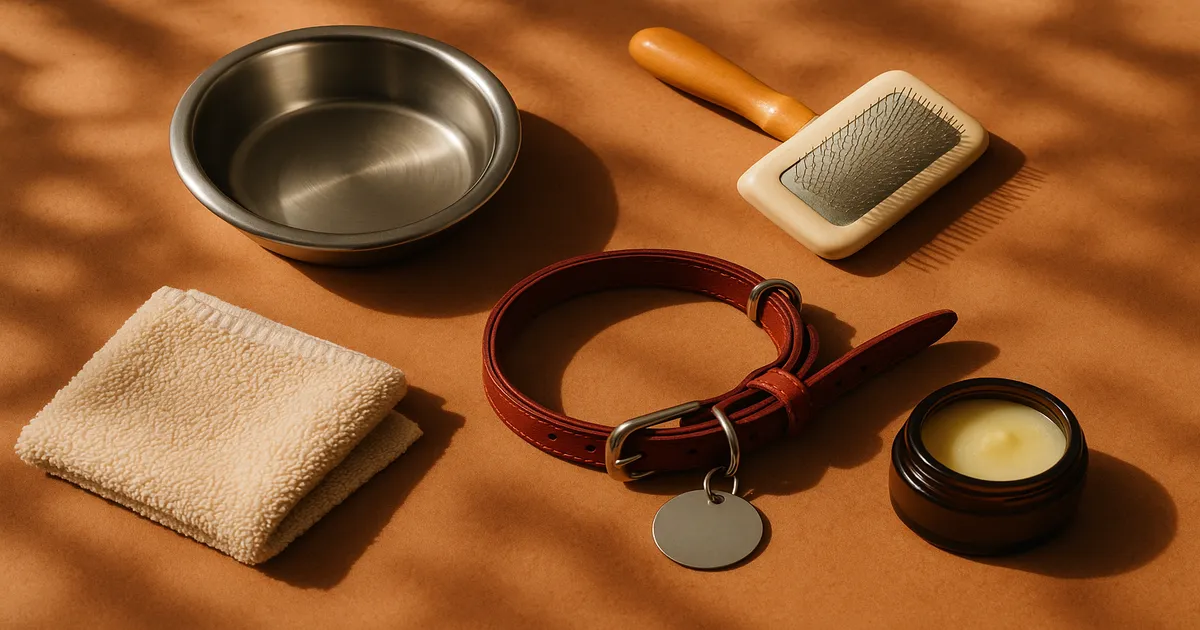
Quick Answer: Taking care of a bulldog means committing to daily skin fold cleaning, 20–40 minutes of moderate exercise (always in cool temperatures), and regular vet visits for a breed prone to breathing, joint, and skin issues. Bulldogs are affectionate, low-energy companions who thrive indoors with their people — but their health needs make them one of the more demanding breeds to own financially and practically.
Bulldog Care at a Glance
Key Care Requirements Summary
| Care Area | Requirement |
|---|---|
| Exercise | 20–40 min/day, two short sessions, below 75°F (24°C) |
| Brushing | 2–3 times per week |
| Bathing | Every 4–6 weeks |
| Skin fold cleaning | Daily |
| Nail trimming | Every 3–4 weeks |
| Trainability | Moderate — stubborn but food-motivated |
| Energy level | Low to moderate |
| Est. annual vet costs | $1,500–$5,000+ |
Is a Bulldog the Right Dog for You?
Bulldogs are a wonderful match if you want a calm, loyal, apartment-friendly companion who lives to be near you. They’re a poor fit if you travel frequently, can’t handle significant vet bills, or want a jogging partner.
Ask yourself honestly: Can you commit to daily wrinkle cleaning, budget for potential surgeries, and keep your home climate-controlled year-round? If yes, few breeds are as genuinely lovable as a Bulldog.
Understanding the Bulldog Breed
History and Origins
The Bulldog’s story is one of the most dramatic reinventions in dog breeding history. Originally developed in 13th-century England for bull-baiting — a brutal sport where dogs gripped and pinned tethered bulls — the breed was purpose-built for ferocity and pain tolerance. When bull-baiting was outlawed in 1835 under the Cruelty to Animals Act, the breed nearly disappeared entirely.
Dedicated enthusiasts stepped in and deliberately bred out the aggression while preserving the iconic physical look. Within a few decades, the Bulldog had been transformed into the gentle, affectionate companion we know today.
Physical Characteristics
The Bulldog’s distinctive appearance isn’t just aesthetic — it directly drives most of the breed’s care requirements. The flat face (brachycephalic skull), deep facial wrinkles, compact body, and screw tail all create specific health and grooming needs that owners must manage daily.
Adult Bulldogs typically stand 14–15 inches (36–38 cm) tall. Females weigh 40–50 lbs (18–23 kg); males generally reach 50–55 lbs (23–25 kg) — stocky, low-slung, and front-heavy.
Bulldog Variants: English, French, and American
The English Bulldog is the original breed and the focus of this guide. The French Bulldog is a separate breed — smaller, with upright bat ears, developed from English Bulldogs crossed with Parisian ratters in the 19th century. The American Bulldog is larger and more athletic, historically used for farm work in the American South; it is recognized by the UKC but not the AKC.
AKC Recognition and Popularity
The AKC officially recognized the Bulldog in 1886, placing it in the Non-Sporting Group. The Bulldog Club of America followed in 1890. Today the breed consistently ranks among the top 10 most popular dogs in the United States and serves as the official mascot for more than 40 U.S. universities.
Bulldog Temperament and Personality
Core Personality Traits
Don’t let the wrinkled scowl fool you. Modern Bulldogs are docile, affectionate, and genuinely funny — many owners describe their dogs as having a distinct sense of humor. The AKC breed standard calls for a disposition that is “equable and kind, resolute and courageous,” and that description holds up in daily life.
They’re loyal to a fault, often following their owners from room to room. Expect a dog who simply wants to be wherever you are.
Energy Level and Daily Behavior
Bulldogs are decidedly low-energy. Adults sleep 12–14 hours a day, and their active periods tend to come in short, enthusiastic bursts followed by long naps. This makes them excellent companions for calmer households, but it also means you’ll need to actively encourage the exercise they do need rather than waiting for them to demand it.
How Bulldogs Behave with Families, Kids, and Other Pets
Bulldogs are patient and predictable, which makes them excellent family dogs. Their calm, sturdy temperament holds up well around children, though supervision is always wise with any breed and young kids. They generally get along with other pets when properly socialized from puppyhood — intact males can occasionally show same-sex dog aggression, but this is the exception rather than the rule.
Stubbornness: What to Expect
Stubbornness is real with this breed. Bulldogs ranked 77th out of 138 breeds in Stanley Coren’s obedience intelligence rankings — but that score reflects their independent streak, not a lack of smarts. When a Bulldog decides it doesn’t want to do something, it simply won’t. Short sessions, high-value treats, and a sense of humor on your part go a long way.
How to Take Care of a Bulldog: Exercise and Mental Stimulation
How Much Exercise Does a Bulldog Need?
Adult Bulldogs need 20–40 minutes of moderate exercise per day, ideally split into two sessions. For puppies, follow the 5-minute rule: 5 minutes of structured exercise per month of age, twice daily. A 4-month-old puppy, for example, should get no more than 20 minutes per session. Senior Bulldogs (7+) generally do well with 15–20 minutes of gentle activity daily.
Safe Exercise Guidelines and the Heat Warning
This is non-negotiable: never exercise your Bulldog when temperatures exceed 75°F (24°C). Due to Brachycephalic Obstructive Airway Syndrome (BOAS), Bulldogs cannot cool themselves efficiently and can overheat within minutes. Stick to early morning or evening walks.
Know the warning signs of overheating:
- Excessive or labored panting
- Blue or purple-tinged gums
- Stumbling or disorientation
- Collapse
Any of these is a veterinary emergency. Get your dog into a cool environment immediately and call your vet.
Best Activities for Bulldogs
The best exercise for a Bulldog is simple: a leisurely leash walk on flat terrain. Sniff walks — where you let the dog set the pace and explore freely — are low-impact and mentally satisfying. Short indoor play sessions work well on hot days. If you have a securely fenced yard, brief play sessions on cool mornings are a great option.
Bulldogs are poor swimmers due to their heavy, front-loaded build. Never leave them unsupervised near water, and use a properly fitted life vest if they’re around pools or open water.
Mental Enrichment: Keeping Your Bulldog’s Mind Active
A bored Bulldog will find ways to entertain itself — usually involving your furniture. Mental enrichment fills the gap that limited physical exercise leaves.
Effective options include:
- Food-dispensing toys stuffed with peanut butter or wet food and frozen overnight for extended engagement (KONG Classic Dog Toy)
- Snuffle mats for nose work at mealtimes
- Lick mats for calm, focused engagement (LickiMat Wobble)
- Puzzle feeders at beginner to intermediate difficulty
- Short, positive training sessions (5–10 minutes)
How to Take Care of a Bulldog: Grooming
Coat Care and Brushing Routine
The Bulldog’s short, smooth coat is easy to manage but sheds more than you’d expect year-round, with heavier shedding in spring and fall. Brushing 2–3 times per week with a rubber curry brush or grooming mitt keeps loose hair under control and distributes natural skin oils. During peak shedding season, bump this up to daily.
Bathing: How Often and What to Use
Bathe your Bulldog every 4–6 weeks using a gentle, hypoallergenic dog shampoo. Bulldogs have sensitive skin — avoid human shampoos entirely. The single most important bathing step is thorough drying, especially inside every fold and wrinkle. Trapped moisture is the primary cause of skin infections.
Skin Fold Cleaning: The Most Important Grooming Task
Skin fold cleaning is a daily requirement, not a weekly one. Neglecting it leads to painful bacterial and yeast infections that can require antibiotics and veterinary visits.
Step-by-step fold cleaning protocol:
- Gently separate each fold with your fingers
- Clean inside with a soft cloth, cotton ball, or unscented baby wipe
- Dry thoroughly — this step matters most
- Apply a thin layer of veterinarian-recommended fold balm if any redness or irritation is present (Squishface Wrinkle Paste)
Areas to clean daily:
- Facial wrinkles and the nose roll (above the muzzle)
- Tail pocket (present in roughly 60% of Bulldogs)
- Body folds under the neck, armpits, and groin
Signs of infection include redness, odor, discharge, or your dog rubbing the area. If you see these, see your vet — don’t wait.
Nail Trimming, Ear Cleaning, and Dental Care
Trim nails every 3–4 weeks. Bulldogs don’t naturally wear them down through activity, and overgrown nails cause discomfort and gait problems. If you hear clicking on hard floors, they’re overdue.
Clean ears every 1–2 weeks with a veterinarian-approved ear cleaning solution. (Zymox Ear Cleanser) Bulldogs’ rose-shaped ears trap moisture and debris easily. Never insert cotton swabs into the ear canal.
Dental care deserves as much attention as fold cleaning. Brush your Bulldog’s teeth daily with an enzymatic dog toothpaste. Never use human toothpaste — it contains xylitol, which is toxic to dogs. Supplement brushing with VOHC-approved dental chews, and plan for annual professional cleanings under anesthesia.
Nose Care and Preventing Nasal Hyperkeratosis
Bulldogs are prone to dry, cracked noses — a condition called nasal hyperkeratosis. Apply a veterinarian-recommended nose balm two to three times per week to keep the nose soft and prevent painful cracking. (Natural Dog Company Snout Soother) A severely crusty or thickened nose warrants a vet check.
Common Bulldog Health Problems
Brachycephalic Obstructive Airway Syndrome (BOAS)
BOAS is the most critical health concern in the breed, affecting an estimated 45–70% of English Bulldogs. It’s a combination of structural abnormalities — stenotic nares (narrow nostrils), an elongated soft palate, and a hypoplastic (narrow) trachea — that collectively restrict airflow. The result is the characteristic snoring and noisy breathing. In moderate to severe cases, it also means exercise intolerance, sleep apnea, and dangerous overheating.
Surgical correction — widening the nostrils and trimming the soft palate — can significantly improve quality of life and is often recommended before age 2. If your Bulldog struggles to breathe after minimal exertion, talk to your vet about a BOAS assessment.
Skin Fold Dermatitis and Tail Pocket Infections
When skin folds aren’t kept clean and dry, bacteria (Staphylococcus pseudintermedius) and yeast (Malassezia) thrive in the warm, moist environment. The resulting infections cause redness, odor, and significant discomfort. Daily cleaning prevents most cases; established infections require medicated washes, topical treatments, or oral antibiotics.
Hip Dysplasia
According to OFA data, 73.9% of Bulldogs evaluated have hip dysplasia — the highest rate of any breed in the OFA database. This abnormal hip joint development leads to arthritis and pain over time. Weight management is the single most impactful thing you can do to slow progression. Severe cases may require surgical intervention such as a femoral head ostectomy (FHO) or total hip replacement.
Eye Conditions: Cherry Eye, Entropion, and Ectropion
Cherry eye — prolapse of the third eyelid gland — appears as a red mass in the inner corner of the eye and is common in young Bulldogs under two years. Surgical repositioning (tacking) is the preferred treatment; gland removal is no longer recommended as it increases the risk of dry eye.
Entropion (inward rolling eyelid) and ectropion (outward rolling eyelid) are both common in the breed and can cause corneal irritation or damage. Both may require surgical correction.
Bulldog Lifespan and What Affects It
The average Bulldog lives 8–10 years. A 2022 study in the Journal of Veterinary Internal Medicine found the median lifespan of English Bulldogs in the UK to be just 7.39 years — well below the all-breed median of 12.7 years. Weight management, BOAS treatment, and consistent preventive care are the most meaningful factors within an owner’s control.
Budgeting for Bulldog Veterinary Care
Plan for $1,500–$5,000+ in annual veterinary costs, and more in years involving surgery. Pet insurance is strongly recommended — ideally purchased when your Bulldog is a puppy, before any pre-existing conditions are documented. Compare policies carefully for breed-specific exclusions.
Feeding and Nutrition for Bulldogs
How Much Should You Feed a Bulldog?
Feed measured meals twice daily — never free-feed a Bulldog. General starting points by life stage:
- Puppies (8 weeks–12 months): 3 meals daily, transitioning to 2 by 6 months; follow puppy food label guidelines adjusted for projected adult weight
- Adults (1–7 years): Typically 2–2.5 cups of high-quality dry food per day, split into two meals (adjust based on food caloric density and body condition score)
- Seniors (7+): Slightly reduced calories; consider a senior formula or joint-supporting food
Always adjust based on your dog’s body condition score, not just weight.
Choosing the Right Dog Food
Look for a high-quality commercial food with a named protein source (chicken, beef, salmon) as the first ingredient. Foods formulated for medium breeds or brachycephalic breeds work well. If your Bulldog has skin issues, a limited-ingredient or fish-based formula may help — a salmon-based option like Purina Pro Plan Sensitive Skin & Stomach is a popular choice among Bulldog owners. Consult your vet before switching to a raw or home-cooked diet.
Managing Weight: Why Obesity Is Especially Dangerous
Excess weight in a Bulldog isn’t just a cosmetic issue. It directly worsens BOAS by adding tissue that further obstructs the airway, accelerates hip dysplasia, and strains every joint in a body that’s already carrying a lot. Bulldogs are highly food-motivated and will eat well past fullness if given the chance.
You should be able to feel your Bulldog’s ribs without pressing hard, and there should be a visible waist when viewed from above. If you can’t feel ribs, it’s time to cut back.
Foods and Ingredients to Avoid
Keep these away from your Bulldog entirely:
- Xylitol (found in sugar-free gum, some peanut butters, and human toothpaste)
- Grapes and raisins
- Onions and garlic
- Chocolate
- Macadamia nuts
- Alcohol and caffeine
Training Your Bulldog
Starting Early: Puppy Socialization and Basic Commands
The socialization window closes around 12–16 weeks, and habits formed in puppyhood are genuinely hard to undo with this breed. Expose your puppy to different people, sounds, surfaces, and animals early and often. Start basic commands — sit, stay, come, leave it — as soon as your puppy comes home.
Positive Reinforcement: The Only Approach That Works
Bulldogs do not respond to harsh corrections or repetitive drilling. They shut down, dig in, or simply walk away. What works is positive reinforcement with high-value food rewards — the breed’s food drive is one of your most useful training tools. Keep sessions upbeat, short, and always end on a success.
Housetraining a Bulldog
Bulldogs can be slower to housetrain than more biddable breeds. Crate training is the most reliable method — it leverages the dog’s instinct not to soil its sleeping area and gives you control over when and where bathroom breaks happen. Take your puppy out immediately after waking, eating, and playing. Accidents will happen; clean them up without drama and move on.
Managing Stubbornness and Keeping Sessions Short
Keep training sessions to 5–10 minutes maximum. Bulldogs disengage quickly, and a bored Bulldog is an uncooperative one. If your dog stops responding, end the session on a simple success — ask for something they already know — and come back later. Consistency matters far more than session length with this breed.
Living With a Bulldog: Home and Lifestyle
Indoor Living and Temperature Control
Bulldogs are strictly indoor dogs. They cannot regulate body temperature efficiently in heat or cold and should never be left outside unsupervised. Hot pavement can burn their paw pads — use the 7-second rule: if you can’t hold your hand on the pavement for 7 seconds, it’s too hot for your dog’s feet.
Never leave a Bulldog in a parked car, even briefly. On hot days, keep the air conditioning running. On cold days, a dog coat or sweater is appropriate for outdoor trips. A supportive, orthopedic dog bed helps protect joints and is worth the investment for a breed this prone to hip dysplasia.
Sleeping, Snoring, and Nighttime Routines
Expect snoring — sometimes loud enough to wake you up. This is normal for the breed, though a sudden increase in snoring or labored breathing at rest warrants a vet visit. Most Bulldogs prefer sleeping close to their owners and adapt well to a consistent nighttime routine.
Travel and Boarding Considerations
Bulldogs are not ideal travel companions. Air travel is particularly risky — most major airlines restrict or ban brachycephalic breeds in cargo holds due to the risk of respiratory distress. If you do travel with your Bulldog, drive when possible and keep the car cool. When boarding, choose a facility experienced with brachycephalic breeds that maintains climate-controlled kennels.
Frequently Asked Questions About Bulldog Care
Are Bulldogs good for first-time dog owners? They can be, but go in with realistic expectations. Bulldogs are affectionate and relatively low-energy, which suits many first-time owners. The challenge is the cost and time commitment — daily grooming, significant vet bills, and a dog that needs more hands-on health management than most breeds.
How often do Bulldogs need to see a vet? Plan for at least one wellness exam per year for healthy adults, and twice yearly for seniors (7+). Bulldogs often need additional visits for skin, eye, or respiratory issues. Establishing a relationship with a vet experienced in brachycephalic breeds is strongly recommended.
Do Bulldogs do well in apartments? Yes — Bulldogs are one of the best breeds for apartment living. Their low exercise needs, quiet demeanor, and preference for indoor lounging make them well-suited to smaller spaces, provided you commit to daily walks and keep the apartment cool.
Can Bulldogs be left alone during the day? Adult Bulldogs can handle 4–6 hours alone reasonably well, but they are companion-oriented dogs and don’t thrive with long periods of isolation. If you work full days, a dog walker or doggy daycare a few times a week helps prevent boredom and separation anxiety.
What is the biggest mistake new Bulldog owners make? Skipping daily skin fold cleaning. It seems like a small thing until your dog develops a painful infection that requires antibiotics and a vet visit. Build it into your routine from day one — it takes less than five minutes and prevents the majority of the breed’s most common health complaints.