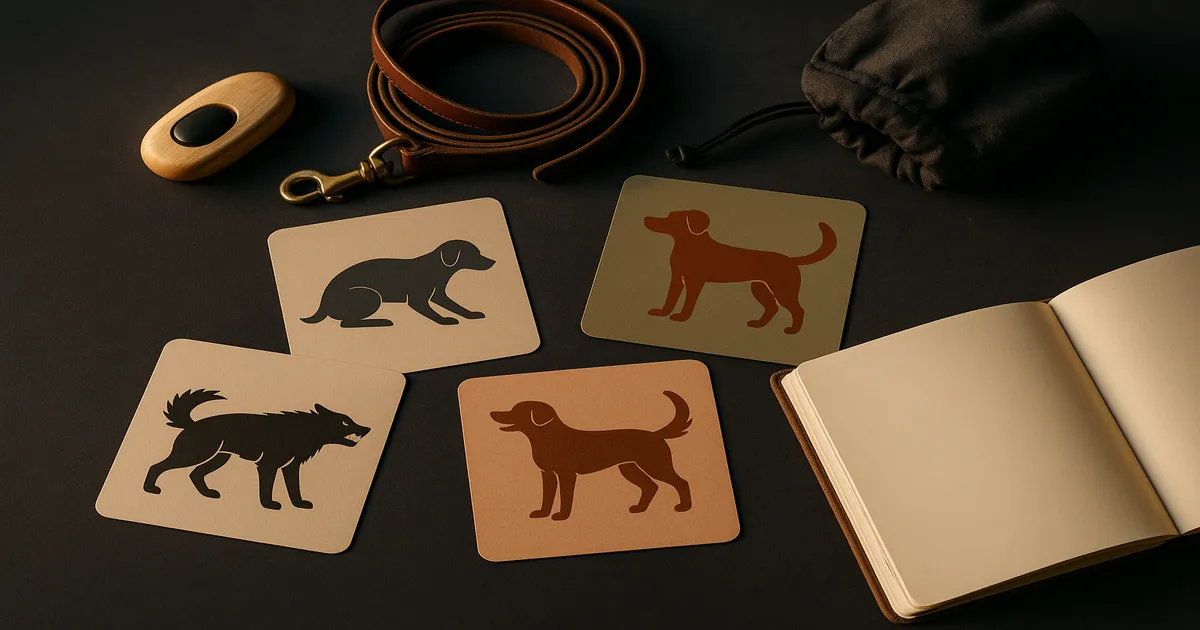
Quick Answer: Most puzzling pet behaviors aren’t random mischief — they’re rooted in evolutionary instinct, breed history, or unmet physical and mental needs. Dogs and cats each have distinct behavioral repertoires shaped by thousands of years of domestication, and the vast majority of “strange” things they do are completely normal. Knowing what to look for, and when to call your vet, makes all the difference.
If you’ve ever watched your dog spin in frantic circles or caught your cat staring intently at a blank wall and thought, “What is this behavior?” — you’re not alone. These moments are among the most common reasons pet owners turn to Google, and the answers are almost always more fascinating than alarming. This guide breaks down the science behind the most frequently misunderstood behaviors in dogs and cats, tells you which ones to monitor, and gives you clear red flags that warrant a vet visit.
What Is This Behavior? A Quick-Reference Guide
Normal, Monitor, or See a Vet?
Pets aren’t being weird for the sake of it. Almost every puzzling behavior traces back to one of three sources: evolutionary instinct carried over from wild ancestors, breed-specific wiring shaped by centuries of selective breeding, or unmet needs — physical, mental, or social. A Border Collie obsessively chasing shadows isn’t broken; it’s expressing 400 years of herding selection. A cat kneading your lap at midnight isn’t being strange; it’s doing something that felt safe since it was a few days old.
Use this table when you’re unsure what you’re looking at:
| Category | What It Means | Examples |
|---|---|---|
| Normal | Instinctive, breed-typical, or contextually appropriate | Zoomies after a bath, kneading, grass eating, slow blinking |
| Monitor | Possibly normal but worth tracking frequency and context | Tail chasing, excessive licking, midnight zoomies in older cats |
| See a Vet | Sudden onset, escalating intensity, or paired with physical symptoms | Head pressing against walls, persistent head tilt, post-zoomie disorientation, sudden behavior change in an adult pet |
The Evolutionary Roots of Pet Behavior
15,000 Years of Dog Domestication
Domestic dogs (Canis lupus familiaris) diverged from gray wolves somewhere between 15,000 and 40,000 years ago. That’s a long time — but not long enough to erase every wolf instinct. Circling before lying down, caching food, and social appeasement behaviors like licking are all direct inheritances from wild canid ancestors.
The AKC recognizes 200+ breeds organized into seven groups — Herding, Hound, Sporting, Terrier, Toy, Working, and Non-Sporting — and each carries a distinct behavioral profile. A Siberian Husky’s drive to run and escape isn’t stubbornness; it’s a Working group dog doing exactly what generations of selective breeding demanded.
Why Cats Still Act Like Wild Hunters
Domestic cats (Felis catus) were domesticated roughly 10,000 years ago in the Near East, primarily as pest controllers rather than companions. Unlike dogs, they were never selectively bred to follow human direction. The result? Cats retained far more of their wild behavioral toolkit, which is why so many cat behaviors feel cryptic compared to dogs.
Before labeling any behavior as a problem, look up your pet’s breed origin and original working purpose. A Beagle ignoring your recall command while nose-down in the grass isn’t being defiant — it’s being a scent hound, doing exactly what centuries of breeding designed it to do.
Top 8 Puzzling Dog Behaviors Explained
Zoomies (FRAPs): Why Dogs Suddenly Run in Circles
Frenetic Random Activity Periods — FRAPs — are those explosive, circular sprints that seem to come from nowhere. They’re a completely normal neurological release of pent-up energy, typically triggered after baths, during play, or in the early morning and evening. High-energy breeds like Labrador Retrievers, Australian Shepherds, Jack Russell Terriers, and Vizslas are especially prone.
When to worry: If zoomies are followed by loss of coordination, pain vocalizations, or disorientation, see your vet. That’s not a FRAP — it may be a seizure.
Tail Chasing: Play or Compulsive Disorder?
In puppies, tail chasing is usually just play. In adult dogs, it’s worth paying closer attention. A 2012 study in PLOS ONE found that tail-chasing Bull Terriers showed behavioral and neurological similarities to human OCD, including a response to SSRI medications. Bull Terriers, German Shepherds, and Doberman Pinschers are most predisposed to Canine Compulsive Disorder (CCD).
If your adult dog chases its tail occasionally and can be redirected, it’s probably fine. If it’s daily, escalating, or the dog seems distressed, ask your vet about a behavioral referral.
Eating Grass: Self-Medication or Simple Preference?
Here’s a stat that surprises most owners: fewer than 25% of dogs actually vomit after eating grass. That means grass eating is almost certainly not a self-medication behavior in most cases. It’s more likely driven by instinctual omnivory, a desire for fiber, or simply enjoying the taste and texture.
When to worry: Frantic, urgent grass eating combined with lip-licking, repeated swallowing, or drooling can signal nausea or GI distress. That warrants a vet call.
Head Tilting: Adorable Quirk or Medical Concern?
Dogs tilt their heads to better localize sound and adjust their ear canal positioning. A 2021 study in Animal Cognition found that dogs trained to recognize object names tilted their heads significantly more when processing meaningful words — a sign of active auditory processing, not confusion.
When to worry: A persistent, uncontrolled head tilt that doesn’t resolve is a medical emergency. Vestibular disease, ear infection, and brain lesions can all present this way.
Scooting: The Anal Gland Problem Most Owners Miss
Scooting — dragging the rear end across the floor — is almost always about anal glands. These small sacs on either side of the anus can become impacted, infected, or irritated, affecting an estimated 12% of dogs annually. Small breeds like Chihuahuas, Toy Poodles, and Dachshunds are disproportionately affected and may need gland expression every four to eight weeks. Intestinal parasites and perianal allergies can also cause scooting, so a vet check is always the right call.
Whale Eye and Yawning: Stress Signals That Prevent Bites
Whale eye — the half-moon of white sclera visible when a dog turns its head while keeping its gaze fixed — is a stress warning, not a cute quirk. It means the dog is uncomfortable and may be approaching bite threshold. The AVMA estimates 4.5 million dog bites occur in the U.S. annually, with children as the most common victims. Teaching kids to recognize whale eye is genuinely protective.
Yawning in non-sleepy contexts is a related calming signal. If your dog yawns repeatedly during a training session, it’s not bored — it’s cognitively overwhelmed. That’s your cue to wrap up and try again later.
Circling Before Lying Down: Ancient Instinct Explained
Wild canid ancestors would trample grass, check for snakes or insects, and orient themselves relative to wind direction before resting. Most dogs do this; some do it more obsessively than others, and it’s completely normal.
When to worry: Excessive, disoriented circling — especially in senior dogs — can be an early sign of Cognitive Dysfunction Syndrome (CDS) or neurological disease.
Mounting: It’s Not Always About Dominance
Mounting gets misread constantly. Yes, it can be sexual — but it’s equally common as a stress response, excitement outlet, or social display, and it occurs in spayed and neutered animals too. Spay/neuter reduces mounting by roughly 50–60% in male dogs but doesn’t always eliminate it entirely.
When to worry: Sudden onset mounting in an adult dog that never did it before can signal hormonal imbalance or pain. Get it checked.
Top 7 Puzzling Cat Behaviors Explained
Kneading (‘Making Biscuits’): Comfort, Territory, or Both?
Kneading starts in kittenhood, when nursing kittens push rhythmically against the mother’s mammary glands to stimulate milk flow. Most cats carry this behavior into adulthood as a pure comfort response. If your cat is kneading you, that’s about as high a compliment as the species offers. It also serves a territorial function, since paw pads contain scent glands. Ragdolls, Maine Coons, and Birmans are especially known for it.
Chattering at Birds: Frustration or Hunting Strategy?
That rapid jaw-stuttering “ek-ek-ek” sound cats make at birds through the window has fascinated researchers for years. The leading theories are that it’s either an involuntary neurological response mimicking the killing bite, or a predatory frustration vocalization. A 2010 Wildlife Conservation Society study documented wild margay cats mimicking monkey calls to lure prey, suggesting chattering may sometimes serve a prey-luring function. Either way, it’s completely normal.
Slow Blinking: The Science Behind the Feline Smile
This one has peer-reviewed backing. A 2020 study in Scientific Reports from the University of Sussex confirmed that slow blinking is a genuine affiliative signal — a feline smile. Cats perceive humans who slow-blink back as less threatening and more approachable. Try it the next time you want to build trust with a nervous cat.
Midnight Zoomies: Why Cats Go Crazy at 3 AM
Cats are crepuscular, meaning they’re naturally most active at dawn and dusk. Indoor cats with insufficient daytime stimulation often displace that hunting energy into nighttime activity bursts. The fix is straightforward: schedule an interactive play session 30–60 minutes before your bedtime using a wand toy like the Da Bird Feather Wand. Feline behavior consultants estimate this simple change reduces nighttime activity by around 70%.
Head Bunting and Trilling: Signs of Deep Feline Affection
When a cat presses its forehead or cheeks against you, it’s depositing pheromones from its facial scent glands and marking you as part of its safe social group. Trilling — that rolling, bird-like vocalization — is used to greet familiar individuals and express positive anticipation. Here’s a fascinating detail: adult cats don’t meow at each other. Meowing is a behavior domestic cats specifically evolved to use with humans. When your cat meows at you, it’s speaking your language.
Bringing Dead Animals Home: What Your Cat Is Really Saying
In the wild, female cats bring prey back to the nest to teach kittens to hunt. Your cat may see you as a member of its social group who needs feeding — or it may simply be sharing a successful hunt. It’s not aggression. It’s, in its own way, generosity.
Worth noting: outdoor cats kill an estimated 1.3–4 billion birds and 6.3–22.4 billion mammals annually in the U.S. (Nature Communications, 2013). Keeping cats indoors, or using a brightly colored collar cover like the Birdsbesafe Cat Collar Cover, meaningfully reduces this impact.
Staring at Walls: Acoustic Hunting or Neurological Warning?
Cats can hear frequencies up to 79,000 Hz — humans top out around 20,000 Hz. When your cat stares intently at a blank wall, it’s almost certainly hearing insects, mice, or other small animals moving inside it. This is active acoustic hunting, not a sign that something is wrong.
⚠️ Red Flag: If wall-staring is accompanied by your cat pressing its head against the wall, that is a neurological emergency. Get to a vet immediately.
What Is This Behavior? It Might Just Be Boredom
The Exercise-Behavior Link
The Association of Professional Dog Trainers (APDT) estimates that 60–70% of behavioral complaints brought to trainers stem from insufficient physical or mental exercise. Destructive chewing, excessive barking, hyperactivity, and aggression are frequently mislabeled as “bad behavior” when they’re really unmet needs wearing a behavioral costume.
Daily Exercise Requirements by Dog Breed Group
| Breed Group | Daily Exercise Need | Common Signs of Deficit |
|---|---|---|
| Herding (Border Collie, Aussie) | 2+ hours | Obsessive behaviors, shadow chasing, destructiveness |
| Working (Husky, Malinois) | 1.5–2 hours | Escaping, howling, destructive chewing |
| Sporting (Lab, Golden, Vizsla) | 1–2 hours | Hyperactivity, jumping, counter-surfing |
| Terrier (Jack Russell, Airedale) | 1–1.5 hours | Digging, barking, reactive behavior |
| Hound (Beagle, Bloodhound) | 1–1.5 hours | Howling, scent-following escapes |
| Toy (Chihuahua, Maltese) | 30–45 minutes | Anxiety, excessive barking, resource guarding |
| Non-Sporting (Bulldog, Chow Chow) | 30–60 minutes | Weight gain, low-level irritability |
Mental Stimulation: The Overlooked Half of the Equation
Physical exercise is only part of the picture. A 15-minute training session can produce the same level of fatigue as a 30-minute walk, because the brain burns energy too. Effective mental enrichment options include:
- Puzzle feeders and stuffed Kongs — try the KONG Classic Dog Toy stuffed with peanut butter and frozen overnight
- Nose work and scent games — dogs have roughly 300 million olfactory receptors vs. our 6 million; sniffing time is genuinely tiring
- Trick training to build confidence and strengthen communication
- Sniff walks where your dog sets the pace and follows its nose, rather than maintaining heel position
How Much Play Do Cats Actually Need?
Cats need a minimum of two to three interactive play sessions daily, each lasting 10–15 minutes, to meet their predatory behavioral needs. Without it, redirected aggression, over-grooming, and depression are common outcomes. Match the toy to the full hunting sequence — stalk, chase, pounce, catch — and always end with a small food reward to complete the “kill.” An electronic toy like the SmartyKat Hot Pursuit keeps cats engaged even when you’re busy.
Grooming Changes: What They Reveal About Health
When Cats Stop Grooming
A healthy cat spends 30–50% of its waking hours grooming. When that stops, something is wrong. Pain, arthritis, dental disease, obesity, and depression are all common culprits. A sudden, visible decline in coat condition is one of the most reliable early indicators that something has changed physically or emotionally.
Over-Grooming and Psychogenic Alopecia
Some cats groom compulsively under stress, creating bald patches — typically on the belly and inner thighs. This is called psychogenic alopecia, and it affects an estimated 2–5% of domestic cats. Siamese and Abyssinian breeds are overrepresented. If you notice thinning fur in these areas, rule out skin parasites and allergies first, then discuss stress management and environmental enrichment with your vet.
When Dogs Resist Grooming They Previously Tolerated
A dog that suddenly flinches, snaps, or shuts down during grooming it used to accept isn’t being difficult — it’s telling you something hurts. Arthritis, ear infections, and skin conditions are common culprits. Treat sudden grooming resistance as a pain signal first, and a behavioral problem second.
Breed-Specific Behaviors: Normal for Them, Alarming for You
Herding Breeds: Obsessive Focus and Nipping
Border Collies and Australian Shepherds were bred to track, stalk, and control livestock for hours at a time. That intensity doesn’t disappear in a suburban backyard. Eye-stalking, shadow-chasing, and nipping at moving objects — including children’s heels — are breed-standard expressions of herding drive, not aggression. They need an appropriate outlet: agility, herding sport, or intensive reward-based trick training.
Scent Hounds: Why They Ignore You on Walks
When a Beagle locks onto a scent trail, the rest of the world effectively ceases to exist. This isn’t disobedience — it’s a dog doing exactly what centuries of selective breeding designed it to do. Reliable recall in scent hound breeds requires consistent, positive reinforcement-based training that competes with the value of following a trail. In open areas, a long training leash like the Mendota Products Long Dog Leash is your safest management tool.
Vocal Cat Breeds: Siamese, Burmese, and Oriental Shorthairs
If you share your home with a Siamese, Oriental Shorthair, Burmese, or Tonkinese and it talks constantly, that’s not a behavioral problem — that’s the breed. Loud, persistent vocalization was selectively reinforced in these cats going back to their origins. Prospective owners who research this beforehand tend to find it charming rather than alarming.
Toy Breeds and Anxiety-Driven Behaviors
Chihuahuas, Maltese, and other Toy breeds are sometimes dismissed as “yappy” or “neurotic,” but many of their behaviors — excessive barking, resource guarding, clinginess — are anxiety-driven responses that respond well to structured, reward-based training and consistent daily routine. Small size doesn’t mean small exercise needs. Toy breeds that don’t get adequate daily activity develop behavioral problems at the same rate as larger dogs.
Frequently Asked Questions
What is this behavior — my dog eating poop?
Coprophagia (eating feces) is surprisingly common, affecting roughly 16% of dogs. Puppies often do it out of curiosity and grow out of it. In adult dogs, it can signal nutritional deficiency, parasites, or learned behavior. Rule out medical causes with your vet first, then address it through management (cleaning up immediately after elimination) and reward-based redirection.
What is this behavior — my cat yowling at night?
Nighttime yowling in cats has several common causes: insufficient daytime stimulation, mating behavior in unspayed or unneutered cats, or — particularly in cats over 10 years old — cognitive dysfunction, hyperthyroidism, or hypertension. If your senior cat has recently started yowling at night, schedule a vet visit. It’s rarely “just a phase” in older animals.
My dog suddenly started a new behavior. Should I be worried?
Sudden behavioral changes in adult pets — especially ones with no obvious trigger — are worth taking seriously. Pain, hormonal changes, neurological issues, and cognitive decline can all manifest as behavioral shifts before any physical symptoms appear. When in doubt, a vet visit is always the right call.
Is it normal for cats to knock things off tables on purpose?
Yes, and it’s both instinct and learned behavior. Cats push objects off surfaces partly to test whether they’re “alive” (prey-testing instinct) and partly because they’ve learned — through operant conditioning — that it reliably produces a human reaction. If you respond every time, you’ve accidentally trained the behavior. Ignoring it consistently, while providing appropriate enrichment, is the most effective fix.
How do I know if my pet’s behavior needs professional help?
Seek a certified applied animal behaviorist (CAAB) or a board-certified veterinary behaviorist (DACVB) if a behavior is: escalating despite management, involves aggression toward people or other animals, appears to cause the pet distress, or has a sudden onset in an adult animal with no clear cause. Trainers can help with many issues, but medical and compulsive behaviors need a professional with clinical credentials.
Always consult your veterinarian before making significant changes to your pet’s diet, exercise routine, or behavioral management plan. This article is for informational purposes only and does not constitute veterinary advice.