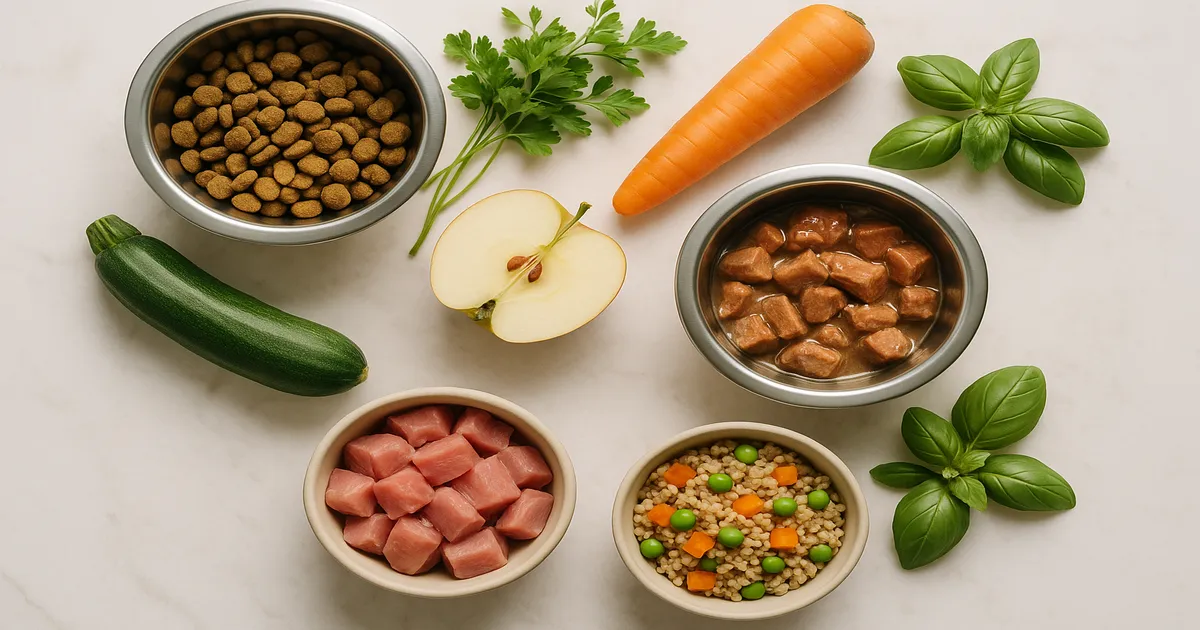
Quick Answer: The best wet foods for dogs include The Farmer’s Dog and Purina Pro Plan, while cats thrive on low-carb pâtés like Fancy Feast Classic and Tiki Cat. For raw feeding, Stella & Chewy’s and Primal are top commercial picks. Your best choice depends on your pet’s species, life stage, health needs, and your budget — all covered in detail below.
Looking for good wet and raw food recommendations for your dog or cat? You’re not alone — and the sheer number of options can make the search feel impossible. The market now spans everything from fresh human-grade delivery services to budget-friendly canned foods backed by decades of feeding trials. This guide cuts through the noise with evidence-based picks, practical label-reading tips, and feeding advice for every situation and budget.
Good Wet and Raw Food Recommendations at a Glance
Best Wet Foods for Dogs
- Premium: The Farmer’s Dog (human-grade, vet-formulated, fresh-delivered)
- Mid-tier: Merrick Grain-Free or Wellness CORE (high-protein, widely available)
- Budget: Purina Pro Plan Classic Wet (feeding-trial validated, real meat first)
Best Wet Foods for Cats
- Top pâté: Fancy Feast Classic (low-carb, palatable, affordable)
- Premium: Tiki Cat or Weruva (high-moisture, minimal carbs, quality sourcing)
- Prescription: Hill’s c/d or Royal Canin Urinary SO for cats with FLUTD
Best Raw and Fresh Food Options
- Commercial raw: Stella & Chewy’s Freeze-Dried Raw Dinner Patties (HPP-processed, AAFCO complete)
- Fresh raw: Primal Pet Foods (sourced from USDA-inspected facilities)
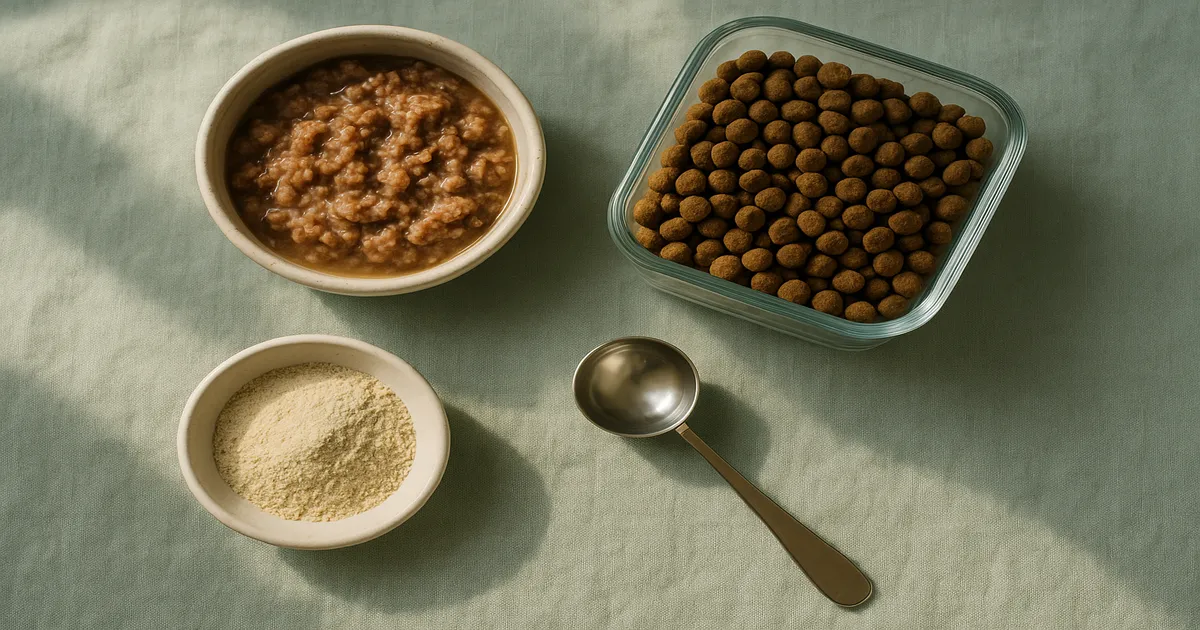
- Easy entry point: Small Batch freeze-dried used as a kibble topper
Full brand breakdowns are in the sections below.
Wet Food vs. Raw Food: What’s the Difference?
Wet Food Formats: Pâté, Chunks in Gravy, and Stew
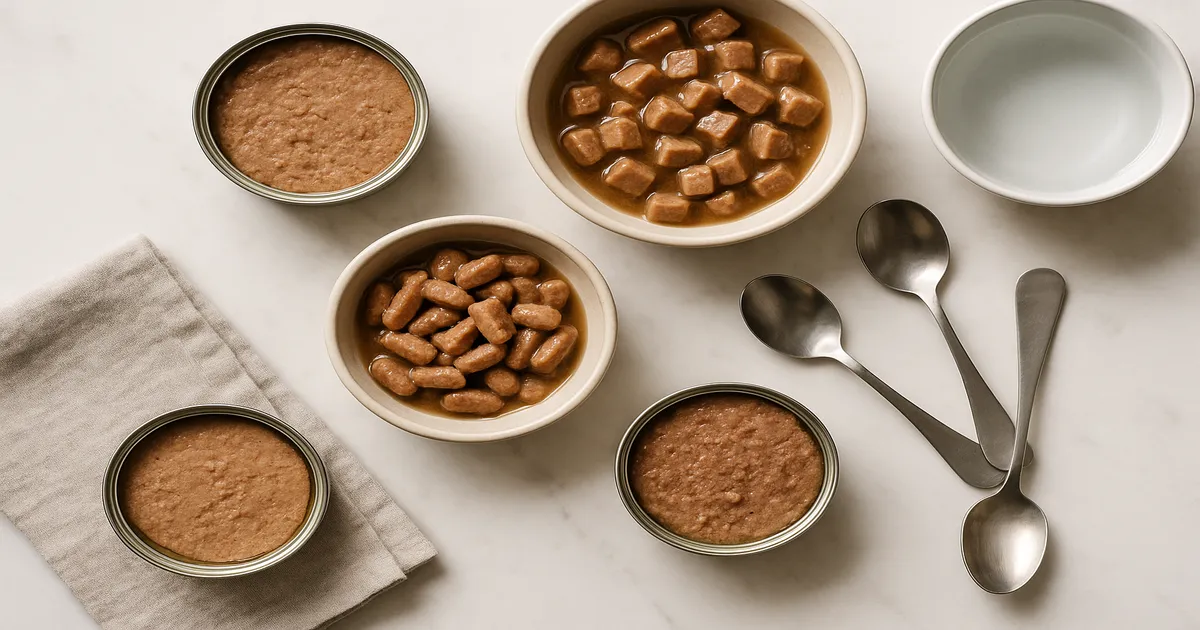
Commercial wet food comes in three main formats. Pâté is a smooth, loaf-style texture — the lowest-carb option and the easiest to portion accurately. Chunks in gravy or jelly appeal to pets who like varied textures, though the gravy often contains starch thickeners that raise carbohydrate content. Stews are chunkier than pâté, with visible vegetables and meat pieces, and fall somewhere in between nutritionally.
All three formats typically contain 70–85% moisture — a significant upgrade over kibble’s 8–12%.
Raw Food Formats: Fresh, Freeze-Dried, and Air-Dried
- Fresh raw: Refrigerated or frozen blends of muscle meat, organ meat, and bone — either whole-prey style or commercially ground and portioned
- Freeze-dried raw: Fresh raw food with moisture removed at low temperatures; shelf-stable, nutrient-dense, and meaningfully safer than fresh raw when high-pressure processing (HPP) is also applied
- Air-dried: Slow-dried at low heat to reduce moisture while preserving nutrients — a middle ground between kibble convenience and raw nutrition
Hybrid Feeding: Mixing Wet or Raw with Kibble
You don’t have to go all-in on wet or raw. Many owners use wet food or freeze-dried raw as a topper over kibble — even a tablespoon improves palatability and adds moisture. Just make sure the base kibble is AAFCO complete. Toppers labeled “complementary” or “for intermittent or supplemental feeding” aren’t designed to carry the full nutritional load on their own.
How to Read Pet Food Labels Before You Buy
What AAFCO “Complete and Balanced” Really Means
The AAFCO statement on a pet food label tells you whether the food can serve as your pet’s sole diet. “Complete and balanced” means it meets minimum nutrient requirements for the stated life stage. “All life stages” is the most stringent — it covers growth and reproduction as well as adult maintenance. If the label says “complementary” or “for intermittent or supplemental feeding,” it’s a treat or topper, not a meal replacement.
Feeding Trial vs. Formulated to Meet Nutrient Profiles
These two phrases signal very different levels of validation. “Formulated to meet AAFCO nutrient profiles” means the recipe was calculated on paper. “Substantiated by AAFCO feeding trials” means actual animals ate the food and were monitored for health outcomes — a much higher bar. Purina Pro Plan is well known for extensive feeding trial validation. When in doubt, feeding-trial-backed foods are the safer long-term choice.
Key Nutrients to Check on Wet and Raw Food Labels
| Nutrient | Adult Dog | Adult Cat | Puppy/Kitten |
|---|---|---|---|
| Protein (min, DM) | 18% | 26% | 22–28% |
| Fat (min, DM) | 5% | 9% | 8–10% |
| Carbohydrates (ideal, DM) | <30% | <10% | <20% |
| Moisture | 70–85% | 70–85% | 70–85% |
| Taurine (cats) | — | 0.1% min | 0.1% min |
| Calcium:Phosphorus ratio | 1:1 to 2:1 | 1:1 to 2:1 | 1.2:1 to 1.8:1 |
Dry Matter Basis: Why It Matters
Comparing a wet food’s “8% protein” to a kibble’s “28% protein” is misleading without removing water from the equation. To convert to dry matter basis (DMB): subtract the moisture percentage from 100, then divide the nutrient percentage by that number and multiply by 100. A wet food with 8% protein and 78% moisture actually delivers 36% protein on a dry matter basis — higher than most kibbles. Always compare foods on a DMB when evaluating protein and fat.
Good Wet Food Recommendations for Dogs
Premium Fresh and Human-Grade Options
The Farmer’s Dog is the gold standard for fresh-cooked dog food. Recipes are formulated by board-certified veterinary nutritionists, use human-grade ingredients, and are AAFCO complete for all life stages. Expect to pay roughly $2–12/day depending on your dog’s size. It’s an excellent fit for sensitive stomachs, picky eaters, and owners who want full ingredient transparency.
Nom Nom (now part of Now Foods) offers a similar fresh-delivered model with an interesting add-on: microbiome testing to help personalize your dog’s diet. Recipes include Beef Mash, Chicken Cuisine, Pork Potluck, and Turkey Fare, running $3–15/day. It’s particularly well-suited for dogs with GI issues or food sensitivities.
Ollie rounds out the premium fresh tier with subscription-based personalized meal plans. Their Lamb recipe stands out for dogs needing a novel protein, and their senior formulas are solid for weight management. Budget roughly $3–12/day.
Mid-Tier Premium Wet Dog Foods
- Merrick Grain-Free — Real deboned meat as the first ingredient, wide protein variety, ~$2.50–4.00 per 12.7 oz can. The Backcountry line blends freeze-dried raw pieces into wet food for an easy hybrid option.
- Wellness CORE Grain-Free Wet — High-protein formulas with no artificial preservatives or colors, ~$2.00–3.50 per 12.5 oz can. A good fit for dogs that do well on turkey or salmon.
- Instinct Original Grain-Free — 95% real animal ingredients, cage-free poultry or beef options, ~$2.50–4.00 per 13 oz can. One of the cleanest ingredient lists in this price range.
Budget-Friendly Quality Picks
Purina Pro Plan Classic Wet is the budget recommendation vets most frequently stand behind. It’s backed by more feeding trials than almost any other brand, uses real meat as the first ingredient, and costs just $1.50–2.50 per 13 oz can. For owners who want science-backed nutrition without the premium price tag, this is the smart pick.
Canidae PURE Wet is worth a mention for dogs with food allergies. Limited-ingredient formulas with eight or fewer ingredients make it ideal for elimination diet trials, at around $2.00–3.00 per 13 oz can.
Puppies vs. Senior Dogs: What to Look For
For puppies, look for foods labeled “all life stages” or specifically “growth” — they meet the higher protein, fat, and calcium requirements that developing bodies need. The Farmer’s Dog and Nom Nom both qualify. For senior dogs, prioritize high-moisture formulas with controlled phosphorus and added joint support (glucosamine and chondroitin). Ollie’s senior line and Purina Pro Plan Bright Mind are solid choices.
Good Wet Food Recommendations for Cats
Why Cats Need High-Moisture, Low-Carb Diets
Cats are obligate carnivores. They cannot synthesize taurine, arachidonic acid, or preformed vitamin A from plant sources, and they evolved as desert animals with a naturally low thirst drive — designed to get most of their hydration from prey. Wet food increases urine volume by 50–100%, which is clinically significant for preventing urinary crystals and supporting kidney function. A cat eating only dry food is essentially in a state of chronic mild dehydration.
Top Pâté Wet Foods for Cats
Fancy Feast Classic Pâté is one of the best-kept secrets in feline nutrition. The original pâté varieties — not the “Creamy” or “Medleys” lines — typically come in under 5% carbohydrates on a dry matter basis, lower than many expensive specialty brands. They’re palatable, widely available, and affordable. Many veterinary internists recommend them for diabetic cats.
Tiki Cat offers high-protein, low-carb wet foods with minimal thickeners and fillers. Their Hookena Luau and Puka Puka Luau lines are shredded fish-based options with excellent moisture content and clean ingredient lists.
Weruva uses human-grade ingredients and unique protein sources like chicken breast, tuna, and mackerel. Their BFF (Best Feline Friend) line is more budget-friendly while maintaining quality. Both Tiki Cat and Weruva sit comfortably under 10% carbs on a dry matter basis.
Prescription Wet Foods for Urinary and Kidney Health
For cats with FLUTD or chronic kidney disease (CKD), over-the-counter wet food is a good start, but prescription diets add targeted nutrient controls. Hill’s Prescription Diet c/d Multicare and Royal Canin Urinary SO are the two most commonly prescribed urinary diets. For kidney disease, Hill’s k/d, Royal Canin Renal, and Purina NF restrict phosphorus to levels that reduce renal workload — something standard commercial foods can’t reliably achieve. Always work with your vet before switching a cat with an existing condition to a new diet.
Transitioning a Dry-Food-Addicted Cat to Wet Food
Cats imprint on food textures and flavors between 2–7 weeks of age, so an adult cat raised on kibble may treat wet food like a foreign object. This protocol works well for most cats:
- Days 1–3: Place a small amount of wet food beside the dry food bowl. Don’t mix yet.
- Days 4–6: Mix 10% wet food into the dry food.
- Days 7–10: Gradually increase wet food to 25%, then 50%.
- Days 11–14: Aim for 75–100% wet food.
- Be patient: Some cats take 4–6 weeks. Never withhold food to force acceptance — hepatic lipidosis (fatty liver disease) can develop within 48–72 hours of food refusal in cats.
Warming the wet food slightly and adding a sprinkle of freeze-dried meat topper can help bridge the gap.
Good Raw Food Recommendations for Dogs and Cats
Top Commercial Raw Brands
Stella & Chewy’s is the most accessible commercial raw brand in the US, available at most pet specialty stores. Their Freeze-Dried Raw Dinner Patties are AAFCO complete, use high-pressure processing (HPP) to reduce pathogens, and come in proteins including beef, chicken, duck, rabbit, and venison.
Primal Pet Foods sources from USDA-inspected facilities and offers both frozen raw nuggets and freeze-dried options. Their formulas include organic produce and certified-humane meats — a strong choice for owners who prioritize sourcing ethics alongside nutrition.
Small Batch is a smaller brand worth knowing for its single-protein frozen raw patties, ideal for elimination diets. Their turkey and rabbit formulas are particularly useful for dogs and cats with chicken or beef sensitivities.
Freeze-Dried Raw: The Practical Sweet Spot
Freeze-dried raw is the most practical entry point for most owners. The process removes moisture without heat, preserving nutrients while significantly reducing — though not eliminating — pathogen risk, especially when HPP is also applied. It’s shelf-stable, easy to portion, and can be rehydrated with water to boost moisture content. For households with young children, elderly individuals, or immunocompromised members, HPP-processed freeze-dried raw is strongly preferred over fresh raw.
DIY Raw Feeding: BARF vs. Prey Model Raw
Two philosophies dominate the DIY raw world:
- BARF (Biologically Appropriate Raw Food): Includes muscle meat, raw meaty bones, organ meat, raw eggs, vegetables, fruit, and sometimes dairy. Developed by Australian veterinarian Dr. Ian Billinghurst, who introduced the concept in his 1993 book Give Your Dog a Bone. Aims to mimic a whole-food omnivorous diet.
- Prey Model Raw (PMR): Follows an 80/10/10 ratio — 80% muscle meat, 10% raw bone, 10% organ (with 5% being secreting organs like liver). Eliminates plant matter entirely, based on the argument that prey animals are the appropriate nutritional model.
Both approaches can work, but both carry real risks of nutritional imbalance without careful planning. Consulting a board-certified veterinary nutritionist (find one at dacvn.org) before starting DIY raw is strongly recommended.
Raw Safety: Pathogens and Nutritional Risks
The FDA has documented Salmonella and Listeria contamination in commercial raw pet foods. The risks are real — for pets and for the humans handling the food. Practical steps to reduce risk:
- Choose HPP-processed commercial raw products when possible
- Wash hands, surfaces, and bowls thoroughly after every raw meal
- Avoid raw feeding in households with young children, pregnant women, or immunocompromised individuals
- Freeze raw meat for at least three days before use to reduce (not eliminate) parasite risk
- Have your vet run annual bloodwork to catch nutritional deficiencies early in DIY-fed pets
Matching Wet and Raw Food to Your Pet’s Health Needs
Urinary Tract Disease and FLUTD
Any high-moisture wet food is a step in the right direction for urinary health. For cats with active FLUTD, prescription diets like Royal Canin Urinary SO or Hill’s c/d are clinically proven to reduce recurrence. The goal is dilute urine with a pH that discourages crystal formation — something high-moisture feeding supports naturally.
Kidney Disease (CKD)
CKD affects roughly 30–40% of cats over age 10 and is increasingly common in senior dogs. Phosphorus restriction — targeting less than 0.5% dry matter in Stage 2–4 CKD — is the single most impactful dietary intervention. Hill’s k/d, Royal Canin Renal, and Purina NF are the standard prescription options. Raw diets can be problematic here because bone content drives phosphorus levels up. DIY raw for CKD patients requires very careful formulation by a veterinary nutritionist.
Frequently Asked Questions
Is wet food better than dry food for dogs and cats? For most pets, yes — especially cats. Wet food provides significantly more moisture, which supports kidney and urinary tract health. It also tends to be lower in carbohydrates. That said, some high-quality kibbles backed by feeding trials are nutritionally complete and perfectly adequate. The best diet is one your pet will eat consistently and that fits your budget long-term.
How much wet food should I feed my dog or cat per day? Follow the feeding guidelines on the label as a starting point, then adjust based on your pet’s body condition score. A healthy pet should have a visible waist and ribs you can feel but not see. Most adult cats need roughly 4–6 oz of wet food per day; dogs vary widely by size. Your vet can give you a precise target.
Is raw food safe for pets? Commercial raw food from reputable brands — especially those using high-pressure processing (HPP) — is reasonably safe when handled properly. Fresh raw carries higher pathogen risk and requires careful food safety practices. It’s not recommended in households with young children, pregnant women, or immunocompromised individuals. Always consult your vet before starting a raw diet.
What is the best wet food for a cat with kidney disease? Prescription diets are the gold standard for feline CKD. Hill’s Prescription Diet k/d, Royal Canin Renal, and Purina Pro Plan Veterinary Diets NF are the most commonly recommended. These restrict phosphorus to levels that reduce renal workload. Work with your vet to choose the right stage-appropriate formula.
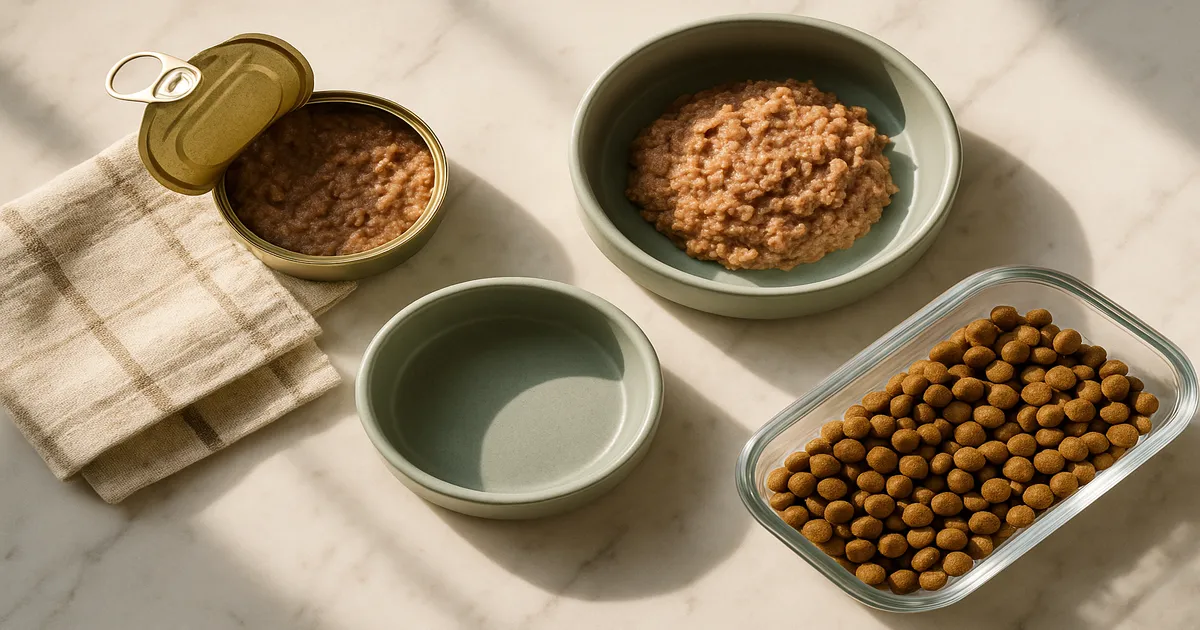
Can I mix wet food and kibble in the same meal? Yes, and many owners do. Mixing wet food into kibble improves palatability and adds moisture without a major cost increase. Just account for the combined calories to avoid overfeeding. Make sure both the wet food and kibble are AAFCO complete if you’re relying on them as the full diet.