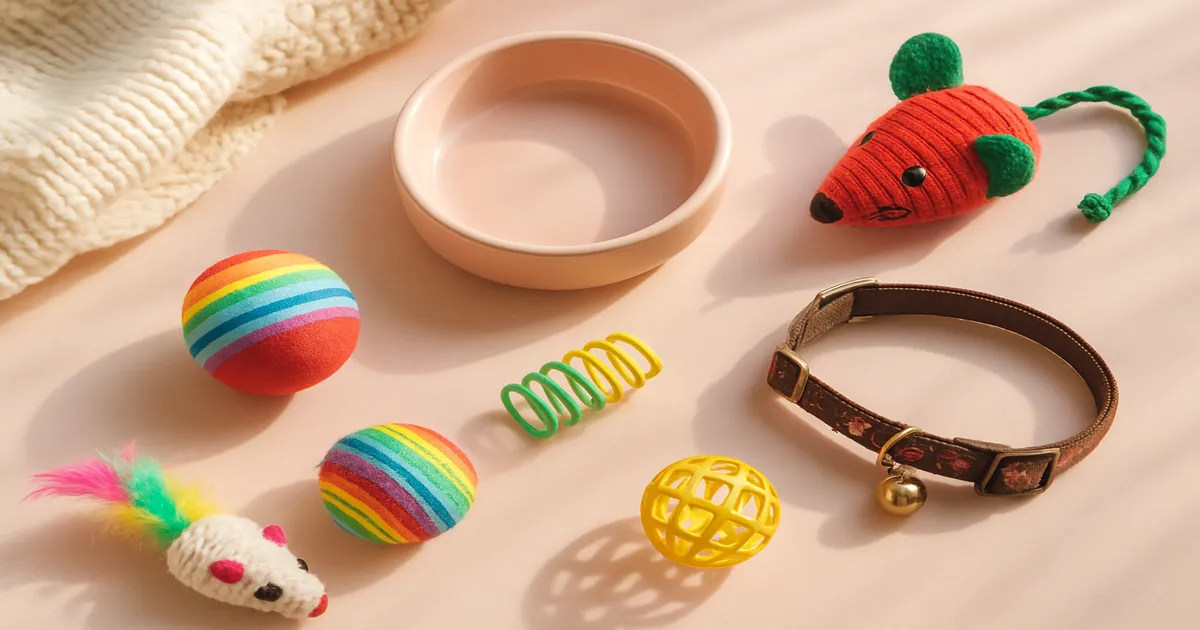
Quick Answer: The Ragdoll is our top overall pick for girls of all ages — its legendary “go limp” trait and gentle temperament make it one of the safest cat breeds for girls to handle independently. The Maine Coon is our runner-up for active, playful girls who want a trick-learning, highly interactive companion with serious “wow factor.”
Choosing the best cat breeds for girls isn’t just about picking the cutest face in a litter. It’s about finding a breed whose temperament, energy level, and care demands genuinely fit a child’s personality and a family’s lifestyle — so the bond lasts for the cat’s entire life, not just the first few weeks of novelty.
This guide covers three standout breeds — the Ragdoll, Maine Coon, and Scottish Fold — with honest profiles covering health realities, grooming demands, and real-world fit. A comparison table and situation-specific recommendations help you match the right cat to the right household.
Best Cat Breeds for Girls: Top Picks at a Glance
Best Overall — Ragdoll: Docile, cuddly, and remarkably patient with young handlers. The Ragdoll’s signature tendency to go limp when held makes it uniquely safe for younger children, and its low grooming demands relative to its coat length are a genuine bonus for busy families.
Best for Active Girls — Maine Coon: Big, bold, and endlessly entertaining. Maine Coons are among the most trainable cat breeds around, and their playful, dog-like personality gives active girls a companion that can genuinely keep up with them.
How We Chose These Breeds
We evaluated each breed across six criteria: temperament with children, tolerance of handling, interactivity and playfulness, grooming manageability, health transparency, and visual appeal. Every breed featured here had to score well across most of these areas — not just one or two.
What to Look For in a Cat Breed for Girls
Temperament and Tolerance of Handling
This is the non-negotiable. A cat that swipes, bites, or bolts when picked up is a poor match for a young owner, no matter how beautiful it is. Look for breeds with low reactivity, a high threshold for being carried, and a non-aggressive response to accidental rough handling.
Energy Level and Playfulness
A high-energy kitten in a quiet household often becomes a destructive teenager. Match the breed’s energy to the child’s lifestyle. Active girls who want a play partner every afternoon will thrive with a Maine Coon, while a child who prefers reading and cuddling will be happier with a Ragdoll.
Grooming Demands
Long coats look stunning, but regular brushing is a real commitment for a young owner. Some longhaired breeds — like the Ragdoll — have silky, low-mat coats that need only two to three sessions per week. Others, like the Maine Coon, require daily attention during shedding season. Be honest about who will actually be doing the grooming.
Health Transparency and Lifespan
Breed-specific health issues matter both ethically and practically. HCM (hypertrophic cardiomyopathy) is a concern in both Ragdolls and Maine Coons, but DNA testing is available and reputable breeders screen for it. The Scottish Fold’s osteochondrodysplasia is a more complex situation — it’s breed-wide, not rare, and requires careful sourcing decisions. A cat that lives 12–17 years is a long-term commitment; go in with clear eyes.
Compatibility with Families and Other Pets
Most girls live in households with siblings, parents, and sometimes dogs or other cats. A breed that bonds with the whole family — rather than tolerating everyone except its chosen person — makes daily life much smoother.
At-a-Glance Breed Comparison
| Breed | Temperament with Children | Energy Level | Grooming Frequency | Avg. Lifespan | Apartment Suitability | Key Health Concern | Best Suited For |
|---|---|---|---|---|---|---|---|
| Ragdoll | ⭐⭐⭐⭐⭐ Exceptional | Low–Moderate | 2–3x/week | 12–17 years | Excellent | HCM (DNA testable) | All ages, first-time owners |
| Maine Coon | ⭐⭐⭐⭐⭐ Excellent | Moderate–High | Daily in shed season | 12–15 years | Good (needs vertical space) | HCM + SMA (DNA testable) | Active girls, older children |
| Scottish Fold | ⭐⭐⭐⭐ Very Good | Low–Moderate | Weekly (shorthair) | 11–15 years | Excellent | Osteochondrodysplasia (breed-wide) | Calm households, informed owners |
Ragdoll
The Ragdoll is arguably the gold standard for child-safe cats. Developed in 1960s California by breeder Ann Baker from a white longhaired cat named Josephine, the breed was intentionally selected for docility and large size. Decades of selective breeding have produced a cat that genuinely lives up to its reputation. The name says it all: pick one up and it relaxes into your arms like a stuffed animal.
If you’re sourcing a kitten, look for a TICA-registered breeder who health-tests both parents.
Temperament and Personality
Ragdolls are consistently described as “dog-like” in their attachment to people — not demanding about it, but quietly present wherever you are. They bond strongly with children and are remarkably tolerant of being carried, dressed up, and included in imaginative play. They rarely scratch or bite even when startled, which is a genuinely rare combination in any breed.
Exercise and Play Needs
Ragdolls need around 15–20 minutes of active play per day. They’re enthusiastic about wand toys and feather teasers, and many will retrieve a toy mouse as reliably as a dog fetches a ball. That said, they’re not self-motivating exercisers — if a play session doesn’t happen, they’ll simply nap. Structured daily play is essential to prevent weight gain. A good interactive wand toy gets most Ragdolls moving enthusiastically without requiring a large space.
Grooming Requirements
Despite the semi-long coat, Ragdolls are surprisingly low-maintenance. Their silky fur lacks the dense undercoat that causes heavy matting in many longhaired breeds, so two to three brushing sessions per week with a stainless steel comb keeps things tidy. Nails need trimming every two to three weeks, and weekly dental brushing is recommended.
Health Considerations
The primary concern is hypertrophic cardiomyopathy (HCM) — a genetic heart condition linked to the MYBPC3 mutation that reputable breeders screen for via DNA testing. Ask any breeder for HCM-negative certification for both parents, and budget for annual echocardiograms after your cat turns two. Obesity is the other significant risk; Ragdolls will happily overeat if food is freely available, so measured portions are a must. Average lifespan is 12–17 years.
Pros
- Exceptional child safety — low reactivity, tolerates handling from all ages
- Apartment-friendly with minimal space requirements
- Lower grooming effort than most longhaired breeds
- Responds well to positive reinforcement training
- Bonds warmly with the entire family, not just one person
Cons
- Prone to obesity if play and portion control are neglected
- HCM genetic risk requires ongoing vet monitoring and careful breeder selection
- Strictly indoor only — their trusting temperament makes them vulnerable outside
Best for: Girls of all ages, especially younger children who want a cat they can carry and cuddle freely, and first-time cat-owning families.
Maine Coon
The Maine Coon is one of the oldest natural breeds in North America, shaped by centuries of New England winters and practical farm selection. The result is a large, rugged, astonishingly intelligent cat that has earned the nickname “the dog of the cat world” — not as a marketing tagline, but as a genuine behavioral description.
For a kitten, seek out a CFA- or TICA-registered breeder who tests for both HCM and SMA. (CFA-registered Maine Coon kitten)
Temperament and Personality
Maine Coons bond with the whole family rather than fixating on one person, which makes them excellent in multi-child households. They’re curious about everything — expect yours to investigate every grocery bag, join you near the sink, and chirp commentary at birds through the window. This is a cat that participates in family life rather than observing it from a distance. Their size means they’re rarely intimidated into defensive behavior, and their patience with children is well-documented.
Exercise and Play Needs
Plan for 20–30 minutes of active play daily, and invest in enrichment that challenges their considerable intelligence. Puzzle feeders are excellent for mental stimulation. (Catit Senses 2.0 Digger) Many Maine Coons take enthusiastically to cat exercise wheels — one of the few breeds that actually uses them consistently. Tall cat trees are non-negotiable; these cats need to climb.
Grooming Requirements
This is where the Maine Coon requires genuine commitment. During spring and fall shedding seasons, daily brushing is necessary to prevent matting — particularly in the belly and “britches” (the long fur on the rear legs). A quality deshedding brush makes a significant difference during heavy shed periods. Outside of shedding season, three to four sessions per week is usually sufficient. The good news: Maine Coons tolerate — and often enjoy — bathing, which helps manage the coat considerably.
Health Considerations
Maine Coons carry a breed-specific MYBPC3 HCM mutation, and DNA testing is available and expected from reputable breeders. Spinal Muscular Atrophy (SMA) is another genetic condition to screen for — it causes progressive muscle weakness and has a DNA test as well. Hip dysplasia is more common in Maine Coons than in most cat breeds, likely due to their large size. Maine Coons are also slow to mature, not reaching full size until three to five years of age, which means the kitten phase — and the higher energy that comes with it — lasts longer than expected. Average lifespan is 12–15 years.
Pros
- Highly interactive and genuinely trainable — learns tricks, walks on leash with positive reinforcement
- Exceptional with other pets, including dogs
- 75+ color and pattern combinations means there’s a look for everyone
- The “wow factor” is real and sustained
- Tolerates bathing better than almost any other breed
Cons
- High grooming demands, especially during shedding seasons
- Needs significant daily enrichment — a bored Maine Coon becomes creative in ways you won’t enjoy
- Slower to reach full size and maturity; higher energy for longer than most breeds
Best for: Active girls aged 8 and up who want an engaging, trick-learning companion — and families willing to meet the grooming and enrichment demands this breed genuinely requires.
Scottish Fold
In 1961, a Scottish shepherd named William Ross noticed a barn cat named Susie had unusual folded ears. The breed was developed from her offspring, and the result is one of the most visually distinctive cats in the world — round face, wide eyes, and those signature folded ears that give it an owl-like expression. Combined with a calm, cuddly temperament, the appeal is obvious. But this breed comes with serious health considerations that every prospective owner must understand before buying.
Temperament and Personality
Scottish Folds are sweet, quiet, and adaptable. They tend to pick a favorite person while remaining friendly with the whole household. Unlike more vocal breeds, they communicate with a soft, small voice and rarely demand attention overtly. They’re also known for sitting in the “Buddha pose” — hind legs stretched forward, paws resting on the belly — which only adds to their charm. They adjust well to new environments and routines, making them a reasonable fit for busy family households.
Exercise and Play Needs
Scottish Folds need around 15–20 minutes of interactive play daily. Puzzle feeders and gentle wand toy sessions are ideal. Critically, due to joint health concerns (see below), avoid encouraging high-impact jumping or activities that put repeated stress on the joints. Low-impact enrichment is the guiding principle here.
Grooming Requirements
The shorthaired Scottish Fold — the most common variety — needs only weekly brushing to stay tidy. Longhaired variants (sometimes called Highland Folds) need two to three sessions per week. The non-negotiable grooming task is weekly ear cleaning. The folded ear structure traps moisture and debris far more readily than upright ears, creating an elevated risk of infection. Use a vet-approved ear cleaning solution every week without exception, and monitor closely for signs of irritation or discharge. (Virbac Epi-Otic Advanced Ear Cleaner)
Health Considerations — An Important Ethical Note
This section requires complete honesty. The same Fd gene mutation that causes the folded ears affects cartilage throughout the entire body. All Scottish Fold cats — not just some — carry this mutation and are at risk for osteochondrodysplasia (OCD), a progressive and painful degenerative joint disease affecting the spine, tail, and limbs. Severity varies, but this is not a rare complication — it is an inherent consequence of the genetic mutation that defines the breed.
The British Veterinary Association (BVA) has recommended against breeding Scottish Folds on welfare grounds. If you choose this breed, source exclusively from fold × straight pairings — never fold × fold, which dramatically increases disease severity. Straight-eared kittens from these pairings (Scottish Straights) carry lower health risk. Regular radiographic joint evaluations and annual HCM echocardiograms are recommended. PKD testing should also be confirmed by the breeder. Average lifespan is 11–15 years.
Pros
- Exceptionally distinctive appearance with genuine, lasting visual appeal
- Calm, cuddly, and devoted — an excellent lap companion
- Apartment-friendly; doesn’t require extensive space or climbing structures
- Adapts well to new environments and routine changes
Cons
- Osteochondrodysplasia is a breed-wide health risk — not rare, not avoidable, only manageable
- Ethical sourcing is complex and requires significant research into breeder practices
- Weekly ear cleaning is non-negotiable and must be maintained consistently
- Some major registries do not recognize the breed due to welfare concerns
Best for: Calm households with informed, committed owners who have thoroughly researched ethical breeders and are prepared for proactive, ongoing health management.
Our Verdict: Best Cat Breed for Girls by Situation
Best Overall: Ragdoll
For most families — and especially for younger girls — the Ragdoll is the clear answer. It’s safe, affectionate, manageable to groom, and genuinely tolerant of the enthusiastic handling that comes with child ownership. If you’re unsure which breed to choose, start here.
Best for Active and Playful Girls: Maine Coon
An older girl who wants a cat she can train, play fetch with, and show off to her friends will find everything she’s looking for in a Maine Coon. The grooming commitment is real, but so is the reward — this is a cat with a personality that matches the energy of an active household.
Best for Calm, Cuddly Companionship: Scottish Fold (with caveats)
If a family is drawn to the Scottish Fold’s temperament and appearance and is genuinely prepared to navigate ethical sourcing and proactive health management, it can be a wonderful choice. Go in fully informed, source carefully, and budget for regular veterinary monitoring.
Best for First-Time Cat Owners: Ragdoll
Its forgiving temperament, manageable grooming needs, and low reactivity make it the most accessible breed for families new to cat ownership.
Best for Apartments: Ragdoll or Scottish Fold
Both excel in smaller spaces. The Maine Coon can adapt to apartment living but genuinely benefits from tall climbing structures and consistent daily enrichment.
Best for Families with Other Pets: Maine Coon
Its social, family-oriented bonding style and documented compatibility with dogs and other cats make multi-pet households a natural fit.
A final note: breed temperament is a starting point, not a guarantee. Individual cats vary, and meeting a kitten — or better yet, an adult cat — before adopting gives you the clearest picture of who you’re actually bringing home.
Frequently Asked Questions: Best Cat Breeds for Girls
What is the friendliest cat breed for a child?
The Ragdoll and Maine Coon consistently top expert and veterinary lists for child-friendliness. Both breeds have low reactivity, high tolerance for handling, and documented patience with young owners. The Ragdoll edges ahead for younger children due to its go-limp trait and near-zero tendency to scratch or bite when startled.
What cat breed is best for a 10-year-old girl?
A 10-year-old is typically old enough to participate meaningfully in grooming and play routines, which makes the Maine Coon an excellent option — its higher energy and trainability are genuinely engaging for older children. That said, the Ragdoll remains an outstanding choice at any age, particularly for girls who prefer a calmer, more cuddly dynamic.
Are Ragdolls good cats for kids?
Yes — emphatically. The Ragdoll’s go-limp response when picked up, combined with its non-aggressive nature and strong tolerance for handling, makes it one of the safest cat breeds for children to interact with independently. The breed’s gentle temperament holds even in unpredictable situations, which matters a great deal with young handlers.
Is a Maine Coon or Ragdoll better for a family?
Both are excellent family cats, but they suit different family styles. Ragdolls are calmer, lower-maintenance to groom, and better suited to younger children or quieter households. Maine Coons are more energetic, more interactive, and require more grooming and enrichment — but they bond with the entire family enthusiastically and tend to be outstanding with other pets. If your household is active and can commit to daily play and regular brushing, the Maine Coon’s personality is hard to beat.
Should I be concerned about Scottish Fold health problems?
Yes, and this concern should be taken seriously before purchasing. Osteochondrodysplasia affects all Scottish Fold cats to some degree — it is a breed-wide consequence of the Fd gene mutation, not a rare complication. Severity varies, but joint pain and progressive degeneration are genuine risks. If you choose a Scottish Fold, source exclusively from fold × straight pairings, confirm the breeder conducts radiographic joint evaluations, and schedule regular veterinary monitoring throughout the cat’s life.