Quick Answer: Scottish Folds shed moderately to heavily year-round because of their dense double coat with a thick undercoat that continuously regenerates. Shedding peaks in spring and fall, but indoor artificial lighting can flatten those seasonal cycles into constant year-round shedding. Most excessive shedding is manageable with consistent grooming, a high-quality diet, and proper hydration — though sudden patchy hair loss, skin sores, or shedding paired with lethargy warrant a vet visit.
If you’re asking why is my Scottish Fold shedding so much, the honest answer is: it’s largely built into the breed. That plush, dense coat you love comes with a real trade-off. Understanding what’s driving the shedding — whether it’s seasonal, dietary, stress-related, or something medical — is the first step to getting it under control.
Why Is My Scottish Fold Shedding So Much? The Main Causes
Scottish Folds carry a dense double coat with a thick undercoat that sheds continuously. The main triggers are:
- Double coat structure — the undercoat constantly regenerates
- Seasonal changes — dramatic coat blowing in spring and fall
- Indoor artificial lighting — disrupts natural light cues, causing year-round shedding
- Poor diet — low protein, omega fatty acid deficiencies, or dehydration
- Stress — new pets, moves, or schedule disruptions
- Health issues — parasites, allergies, hormonal changes, or systemic illness
The good news: regular brushing, quality food, and adequate hydration resolve most cases.
Normal Shedding vs. When to Be Concerned
Normal shedding is diffuse — loose hair spread across the coat, no bald patches, healthy skin underneath. Call your vet if you notice:
- Patchy bald spots or thinning in specific areas
- Red, flaky, or sore skin
- A sudden dramatic increase in shedding
- Lethargy, weight loss, or appetite changes alongside the shedding
- Excessive scratching, head shaking, or skin odor
Understanding the Scottish Fold Coat
Shorthaired Scottish Fold
The shorthaired Scottish Fold has a medium-short, plush coat that stands slightly away from the body — dense and resilient, almost like a stuffed animal. Beneath that tidy outer layer sits a thick undercoat, and that’s the real source of all the fur on your sofa. Shedding is moderate to heavy year-round, with pronounced seasonal spikes.
Longhaired Scottish Fold (Highland Fold)
The longhaired variety — sometimes called the Highland Fold — has a flowing semi-long outer coat layered over an equally substantial undercoat. This combination means heavier shedding and a real risk of matting, especially behind the ears, in the armpits, and around the collar area. If you have a Highland Fold, daily brushing isn’t optional; it’s essential.
Why the Double Coat Means More Shedding
Single-coated breeds like the Siamese or Cornish Rex shed far less simply because they have less coat to lose. Scottish Folds have two layers, and the undercoat regenerates continuously — every new hair pushes out the old one, creating a near-constant stream of loose fur. Add seasonal coat blowing on top of that baseline, and you have a breed that genuinely out-sheds most domestic cats. Coat color doesn’t affect shedding volume, but lighter-colored cats make the hair more visible on dark furniture.
Top Reasons Your Scottish Fold Is Shedding Excessively
Seasonal Coat Blowing
Cats evolved to shed their heavy winter undercoat in spring and grow it back before winter. This process is triggered by changes in daylight — photoperiod, not temperature. During these “coat blow” periods, shedding can double or triple in volume for several weeks.
Indoor Artificial Lighting
Most indoor cats live under artificial light for 12 or more hours a day regardless of the season. Without clear seasonal light cues, the body never fully commits to one coat phase, resulting in continuous moderate shedding all year. This is one of the most common reasons owners notice their Scottish Fold shedding heavily even in the middle of winter.
Stress and Environmental Changes
Stress triggers an acute release of cortisol, which can push hair follicles into the shedding phase simultaneously. Moving house, a new baby, a new pet, or even a change in your work schedule can cause a noticeable episode. These usually resolve within a few weeks once the cat settles.
Poor Nutrition
A diet low in animal protein or lacking omega fatty acids produces brittle, dry hair that sheds prematurely. Scottish Folds are obligate carnivores — they need high-quality animal protein as the foundation of every meal. Plant-based proteins don’t provide the amino acid profile cats require. Deficiencies in biotin, zinc, or vitamin E compound the problem quickly.
Dehydration
Dry skin is a direct cause of increased shedding, and many cats — especially those eating primarily dry kibble — are chronically mildly dehydrated. Dry kibble contains only 8–10% moisture, while a cat’s natural prey is roughly 70% water. Inadequate hydration affects skin barrier function and accelerates hair loss.
Parasites, Allergies, and Skin Conditions
Fleas and mites cause intense itching that mechanically pulls out fur. Ringworm (a fungal infection, not a worm) creates circular patches of hair loss and is contagious to humans. Feline allergic dermatitis — triggered by food ingredients, dust mites, or pollen — causes skin inflammation and over-grooming that mimics excessive shedding.
Hormonal Changes in Intact Females
Unspayed female Scottish Folds experience significant hormonal fluctuations during heat cycles, pregnancy, and nursing — all of which trigger heavy shedding. Spaying typically stabilizes coat health and removes the health risks associated with repeated heat cycles.
Underlying Health Conditions
Hyperthyroidism is one of the most common causes of sudden, dramatic shedding increases in cats over 10. Kidney disease, diabetes, and other systemic illnesses affect nutrient absorption and coat quality. Senior cats also groom themselves less efficiently, causing the coat to deteriorate and shed unevenly.
Scottish Fold Grooming Routine to Control Shedding
How Often to Brush
| Coat Type | Minimum | Recommended |
|---|---|---|
| Shorthaired | 2× per week | 3–4× per week |
| Longhaired (Highland Fold) | 4× per week | Daily |
| During shedding season | Daily | Twice daily |
Consistency matters more than intensity. A 5-minute daily session beats a 30-minute weekly battle every time.
Best Grooming Tools for Scottish Folds
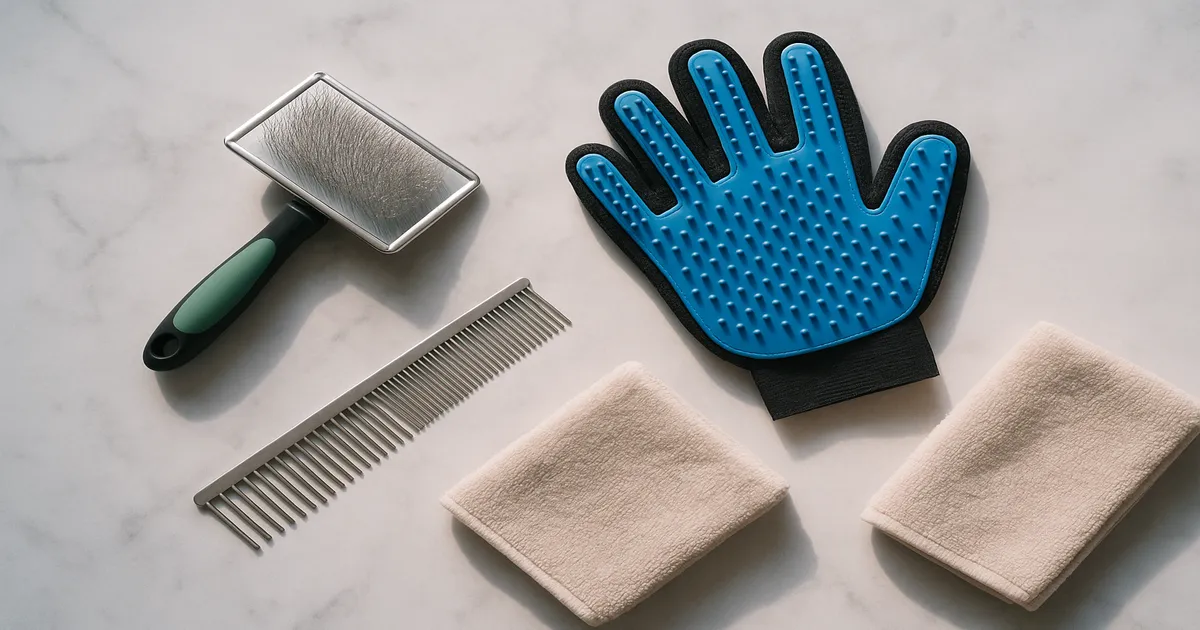
- Slicker brush — removes loose hair from the outer coat on both coat lengths
- Stainless steel comb — essential for detecting and removing mats in longhaired cats
- Deshedding tool — reaches deep into the undercoat; limit use to once per week to avoid coat damage
- Grooming glove — ideal for cats that resist traditional brushes; the massage sensation encourages cooperation
- Rubber curry brush — excellent for shorthaired coats and doubles as a relaxing massage
Bathing to Reduce Shedding
Scottish Folds aren’t typically water enthusiasts, but most can be acclimated to bathing with patience and positive reinforcement — treats, calm praise, and short sessions work well. Shorthaired cats do well bathed every 6–8 weeks; Highland Folds benefit from every 4–6 weeks to prevent matting and reduce undercoat buildup.
Always use a cat-specific, pH-balanced shampoo. Human shampoo disrupts the cat’s skin pH (6.2–7.2) and worsens shedding. A deshedding shampoo formulated with omega fatty acids can noticeably reduce loose fur between sessions. Dry your cat thoroughly after bathing — the dense coat traps moisture, and Scottish Folds can chill quickly.
Ear Cleaning
The folded ear anatomy reduces airflow, creating a warm, moist environment where wax, bacteria, and yeast thrive. Clean your Scottish Fold’s ears every 1–2 weeks using a veterinarian-approved ear cleaning solution applied to a cotton ball — never insert a cotton swab into the ear canal. (Virbac Epi-Otic Advanced Ear Cleaner)
Watch for dark discharge, odor, head shaking, or redness. These signal an infection that needs veterinary attention.
Nails, Eyes, and Teeth
Trim nails every 2–3 weeks, cutting only the clear tip and avoiding the pink quick. Because Scottish Folds are prone to joint pain that can reduce natural scratching behavior, their nails may overgrow faster than expected — check them regularly.
Wipe the corners of the eyes daily with a damp cloth to manage epiphora (excessive tearing), which is common in the breed’s round-faced structure. For dental hygiene, aim to brush teeth 2–3 times per week with cat-safe toothpaste — dental disease affects roughly 70% of cats by age 3, and it’s largely preventable.
Diet and Nutrition to Reduce Scottish Fold Shedding
Protein, Fatty Acids, and Key Nutrients
The coat is one of the first places nutritional deficiencies show up. Hair is made almost entirely of keratin (a protein), and the skin barrier depends on fatty acids, vitamins, and hydration to function properly. Look for foods where a named meat — chicken, turkey, salmon, duck — is the first ingredient, and aim for 30–40% protein on a dry matter basis.
Omega-3 fatty acids (EPA and DHA) reduce skin inflammation and strengthen the hair follicle. Omega-6 fatty acids support the skin’s moisture barrier. Good food sources include salmon, sardines, and chicken fat, but supplementation often makes a meaningful difference on top of a quality diet. Adding 500–1,000 mg of fish oil daily can improve coat shine and reduce loose fur within 4–6 weeks. Start at the lower end and increase gradually to avoid digestive upset.
Other key nutrients include biotin (supports keratin production), zinc (deficiency causes brittle coat), vitamin E (supports skin integrity), and taurine — an essential amino acid cats cannot synthesize in adequate amounts and must get from food.
Why Wet Food Matters
Cats have a naturally low thirst drive — they evolved to get most of their moisture from prey. Dry kibble provides only 8–10% moisture, while canned or fresh wet food delivers 60–80%. Feeding primarily wet food is one of the simplest, most impactful changes you can make for coat health. If your cat is reluctant to drink, a pet water fountain encourages higher intake through the appeal of moving water.
Health Issues That Cause Excessive Shedding in Scottish Folds
Osteochondrodysplasia and Grooming Decline
Every fold-eared Scottish Fold carries the Fd gene mutation responsible for osteochondrodysplasia (OCD) — abnormal cartilage and bone development that affects far more than the ears. Cats with this condition often develop painful arthritis in their ankles, knees, hips, and spine at a young age. When grooming hurts, cats stop doing it. The coat then deteriorates quickly, leading to increased shedding, matting, and an unkempt appearance. If your Scottish Fold seems reluctant to be touched or moves stiffly, pain management and more frequent owner-led grooming become essential — speak to your vet about appropriate options.
Hyperthyroidism
Hyperthyroidism is common in cats over 10 and often presents as a sudden, dramatic increase in shedding alongside weight loss despite a good appetite. The overactive thyroid accelerates the hair growth cycle, pushing follicles into the shedding phase too quickly. It’s a treatable condition, but it requires a veterinary diagnosis confirmed by bloodwork.
Skin Conditions: Ringworm, Allergies, and Mites
Ringworm produces circular patches of hair loss with a slightly scaly edge and is contagious to humans and other pets — it needs antifungal treatment, not just grooming. Feline allergic dermatitis causes itching, over-grooming, and diffuse thinning. Stress-induced psychogenic alopecia looks similar but has no physical skin cause; it’s a behavioral response to anxiety. A vet can distinguish between these with a skin scraping, fungal culture, or allergy workup.
Polycystic Kidney Disease and Systemic Illness
Scottish Folds have an elevated risk of polycystic kidney disease (PKD) inherited from British Shorthair lines, as well as hypertrophic cardiomyopathy (HCM). Both conditions affect overall health and eventually manifest in coat quality — a sick cat’s body diverts resources away from non-essential functions like hair growth. DNA testing is available for PKD, and annual echocardiograms are recommended after age 5.
When to See a Vet
Schedule a vet visit if you observe any of the following:
- Patchy bald spots or circular areas of hair loss
- Red, inflamed, flaky, or sore skin
- A sudden dramatic increase in shedding not tied to season
- Shedding accompanied by lethargy, weight loss, increased thirst, or appetite changes
- Excessive scratching, licking, or chewing at the skin
- Dark discharge, odor, or redness around the ears
Managing Shedding in Your Home
Keep a lint roller in every room — it’s the single most-used tool in a Scottish Fold household. Washable furniture covers and microfiber throws are far easier to deal with than upholstery full of embedded fur. Microfiber cloths pick up cat hair from hard surfaces better than dry dusting.
A HEPA air purifier near your cat’s favorite sleeping spots makes a noticeable difference in airborne dander and loose fur. Vacuum high-traffic cat areas every 2–3 days during shedding season using a vacuum with a pet-specific attachment. Hard floors are easier to manage than carpet, so consider area rugs that can be shaken out regularly.
Consistent daily routines reduce baseline stress significantly. Make sure your cat has access to safe hiding spots, vertical space, and quiet areas away from household chaos. When introducing a new pet or person, go gradually — rushed introductions are a common trigger for acute shedding episodes that can last weeks.
Frequently Asked Questions About Scottish Fold Shedding
Do Scottish Folds shed a lot compared to other cat breeds?
Yes. Scottish Folds are moderate-to-heavy shedders, significantly more so than single-coated breeds like the Siamese or Devon Rex. Their dense double coat — particularly the thick undercoat — is the primary reason. Among double-coated breeds, they shed comparably to Maine Coons and Norwegian Forest Cats.
What is the best brush for a shedding Scottish Fold?
For everyday use, a slicker brush removes loose surface hair effectively on both coat lengths. During heavy shedding periods, a deshedding tool like the FURminator reaches the undercoat where most of the volume originates — limit use to once per week to avoid coat damage. A stainless steel comb is essential for longhaired Highland Folds to catch mats before they tighten.
Can diet changes reduce how much my Scottish Fold sheds?
Absolutely. Switching from a dry kibble-heavy diet to high-quality wet food, ensuring adequate animal protein (30–40% dry matter basis), and adding 500–1,000 mg of fish oil daily can noticeably reduce shedding within 4–6 weeks. Results aren’t instant — give any dietary change at least a month before judging its impact.
Is it normal for a Scottish Fold to shed year-round?
Yes, year-round shedding is normal for the breed, especially in indoor cats exposed to artificial lighting. Without clear seasonal light cues, the coat never fully cycles between phases, so moderate shedding continues all year. Seasonal spikes in spring and fall are still common even in indoor cats.
At what age do Scottish Folds start shedding heavily?
Most Scottish Folds begin shedding noticeably around 6–12 months, when their adult double coat replaces the softer kitten coat. This transition can look alarming but is completely normal. Adult shedding levels typically stabilize by 12–18 months, though they will increase again during seasonal coat blows each year.