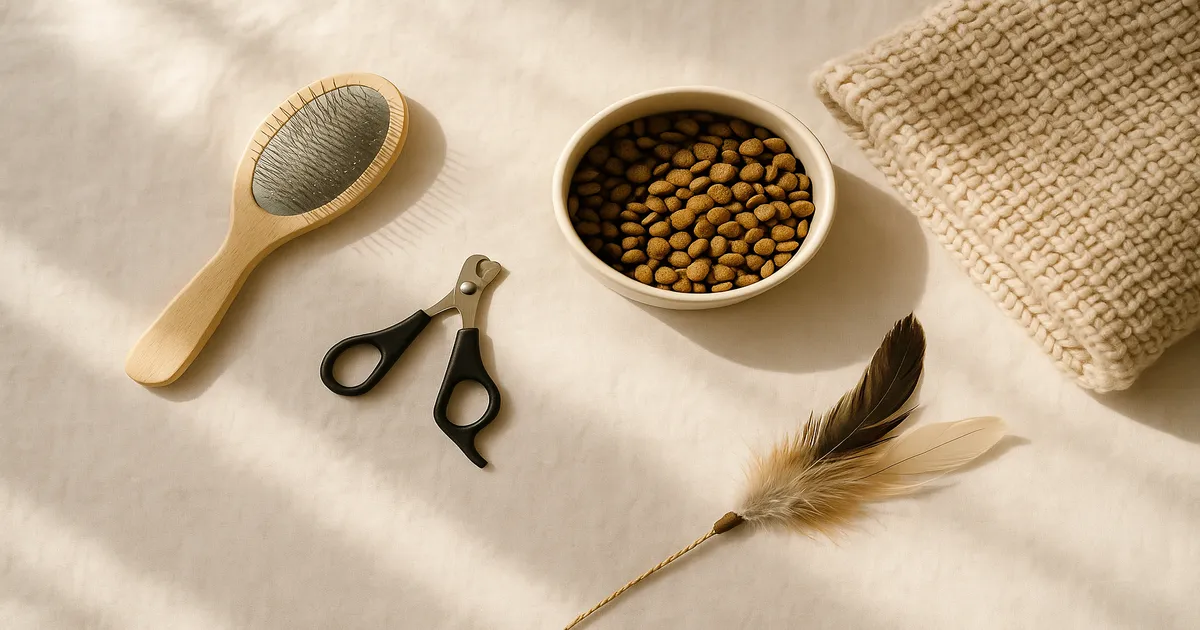
Quick Answer: Scottish Folds need moderate grooming, weekly ear cleaning, a high-protein diet, and 20–30 minutes of daily play. The most important thing to understand before getting one: every Scottish Fold carries a genetic mutation that affects cartilage throughout the entire body, making proactive veterinary care — not just cute photos — the real commitment of ownership.
Knowing how to take care of a Scottish Fold goes well beyond their irresistible round faces and folded ears. These cats are genuinely wonderful companions — calm, clever, and quietly devoted — but they carry a genetic health burden that every owner needs to understand before bringing one home.
Scottish Fold Cat Care: Quick Overview
At a Glance: Key Care Requirements
| Care Area | Requirement |
|---|---|
| Grooming | 1–2x/week (shorthair); 3–4x/week (longhair) |
| Ear cleaning | Every 1–2 weeks |
| Daily play | 20–30 minutes, split into two sessions |
| Diet | High-protein, wet food preferred |
| Vet visits | Annual wellness + breed-specific screenings |
| Lifespan | 11–15 years |
Is a Scottish Fold Right for You?
Scottish Folds suit owners who want a calm, adaptable companion and are prepared to be proactive — not reactive — about health care. They’re not high-drama cats, but they do require more veterinary monitoring than the average breed.
They’re a poor fit if you want a completely hands-off pet or aren’t prepared to manage a chronic joint condition. Go in with clear eyes, and a Scottish Fold can be an extraordinary companion.
Understanding the Scottish Fold Breed
Origin and History
The Scottish Fold traces back to 1961 and a single white barn cat named Susie, found on a farm in Perthshire, Scotland. Susie’s ears folded forward due to a spontaneous cartilage mutation. Shepherd William Ross acquired one of her kittens in 1963 and, working with geneticist Pat Turner, began a selective breeding program using British Shorthairs and American Shorthairs to build genetic diversity.
The Cat Fanciers’ Association (CFA) accepted the breed in 1973 and granted full championship status in 1978. Recognition is far from universal, however. The UK’s GCCF withdrew recognition as early as 1971, and Germany, Austria, and the Netherlands have imposed or are actively considering breeding bans due to welfare concerns.
Shorthair vs. Longhair (Highland Fold)
There are four main variants:
- Scottish Fold — classic shorthair with a dense, plush coat
- Highland Fold — longhair version with a silky coat, notable ruff, and tufted paws
- Scottish Straight — shorthair offspring with straight ears, same body type
- Highland Straight — longhair with straight ears
All four share the same round, “teddy bear” appearance. The Highland Fold simply requires more brushing.
The Fd Gene Mutation: What Every Owner Must Know
The folded ears aren’t just a cosmetic quirk — they’re a visible symptom of a mutation in the Fd gene that disrupts cartilage development throughout the entire body. This same mutation causes osteochondrodysplasia (OCD), a progressive skeletal disease that affects every Scottish Fold to some degree.
Cats with two copies of the gene (homozygous) develop the most severe disease and can become severely disabled. Responsible breeders always cross Fold × Straight-eared cats to avoid homozygous offspring — but even heterozygous cats (one copy) carry skeletal risk. There is no version of the Scottish Fold without this mutation.
Scottish Fold Temperament and Personality
Scottish Folds are placid, gentle cats. They’ll follow you from room to room and settle nearby without demanding attention — no yowling at the door or climbing your leg. They tend to bond closely with one or two people while staying friendly and relaxed with others. Their voices match their personalities: soft, melodic, and used sparingly.
A few behaviors you’ll notice quickly:
- The “Buddha pose” — sitting upright with legs extended and paws resting on their belly
- Sleeping flat on their backs with all four paws in the air
- Using their paws like hands to pick up toys and generally meddle
- Seeking out cool surfaces like tile or hardwood — which can signal joint discomfort rather than simple preference
Energy levels are moderate in kittenhood and mellow noticeably by age 3–4. They’re playful without being exhausting.
They adapt well to busy households when introductions are handled carefully. They’re tolerant of respectful children and calm dogs, but don’t do well with prolonged isolation. If you’re away for long hours regularly, a feline companion is worth serious consideration. Their above-average intelligence also makes them surprisingly trainable — clicker training, basic commands, and harness walking are all realistic with consistent positive reinforcement.
How to Take Care of a Scottish Fold: Exercise and Play
Daily Exercise Needs
Aim for 20–30 minutes of interactive play daily, split into two shorter sessions — morning and evening works well. This keeps them fit and engaged without putting excessive stress on their joints. Regular play also keeps weight in check, which matters enormously because excess weight accelerates joint pain.
Best Toys and Activities
- Wand and feather toys — encourage natural hunting behavior without high-impact jumping
- Laser pointers — great for short bursts; always end the session with a physical toy they can “catch”
- Fetch — many Scottish Folds genuinely enjoy retrieving small toys
- Puzzle feeders — excellent for mental stimulation and slowing down fast eaters (Trixie 5-in-1 Activity Center)
- Tunnel toys — encourage movement and exploration
- Window perches — bird-watching counts as enrichment
- Moderate-height cat trees — avoid very tall structures that require significant leaping
Rotate toys regularly to maintain novelty. Cat TV (videos of birds and fish) is a legitimate enrichment tool for solo hours.
Warning Signs of Joint Pain During Play
Stop play and consult your vet if you notice limping, a stiff tail that resists gentle movement, reluctance to jump onto furniture they previously used easily, swollen-looking paws or ankles, or a sudden drop in activity. These can all signal OCD progression. Early intervention significantly improves quality of life, even though there is no cure.
Grooming Your Scottish Fold
Brushing Schedule
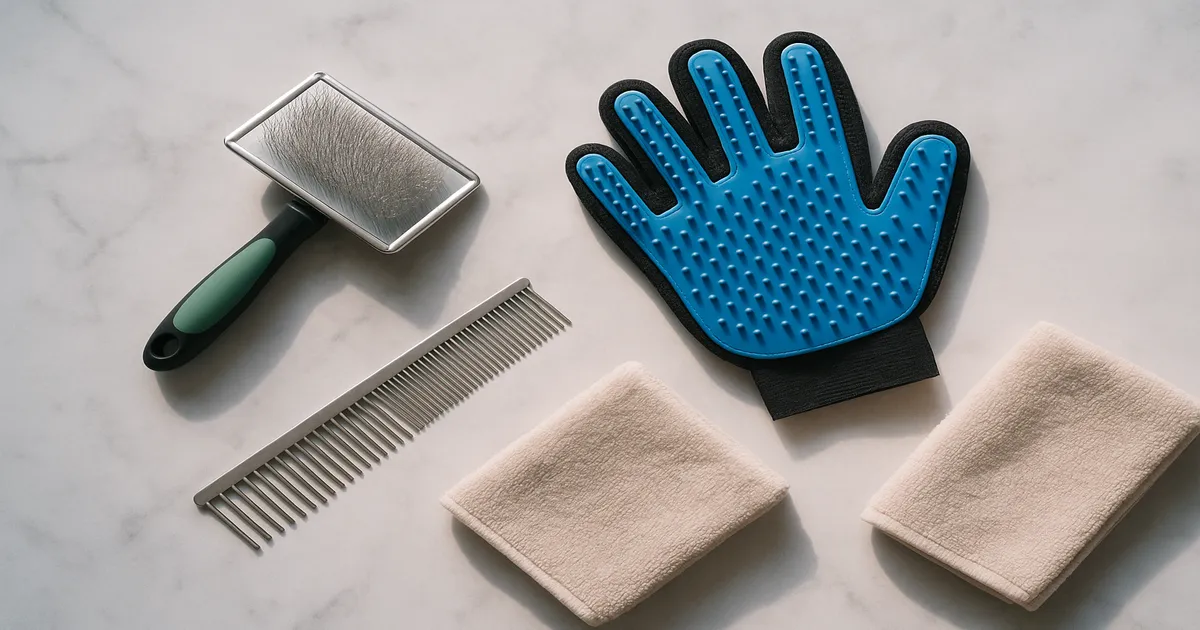
Shorthairs need brushing 1–2 times per week with a fine-toothed metal comb or soft slicker brush. Their dense coat is fairly low-maintenance but does shed seasonally.
Highland Folds need 3–4 times per week minimum, and daily brushing during spring and fall shedding seasons. A stainless steel grooming comb reaches the undercoat and prevents matting.
Ear Cleaning: The Most Critical Grooming Task for Scottish Folds
This is non-negotiable. The folded ear structure dramatically reduces airflow into the ear canal, creating warm, moist conditions that bacteria and yeast thrive in. Clean your Scottish Fold’s ears every 1–2 weeks.
How to do it:
- Apply a vet-approved ear cleaning solution to a cotton ball or gauze pad (Virbac Epi-Otic Advanced Ear Cleanser)
- Gently wipe the visible inner surface of the ear flap
- Never insert anything — including cotton swabs — into the ear canal
Watch for dark discharge, strong odor, head shaking, or redness. Any of these warrants a prompt vet visit.
Nails, Teeth, and Eyes
Nails: Trim every 2–3 weeks with cat-specific clippers, cutting only the clear tip and avoiding the pink quick. Keep styptic powder on hand for accidental nicks.
Teeth: Brush 2–3 times per week using cat-safe enzymatic toothpaste — never human toothpaste, as xylitol is toxic to cats. Periodontal disease affects roughly 70% of cats by age 3, so this habit pays off significantly over a lifetime.
Eyes: Wipe discharge from the inner corners daily with a damp cotton ball. Use a separate cotton ball for each eye to avoid cross-contamination. Persistent or colored discharge needs veterinary attention.
Scottish Fold Health: What Owners Need to Know
Osteochondrodysplasia (OCD)
Osteochondrodysplasia is not a rare complication in some Scottish Folds — it’s an inherent consequence of the Fd gene mutation in all of them. The World Small Animal Veterinary Association (WSAVA) advises against breeding Scottish Folds for this reason.
Clinical signs include a stiff or thickened tail, swollen paws, reluctance to move, and lameness. Symptoms can appear as early as 7 weeks in severely affected cats and typically become apparent between 6 months and 2 years. Diagnosis is via X-ray, which reveals abnormal bone fusion and cartilage calcification.
There is no cure. Management options include:
- Veterinary-prescribed NSAIDs for pain and inflammation
- Gabapentin for neuropathic pain
- Glucosamine and omega-3 supplements for joint support
- Environmental modifications: ramps to furniture, low-sided litter boxes, soft bedding
Ear Infections, PKD, and HCM
Ear infections are an elevated risk due to the breed’s anatomy. Regular cleaning and biannual ear exams help catch problems early.
Polycystic kidney disease (PKD) entered the breed through British Shorthair crossbreeding and affects an estimated 36–49% of that foundation stock. A DNA test for the PKD1 mutation is available and should be performed on all breeding cats. Symptoms — increased thirst, weight loss, vomiting — often don’t appear until significant kidney damage has occurred, making ultrasound screening from around 10 months of age valuable.
Hypertrophic cardiomyopathy (HCM) is the most common feline heart disease overall, and Scottish Folds have elevated risk. Annual echocardiograms are recommended for breeding cats; every 1–2 years for pets.
Recommended Screening Schedule
| Screening | Frequency |
|---|---|
| Annual wellness exam | Yearly |
| Radiographs (OCD assessment) | At 1–2 years, then as needed |
| Echocardiogram (HCM) | Every 1–2 years |
| PKD DNA test | Once (breeding cats) |
| Blood panel + urinalysis | Annually after age 7 |
| Dental exam | Annually |
| Ear examination | Every 6 months minimum |
Feeding and Nutrition
What to Feed a Scottish Fold
Cats are obligate carnivores, and Scottish Folds do best on a high-protein, moderate-fat, low-carbohydrate diet. Wet or canned food is the preferred foundation — its 70–80% moisture content actively supports kidney health, which is especially relevant given PKD risk. Look for a named meat (chicken, turkey, salmon) as the first ingredient and avoid foods padded with corn, wheat, soy, or artificial preservatives.
Dry kibble isn’t off the table, but it works better as a supplement than a sole diet. All food should carry AAFCO certification as “complete and balanced” for your cat’s life stage.
Portion Control and Key Nutrients
Scottish Folds have moderate energy levels and a genuine enthusiasm for food — a combination that makes weight gain a real risk. Obesity directly worsens OCD joint pain, so keeping your cat lean is one of the most impactful things you can do for their long-term comfort. You should be able to feel (but not see) your cat’s ribs.
Key nutrients to prioritize:
- Taurine — essential for heart and eye health; any AAFCO-certified food will include it
- Omega-3 fatty acids — anti-inflammatory and directly supportive of joint health; fish oil is a practical addition (Zesty Paws Pure Wild Alaskan Salmon Oil)
- Glucosamine — supports cartilage health; available in supplement form or in some joint-support cat foods (Cosequin for Cats)
How to Take Care of a Scottish Fold at Home: Environment and Enrichment
Indoor Setup
Scottish Folds should live indoors. Their health vulnerabilities make outdoor roaming a genuine risk, but they adapt contentedly to indoor life when the environment is set up thoughtfully. Accommodate potential joint issues from the start:
- Ramps or pet steps to sofas and beds, so jumping isn’t required
- Low-sided litter boxes that don’t require climbing over a high wall
- Moderate-height cat trees rather than floor-to-ceiling towers
- Cool resting surfaces — tile and hardwood are naturally appealing and may help with joint comfort
Mental Enrichment and Companionship
Short daily training sessions (5–10 minutes) serve double duty: mental exercise and bonding. Rotate toys weekly so nothing feels stale. Window perches positioned near bird feeders are endlessly entertaining and require zero effort from you.
Harness and leash training is a genuinely good option for this breed — it provides outdoor stimulation without the risks of free roaming. Start with harness desensitization indoors before attempting outdoor walks.
If you work full-time or travel regularly, a second cat is worth serious consideration. A calm, similarly-tempered companion — another Scottish Fold, a British Shorthair, or a relaxed rescue — can make a meaningful difference in their quality of life. Introduce cats gradually using scent swapping and separate spaces before allowing direct contact.
Frequently Asked Questions
Are Scottish Fold cats high maintenance?
Moderate maintenance is the honest answer. Grooming is manageable — 1–2 times a week for shorthairs, more for longhairs — and they’re easygoing personalities. The elevated maintenance comes from health care: ear cleaning every 1–2 weeks, regular vet screenings for OCD, HCM, and PKD, and proactive joint management as they age.
How often should you clean a Scottish Fold’s ears?
Every 1–2 weeks — more frequently than most breeds require. The folded ear structure limits airflow, creating conditions that favor bacterial and yeast growth. Use a vet-approved cleaning solution on a cotton ball and never insert swabs into the ear canal. Dark discharge, odor, or persistent scratching at the ears means a vet visit, not more aggressive cleaning.
Do all Scottish Fold cats have joint problems?
Yes, to some degree. The Fd gene mutation that causes the folded ears affects cartilage development throughout the entire body. All Scottish Folds carry some degree of skeletal risk; homozygous cats develop the most severe disease. Severity varies widely, but there is no version of the breed that is genetically free of osteochondrodysplasia.
What should I feed my Scottish Fold?
A high-protein, low-carbohydrate diet with wet or canned food as the primary component. The high moisture content of wet food supports kidney health — important given this breed’s PKD risk. Choose foods with a named meat as the first ingredient and AAFCO certification for your cat’s life stage.
Can Scottish Folds be trained?
Yes, more readily than many people expect. Their above-average intelligence makes them responsive to clicker training and positive reinforcement. Basic commands like sit and high-five, fetch, and harness walking are all realistic goals. Keep sessions short — 5 to 10 minutes — and always end on a success.