Quick Answer: Yes, you can absolutely train a Chihuahua to be disciplined and well-behaved — thousands of owners already have. The key isn’t the breed; it’s consistency, positive reinforcement, and early socialization. Chihuahuas that seem “untrainable” almost always reflect an owner problem, not a dog problem.
If you’ve ever wondered does anyone have a disciplined and well-behaved Chihuahua, and is it even possible to train one, the answer is a confident yes — with one important caveat. The dog you get is largely the dog you create. Chihuahuas have an undeserved reputation for being little terrors, but that reputation says more about how they’re typically handled than about the breed itself.
Can You Really Train a Chihuahua to Be Well-Behaved?
Why Chihuahuas Get an Unfair Reputation
The problem isn’t the Chihuahua — it’s that people treat small dogs differently. A German Shepherd that jumps on guests gets corrected immediately. The same behavior from a 5-lb dog gets laughed off, or worse, rewarded with attention. Over months and years, that inconsistency compounds into the snappy, barky, velcro-dog stereotype that gives the breed a bad name.
A 2010 study published in Applied Animal Behaviour Science found that small dog owners reported higher rates of aggression and anxiety in their pets — but the data pointed to owner behavior patterns like less rule enforcement and more coddling, not breed-specific traits.
What Real Owners Say
Spend any time in Chihuahua owner communities and a consistent theme emerges: the owners with calm, obedient dogs started training early, kept rules consistent, and never made exceptions. One owner put it simply — “I treated her like I would a Lab, and she acts like one.” That’s really the whole secret.
Understanding the Chihuahua: Breed History and Temperament
From the Techichi to the Modern Chihuahua
The Chihuahua is one of the oldest dog breeds in the Americas, descended from the Techichi — a small companion dog kept by the Toltec civilization around 900–1168 CE and later revered by the Aztecs. Archaeological evidence places ancestral dogs in the region as far back as 300 BCE. The modern Chihuahua took shape in the mid-1800s, refined largely in the United States after American traders discovered them near the Mexican border in the 1880s.
This history matters for training. The Chihuahua is an ancient companion breed built for closeness with humans and high environmental alertness — not for herding or retrieving on command. That context explains a lot about how they think and what motivates them.
Breed Standards at a Glance
The AKC first registered a Chihuahua in 1904, placing the breed in the Toy Group. The official breed standard sets a maximum weight of 6 lbs (2.7 kg), with height typically falling between 5–8 inches (12.7–20.3 cm) at the shoulder. The standard recognizes two coat types — smooth and long — and one head type: the apple head, with its rounded, dome-shaped skull and short muzzle. The deer head variant (flatter skull, longer snout) is common in the general population but doesn’t meet show standards. Both are healthy; the distinction is mostly cosmetic.
One term worth treating with caution: “teacup” Chihuahua. It’s a marketing label, not a recognized variety. Dogs bred to fall below roughly 3 lbs carry significantly higher health risks and are best avoided.
Temperament: What You’re Really Dealing With
Chihuahuas are bold, alert, and completely unaware of their own size. They will square up to a Rottweiler without hesitation. This confidence is a core breed trait — not aggression, not fear, just an unwavering sense of self. Channeled through training, that confidence becomes an asset. Left unchecked, it becomes a problem.
They also bond intensely, usually latching onto one or two people and following them everywhere. That deep loyalty makes them highly motivated to please, which is genuinely useful in training. The flip side is a real vulnerability to separation anxiety when the bond isn’t managed thoughtfully.
Emotionally, Chihuahuas are sensitive and perceptive. They pick up on tension and frustration fast — and respond to it. Raise your voice during a training session and you’ll likely get a shutdown or a defensive snap, not compliance. This is a breed that requires calm, patient consistency, not force.
Is the Chihuahua Smart Enough to Train?
Stanley Coren ranked Chihuahuas 67th out of 138 breeds in The Intelligence of Dogs — in the “fair working/obedience intelligence” tier. That sounds discouraging until you understand what the ranking actually measures: performance in formal obedience trials, which favor breeds historically selected for handler compliance. It tells you almost nothing about how smart a Chihuahua is in daily life.
Where Chihuahuas genuinely excel is adaptive intelligence — reading human cues, solving problems, and learning from context. Many owners report their dogs anticipating commands before they’re given or figuring out household routines within days. That’s not a dumb dog; that’s a dog paying very close attention.
The practical upside: Chihuahuas are typically highly food motivated, making treat-based training very effective. The practical limitation: their attention span is short. Keep sessions to 5–10 minutes and end on a success. Two or three short sessions per day will outperform one long, frustrating one every time.
With consistent training, Chihuahuas routinely master basic obedience (sit, stay, come, down, leave it), fun tricks (spin, shake, roll over, wave), and even advanced skills like agility and off-leash recall.
How to Train a Disciplined and Well-Behaved Chihuahua
Start Early: Socialization Is Non-Negotiable
The socialization window runs from roughly 3 to 14 weeks of age, and what happens during that window shapes behavior for life. Expose your puppy to as many people, dogs, sounds, surfaces, and environments as safely possible. A puppy that meets 100 different people before 14 weeks is far less likely to become a fear-reactive adult. Missing this window doesn’t doom you — adult socialization is still valuable — but it requires more patience and time.
Positive Reinforcement: The Only Method That Works Long-Term
With Chihuahuas, positive reinforcement isn’t just the best approach — it’s really the only one that works reliably. Punishment-based methods trigger defensive responses in emotionally sensitive dogs, and once a Chihuahua decides training is scary, you’ve created a much bigger problem than you started with.
The formula is simple:
- Ask for the behavior.
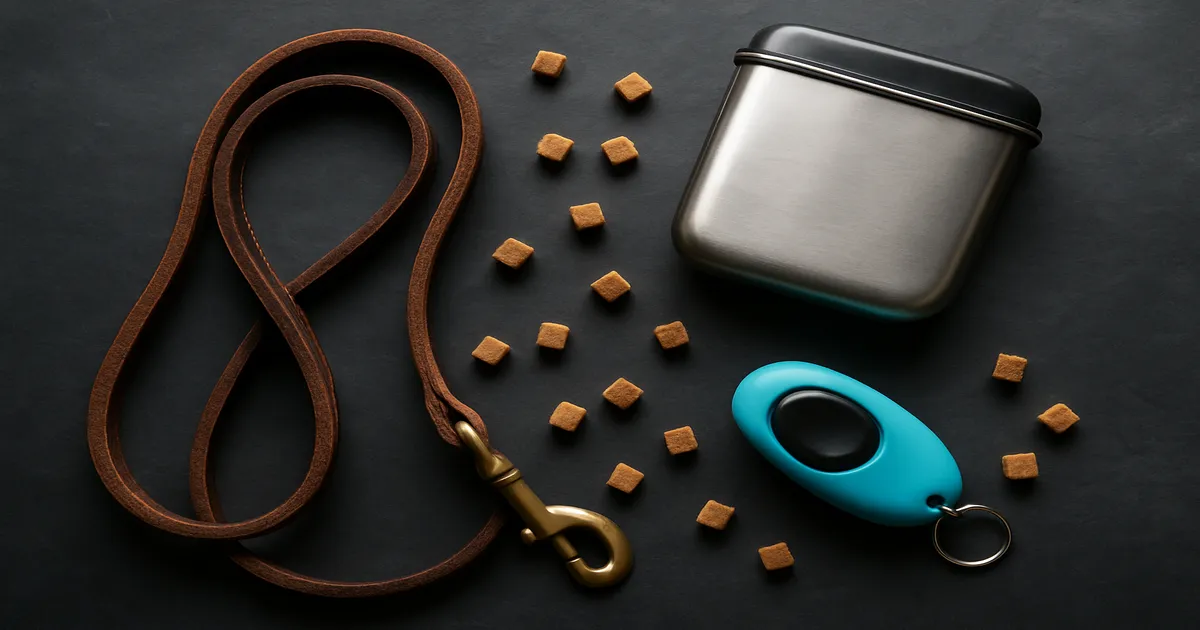
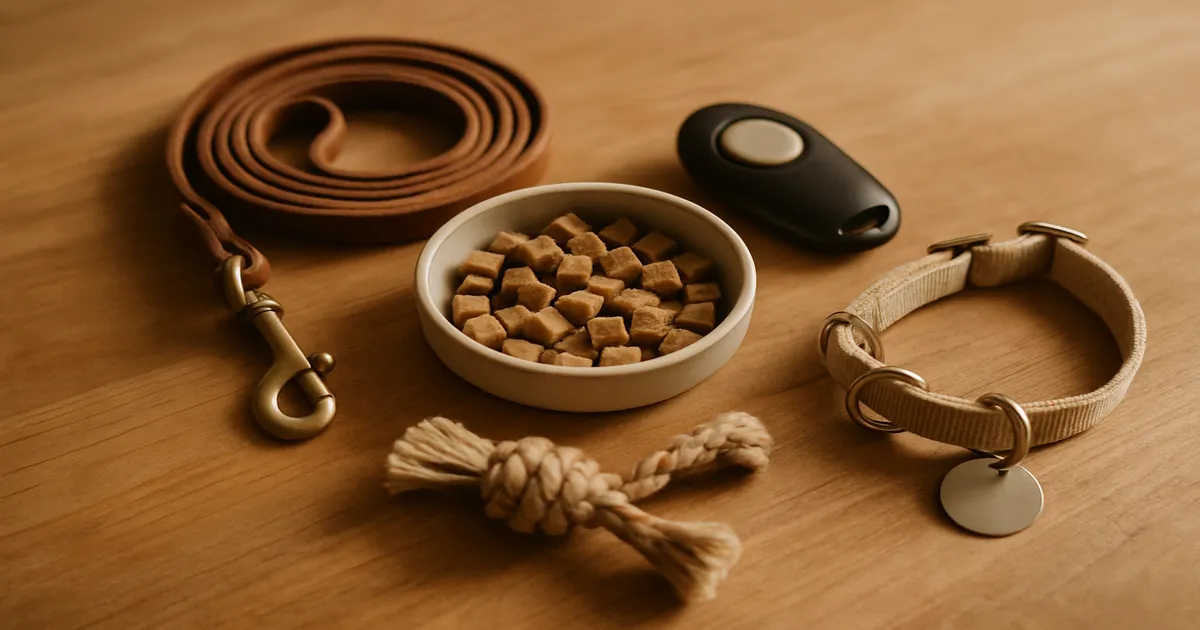
- Mark the moment it happens with a training clicker or a clear verbal “yes.”
- Reward immediately with a high-value treat.
- Repeat, then gradually add duration, distance, and distraction.
Use tiny, pea-sized treats so you can reward frequently without overfeeding a 5-lb dog.
Consistency Is Everything
If your Chihuahua is allowed on the couch on weekends but not weekdays, expect confusion and testing. Every person in the household must enforce the same rules, every time. One family member who slips the dog food from the table can undo weeks of progress. Dogs thrive on predictability — consistency isn’t harsh, it’s kind.
Crate Training and Safe Spaces
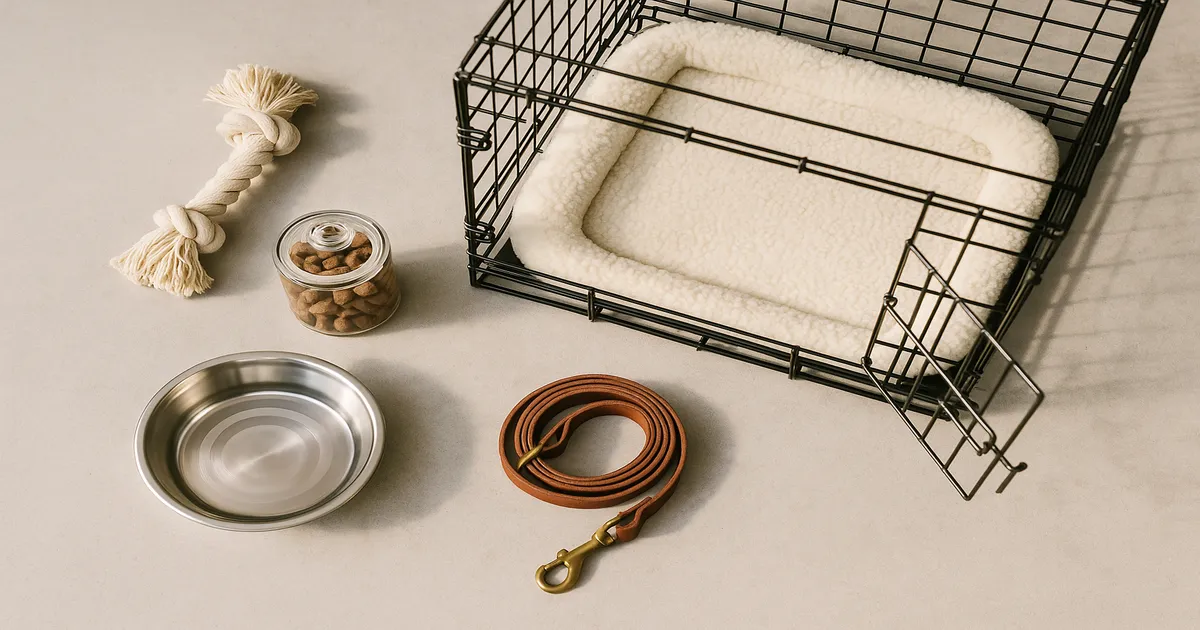
A crate isn’t a punishment — it’s a den. Introduced properly, most Chihuahuas come to love it as a quiet retreat. Start by feeding meals near the crate, then inside it with the door open. Close the door briefly while you’re present, then extend the duration gradually. Never use the crate as punishment. A crate-trained Chihuahua has a safe space when the household is chaotic, travels more calmly, and is far easier to manage during vet visits or emergencies.
Managing Excessive Barking
Chihuahuas bark — that’s reality. But incessant barking is a trained behavior, even if you didn’t mean to train it. Every time you gave attention (even negative attention) to barking, you reinforced it.
The fix: ignore attention-seeking barking entirely. The moment your dog is quiet, reward immediately. You can also teach a “quiet” cue by waiting for a natural pause, saying “quiet,” then rewarding the silence. Address the trigger where possible — if your dog barks at window activity, manage access to the window during training. Consistency is everything here; caving on the tenth bark teaches your dog that persistence pays off.
Preventing and Addressing Separation Anxiety
Start leaving your Chihuahua alone for very short periods from day one — even just stepping outside for two minutes — and build duration gradually. Keep departures and arrivals low-key; big emotional goodbyes create big emotional responses. A puzzle feeder (KONG Classic Dog Toy) and a worn piece of your clothing can make alone time significantly more manageable. If anxiety is already severe, consult a certified applied animal behaviorist — this is one area where professional guidance pays off quickly.
Exercise, Mental Stimulation, and Good Behavior
A tired Chihuahua is a well-behaved Chihuahua. Unmet energy is one of the primary drivers of problem behavior in this breed.
- Adults (1–7 years): 30–45 minutes per day, split into two sessions
- Seniors (8+ years): 20–30 minutes per day, adjusted for joint comfort
- Puppies: 5 minutes of structured exercise per month of age, twice daily (a 3-month-old gets 15 minutes per session, maximum)
Always walk your Chihuahua on a dog harness, not a collar. Their tracheas are fragile, and collar pressure can cause serious damage — especially in a dog that pulls or lunges. A well-fitted step-in or vest-style harness distributes pressure safely across the chest.
Mental stimulation matters just as much as physical activity. A 20-minute sniff walk does more for your Chihuahua’s brain than a 20-minute power walk. Nose work, scent games, and snuffle mats tap into deeply satisfying instincts and tire dogs out fast. Puzzle feeders at mealtimes replace a boring bowl with a 10-minute mental workout.
For structured activity, agility is a standout choice — Chihuahuas are fast, nimble, and love the challenge, and many compete successfully at AKC trials.
Grooming a Well-Behaved Chihuahua
Teaching your Chihuahua to tolerate grooming calmly is itself a training exercise — and a real demonstration of discipline.
Smooth coats need a quick brush once or twice a week and a bath every 4–6 weeks. Long coats require brushing two to three times weekly (daily during shedding season) with a pin or slicker brush , and bathing every 3–4 weeks. Always dry a long-coat Chihuahua thoroughly after bathing; they lose body heat rapidly when wet.
Trim nails every 3–4 weeks — if you hear clicking on hard floors, they’re overdue. Check ears weekly and clean monthly with a vet-approved solution. Wipe eye discharge daily with a damp cloth; their large, prominent eyes are prone to irritation.
Dental care is the most important grooming task and the one most owners skip. Dental disease is one of the top health concerns in the breed — small mouths, crowded teeth, and a lifespan of up to 20 years create a perfect storm for tartar buildup and tooth loss. Brush teeth daily, or at minimum three to four times per week, using an enzymatic dog toothpaste. Supplement with VOHC-approved dental chews and plan on annual professional cleanings starting around age 2–3.
Start grooming desensitization early: touch paws, ears, and the muzzle during calm moments and reward generously. Introduce tools gradually, pairing them with treats before you ever use them. Short sessions and lots of praise will get you to a dog that cooperates rather than fights you.
Health Issues That Affect Training and Behavior
Patellar Luxation
Patellar luxation — where the kneecap slips out of place — is common in the breed. A dog in joint pain may refuse to sit on hard floors, seem “stubborn” about certain commands, or become snappy when touched. If your Chihuahua suddenly resists behaviors it previously performed willingly, rule out pain before assuming a training problem.
Tracheal Collapse
The Chihuahua’s narrow trachea can partially collapse under pressure, worsened significantly by collar use. A coughing, gagging dog cannot focus on training. A properly fitted harness is essential, not optional.
Hypoglycemia in Puppies
Very young Chihuahua puppies are prone to low blood sugar, especially during activity or excitement. A puppy that suddenly becomes lethargic or wobbly during a training session may be crashing — not being difficult. Keep sessions short, offer small treats frequently, and ensure puppies eat regular small meals throughout the day.
Dental Disease and Behavior
A dog with infected teeth is a dog in chronic pain. That pain shows up as food refusal, irritability, reluctance to pick up toys, and general grumpiness that can easily be mistaken for stubbornness. Dental care isn’t just about fresh breath — it’s directly connected to your dog’s ability and willingness to engage in training.
Frequently Asked Questions About Training a Well-Behaved Chihuahua
Can you train an older Chihuahua, or is it too late?
It’s never too late. The saying “you can’t teach an old dog new tricks” is simply wrong. Adult and senior Chihuahuas can absolutely learn new behaviors — it may just require a bit more repetition and patience. The fundamentals are the same: short sessions, positive reinforcement, and consistency.
How long does it take to train a Chihuahua?
Basic commands like sit, stay, and come can be reliably learned within a few weeks of consistent daily practice. More complex behaviors — reliable off-leash recall, calm greetings with strangers — take months of reinforcement. Think of training as an ongoing relationship, not a finite project.
Why does my Chihuahua listen sometimes but not others?
Inconsistency is almost always the cause. If the rules change depending on who’s in the room, what mood you’re in, or how tired you are, your dog is responding rationally to an unpredictable environment. Audit your own consistency before assuming the dog is being stubborn.
Is a Chihuahua a good choice for a first-time dog owner?
Yes, with realistic expectations. Chihuahuas are manageable in size and cost, but they require just as much training and structure as any larger breed. First-time owners who treat them like small dogs that don’t need rules tend to struggle. First-time owners who commit to consistent training tend to be very happy with the breed.
Do Chihuahuas do well with children?
It depends on the child and the dog. Chihuahuas can be excellent with calm, respectful older children. They are generally not recommended for households with toddlers or very young children, primarily because of the size mismatch — an accidental fall or rough handling can injure a 5-lb dog, and a frightened Chihuahua may snap in self-defense. Supervision and teaching children how to interact with dogs appropriately are essential.