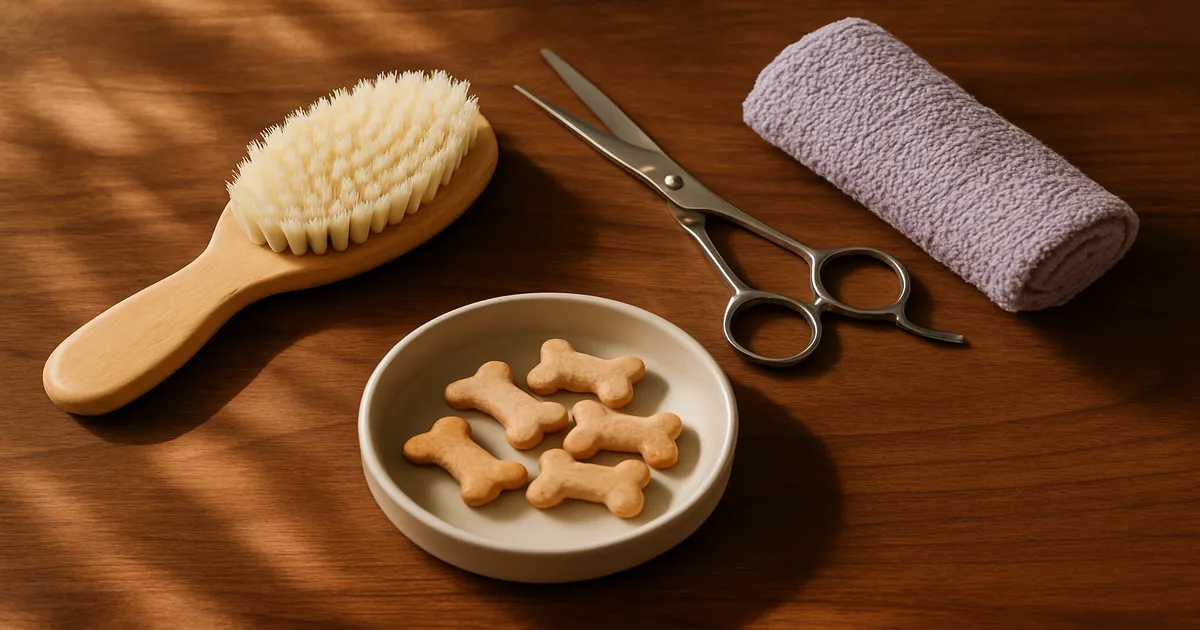
Quick Answer: Grooming anxiety affects an estimated 20–40% of dogs. It stems from the fact that modern grooming — restraint, loud tools, unfamiliar handling — has no natural equivalent in canine behaviour. The most effective approach combines three pillars: desensitising your dog to grooming stimuli before sessions begin, creating a calm environment, and keeping sessions short and reward-based so they always end before your dog hits their stress limit.
If you’re trying to figure out how to groom a super anxious dog, you’ve probably already experienced the panting, the trembling, or the snapping that makes a simple brush-out feel like a battle. The good news is that grooming anxiety is manageable — and for many dogs, it’s significantly reversible with the right approach. This guide covers why anxiety happens, how to read your dog’s stress signals, and a practical step-by-step protocol that actually works.
Why Anxious Dogs Struggle With Grooming
The Evolutionary Reason Grooming Feels Threatening
Dogs were domesticated from wolves somewhere between 15,000 and 40,000 years ago. While social grooming exists in canine culture, nothing in that evolutionary history prepared them for clippers, nail grinders, dryers, and strangers restraining their limbs. Modern grooming is entirely a human invention — and for many dogs, it registers as a genuine threat rather than routine maintenance.
Grooming anxiety isn’t a character flaw or a sign of a badly behaved dog. It’s a learned or sensitised response to handling, noise, and restraint that feels biologically alarming.
Breeds Most Prone to Grooming Anxiety
Any dog can develop grooming anxiety, but certain types are more commonly affected:
- Herding breeds (Border Collies, Australian Shepherds): High sensory sensitivity makes clippers and dryers overwhelming
- Toy breeds (Chihuahuas, Shih Tzus, Maltese): Small body size makes restraint feel especially threatening
- Rescue dogs: An estimated 70% of shelter dogs show some form of anxiety behaviour — unknown trauma histories make grooming unpredictable
- Brachycephalic breeds (Bulldogs, Pugs): Respiratory stress compounds anxiety on grooming tables
- Double-coated Nordic breeds (Huskies, Samoyeds): Long, intensive sessions are physically and mentally exhausting
- Sighthounds (Greyhounds, Whippets): Thin skin and low body fat make handling genuinely uncomfortable
Situational vs. Generalised Anxiety
A dog with situational grooming anxiety is stressed specifically by grooming triggers — the sight of clippers, being lifted onto a table, having their paws handled. Between sessions, they’re perfectly fine. A dog with generalised anxiety disorder is in a near-constant state of low-level stress, and grooming just tips them over the edge.
The distinction matters because management strategies differ. Situational anxiety responds well to the desensitisation protocol below. Generalised anxiety often requires veterinary support alongside behaviour modification.
How to Read Your Dog’s Stress Signals
Early Warning Signs You Should Never Ignore
Norwegian trainer Turid Rugaas identified a range of “calming signals” — subtle behaviours dogs use to communicate discomfort. During grooming, watch for:
- Yawning (outside of a tiredness context)
- Lip licking or tongue flicks
- Looking away or turning the head
- Whale eye (showing the whites of the eyes)
- Tucked tail or lowered body posture
These are early-stage signals. They’re easy to miss, but catching stress here lets you slow down before things escalate.
The Anxiety Escalation Scale
| Stage | Signals |
|---|---|
| Low stress | Yawning, lip licking, whale eye, looking away, tucked tail |
| Moderate stress | Panting (not heat-related), trembling, trying to escape, excessive shedding |
| High stress | Growling, snapping, biting, complete freeze or shutdown, loss of bladder or bowel control |
Once your dog reaches the moderate stage, productive grooming is largely over for that session. At high stress, it’s dangerous — and counterproductive.
Freeze vs. Fight: Understanding Shutdown
Both freezing and fighting signal the same thing: your dog is over threshold. A dog that goes completely still isn’t being cooperative — they’ve likely entered a state of learned helplessness, which is just as serious as active aggression. Cortisol actively impairs learning by interfering with memory consolidation, which means a dog in either state cannot form new positive associations. Training and grooming must happen below the anxiety trigger point, not through it.
Pre-Grooming Preparation
Exercise and Mental Stimulation
Exercise activates the parasympathetic nervous system post-exertion — the “rest and digest” state that lowers baseline arousal. A physically and mentally tired dog simply has less capacity for reactive anxiety.
| Dog Size | Weight | Activity | Duration |
|---|---|---|---|
| Toy/Small | Under 20 lbs (9 kg) | Brisk walk or indoor play | 20–30 min |
| Medium | 20–50 lbs (9–23 kg) | Leash walk, fetch, sniff walk | 30–45 min |
| Large | 50–90 lbs (23–41 kg) | Run, swim, active play | 45–60 min |
| Giant | Over 90 lbs (41 kg) | Moderate walk (joint-conscious) | 30–45 min |
High-energy breeds like Border Collies may need 90+ minutes before their arousal level is workable. Senior dogs and brachycephalic breeds should stick to gentle, slow-paced activity. One important caution: don’t groom immediately after vigorous exercise. Allow 20–30 minutes for your dog to return to baseline first.
Sniff Walks and Puzzle Feeders
A 2019 study by Duranton and Horowitz (Applied Animal Behaviour Science) found that sniff walks — where dogs follow their nose freely rather than walk to heel — reduce cortisol more effectively than structured walks. It’s genuinely calming, not just a nice indulgence.
Puzzle feeders used 30–60 minutes before grooming shift your dog’s brain into a reward-seeking state rather than a threat-scanning one. A Kong Wobbler or similar slow-feeder toy (Kong Classic Wobbler) works well here. That mental posture is exactly where you want them when grooming begins.
How to Groom a Super Anxious Dog: The 4-Week Desensitisation Protocol
What Desensitisation and Counter-Conditioning Mean
Desensitisation means gradually exposing your dog to grooming stimuli at a level too low to trigger anxiety. Counter-conditioning means pairing those stimuli with something genuinely wonderful, so the emotional association shifts from “threat” to “good things happen here.”
Use high-value rewards: real chicken, cheese, or peanut butter — not kibble. The reward needs to be significant enough to compete with the anxiety response. This approach aligns with the Fear Free certification programme and the LIMA (Least Invasive, Minimally Aversive) framework used by veterinary behaviour professionals.
Week 1: Tools and Touch, No Pressure
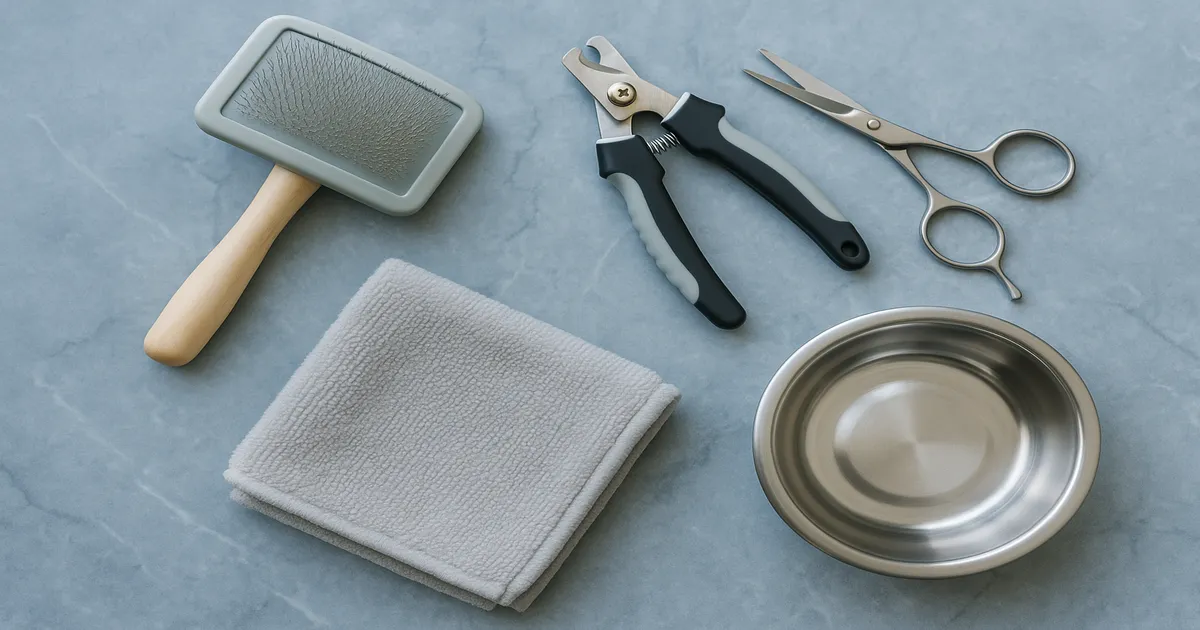
- Place grooming tools on the floor and reward your dog for approaching voluntarily — don’t push tools toward them
- Briefly touch their paws, ears, and muzzle (2–3 seconds each), then immediately reward
- Run clippers or a dryer in another room at low volume while giving treats for calm behaviour
Keep each session under 5 minutes. The goal is zero anxiety, not maximum progress.
Week 2: Handling and Equipment Tolerance
- Touch tools to your dog’s body without using them; reward after each contact
- Handle paws for 10–15 seconds; briefly introduce a nail file touching (not filing) each nail
- Move clippers or dryer into the same room; continue rewarding calm responses
Week 3: Short Brushing and Nail Introduction
- Brush 3–5 strokes, reward, and stop — before any sign of discomfort
- Touch nail clippers to each nail without clipping; reward generously
- Bring the running clipper or dryer progressively closer while rewarding calm behaviour
Week 4: First Real Grooming Tasks
- Complete 2–3 minute brushing sessions with continuous rewards throughout
- Clip 1–2 nails only, then stop and reward
- Introduce lukewarm water on paws during a brief bath introduction
Progress is non-linear. Some dogs move through this in four weeks; others need four weeks per stage. Go at your dog’s pace, not yours.
Setting Up a Low-Stress Grooming Environment
Temperature, Lighting, and Non-Slip Surfaces
Keep your grooming area at 68–72°F (20–22°C). Cold rooms increase physical tension; overheated rooms trigger stress panting. Use soft, diffused lighting rather than harsh overhead bulbs.
Non-slip surfaces are non-negotiable. Fear Free research shows that dogs on slippery surfaces produce significantly higher cortisol responses. A rubber bath mat — such as a Gorilla Grip Original Shower Mat (Gorilla Grip Original Shower Mat) — on your grooming table or bathroom floor makes a real difference.
Sound Management
Dr. Deborah Wells’ 2002 research demonstrated that classical music reduces stress behaviours in dogs. Through a Dog’s Ear — a bioacoustic music series designed for the canine nervous system — is clinically validated and worth using during sessions.
For clippers, choose low-vibration professional models. The Andis ProClip AG2 and the Wahl Bravura are both widely recommended by Fear Free groomers for their quieter operation. Keep background household noise to a minimum — loud TV, children running in, other dogs barking — all of these add to your dog’s arousal load.
Calming Scents and Pheromone Products
Lavender and chamomile have documented mild anxiolytic effects in dogs. More significantly, Adaptil (DAP — Dog Appeasing Pheromone) diffusers and sprays are clinically supported for reducing anxiety (Gaultier et al., 2005). Adaptil mimics the pheromone nursing mothers produce and can meaningfully lower baseline stress in the grooming space. Plug in an Adaptil Calm Home Diffuser (Adaptil Calm Home Diffuser) in the room 30 minutes before you begin.
Calming Aids, Supplements, and Veterinary Options
Physical Calming Aids
TTouch (Tellington Touch), developed by Linda Tellington-Jones, uses small circular movements on the skin to activate the nervous system’s calming response. It’s used by veterinary professionals and Fear Free groomers worldwide.
The ThunderShirt applies gentle, constant pressure similar to swaddling. A 2013 study in the Journal of Veterinary Behavior found it reduced anxiety-related behaviours in roughly 80% of dogs tested. It won’t work for every dog, but it’s low-risk and worth trying.
Over-the-Counter Calming Supplements
Always consult your vet before starting any supplement. The most evidence-backed options include:
- Zylkene (alpha-casozepine, derived from hydrolysed milk protein): Shown to reduce anxiety in approximately 70% of dogs in clinical trials
- Composure (L-theanine, B vitamins, colostrum): Widely used and generally well tolerated
- Solliquin (L-theanine, magnolia/phellodendron): Veterinary-recommended for situational anxiety
- CBD oil: Emerging evidence exists, but dosing and product quality vary significantly — discuss with your vet before using
When to Talk to Your Vet
For dogs with severe grooming anxiety, prescription options can make behaviour modification possible where it otherwise wouldn’t be:
- Trazodone: Given 1.5–2 hours before grooming; one of the most commonly prescribed situational anxiety medications
- Gabapentin: Particularly useful for dogs who are touch- and noise-sensitive
- Sileo (dexmedetomidine oromucosal gel): FDA-approved for noise aversion; sometimes used off-label for grooming anxiety
- Benzodiazepines (alprazolam, diazepam): Short-acting; reserved for severe cases
Why Acepromazine Is No Longer Recommended
Acepromazine causes chemical restraint — the dog cannot move but remains fully aware of, and frightened by, everything happening to them. Most veterinary behaviourists now consider this approach harmful, as it can entrench and worsen long-term anxiety. If your vet recommends “ace” for grooming, it’s worth asking specifically about the alternatives listed above.
Step-by-Step Grooming Techniques for Anxious Dogs
Brushing: Tool Selection by Coat Type
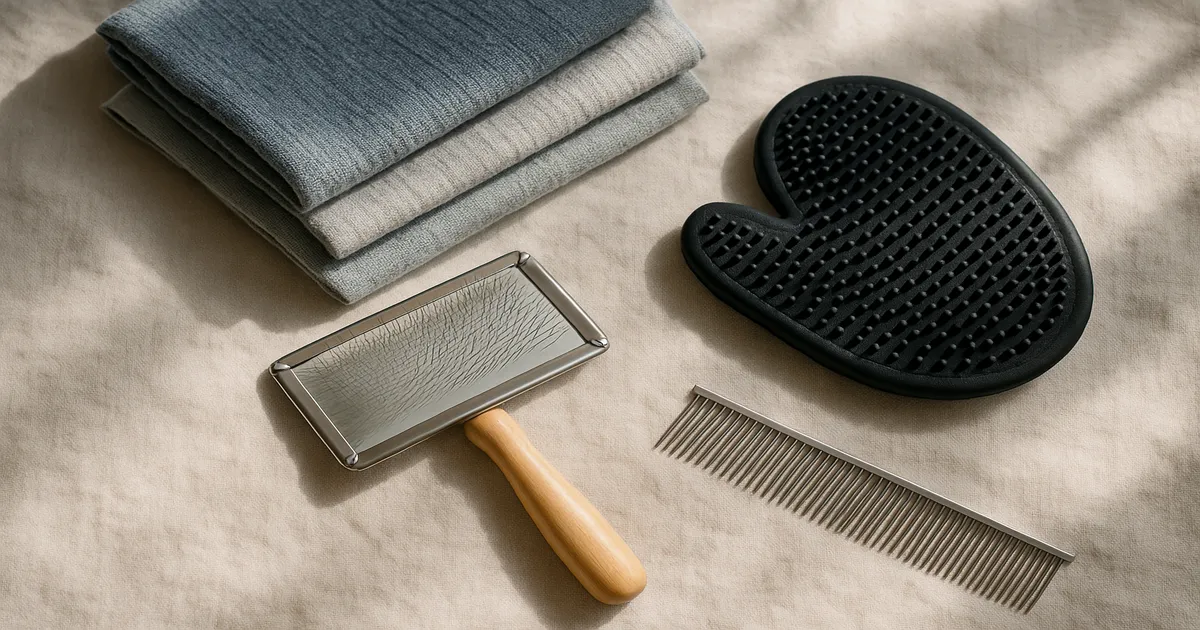
Start with a soft-bristle brush or rubber curry comb — these feel more like petting than grooming and are a gentler introduction. Always brush in the direction of coat growth first. Use one hand to gently brace the area being brushed, which reduces the sensation of pulling. Never drag a brush through a mat; apply detangling spray and work from the outside edges inward with a wide-tooth comb.
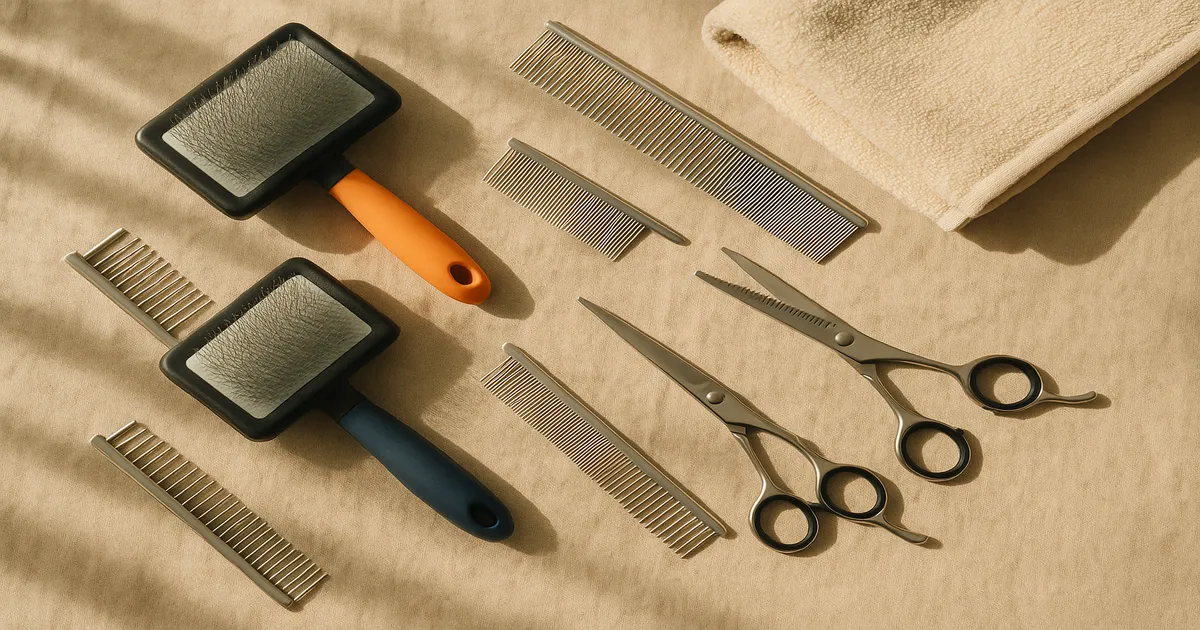
Tool recommendations by coat type:
- Short coats: Rubber curry brush (such as the Kong ZoomGroom), soft-bristle brush
- Double coats: Undercoat rake, slicker brush. Use a Furminator sparingly — overuse damages the guard coat
- Curly/wavy coats: Wide-tooth comb, slicker brush, dematting comb
- Long/silky coats: Pin brush (such as the Chris Christensen Oval Pin Brush), wide-tooth comb, detangling spray
Bathing a Scared Dog
Use lukewarm water — 98–102°F (37–39°C). Water that’s too cold shocks; too hot stresses. Choose a gentle, fragrance-free shampoo to minimise sensory overload, such as Burt’s Bees Hypoallergenic Shampoo for Dogs. Never spray water directly at the face. Use a damp cloth for the head, and keep the spray nozzle close to the body to reduce noise and pressure. A non-slip mat in the tub is essential.
Nail Trimming: The One-Nail-at-a-Time Method
Introduce clippers gradually over multiple sessions before attempting an actual trim. When you’re ready, clip one nail, reward heavily, and stop. That’s a successful session. Build up over days and weeks — there’s no rule that all nails must be done at once. Keep styptic powder nearby in case you catch the quick. Nail grinders work well for some dogs but are louder for others — introduce them with the same gradual desensitisation process.
Ears and Face: Save These for Last
Ears and face are the most sensitive areas for most dogs. Attempt them only once your dog is calm and comfortable with everything else. Use a cotton ball and a vet-approved ear cleaner; never insert anything into the ear canal.
How to End Every Session Positively
End every session before your dog shows stress — not when you’ve finished the task, but while your dog is still calm and engaged. Finish with a high-value treat, calm praise, and a few minutes of quiet time together. That positive final impression is what your dog carries into the next session.
Special Considerations by Coat Type
Short and smooth coats have the advantage of brief sessions. Even so, skin sensitivity can make nail grinding and ear cleaning trigger reactions when brushing is fine. Desensitise each task separately.
Double-coated breeds need brushing 3–5 times per week and de-shedding treatments every 6–8 weeks. Sessions are long — genuinely demanding for an anxious dog. Break grooming across multiple short sessions on different days. And never shave a double coat: beyond the anxiety management issues, shaving disrupts thermoregulation and can cause post-clipping alopecia, a condition where the coat grows back damaged or not at all.
Curly and wavy coats need professional grooming every 4–6 weeks and daily brushing between appointments. Skipping sessions leads to matting, which causes pain, which makes future sessions worse. Consistency is the kindest thing you can do for these dogs.
Long and silky coats require daily brushing without exception. Mat removal is one of the most common triggers for grooming aggression in small breeds like Shih Tzus and Maltese — not because these dogs are inherently difficult, but because infrequent brushing allows painful tangles to develop. Prevention is far easier than rehabilitation.
Frequently Asked Questions
How do I groom a super anxious dog that snaps or bites? Stop the session immediately and do not punish the dog — snapping is communication, not defiance. Go back to the earliest stage of the desensitisation protocol and rebuild from there. If biting is a consistent risk, use a basket muzzle that allows treats to pass through, and consult a certified veterinary behaviourist before continuing.
How long does it take to reduce grooming anxiety? It varies widely. Dogs with mild situational anxiety can show meaningful improvement in 4–6 weeks with consistent desensitisation. Dogs with severe or long-standing anxiety may need several months, and some will always need extra management. Progress is rarely linear — setbacks are normal.
Should I take my anxious dog to a professional groomer? Yes, but choose carefully. Look for groomers with Fear Free certification or equivalent low-stress handling training. Avoid groomers who use cage dryers unsupervised, tight restraints, or who cannot tell you how they handle anxious dogs. A good groomer is a genuine partner in your dog’s rehabilitation.
Can I use a muzzle during grooming? A well-fitted basket muzzle is a safe and humane tool when there is a bite risk. It should never replace behaviour modification — it’s a safety measure while you work on the underlying anxiety. Introduce the muzzle gradually using the same desensitisation approach described in this guide.
At what age should I start grooming desensitisation? The earlier the better. Puppies have a socialisation window that closes around 12–16 weeks, and positive handling experiences during this period have lasting effects. That said, desensitisation works at any age — adult and senior dogs can and do make significant progress.