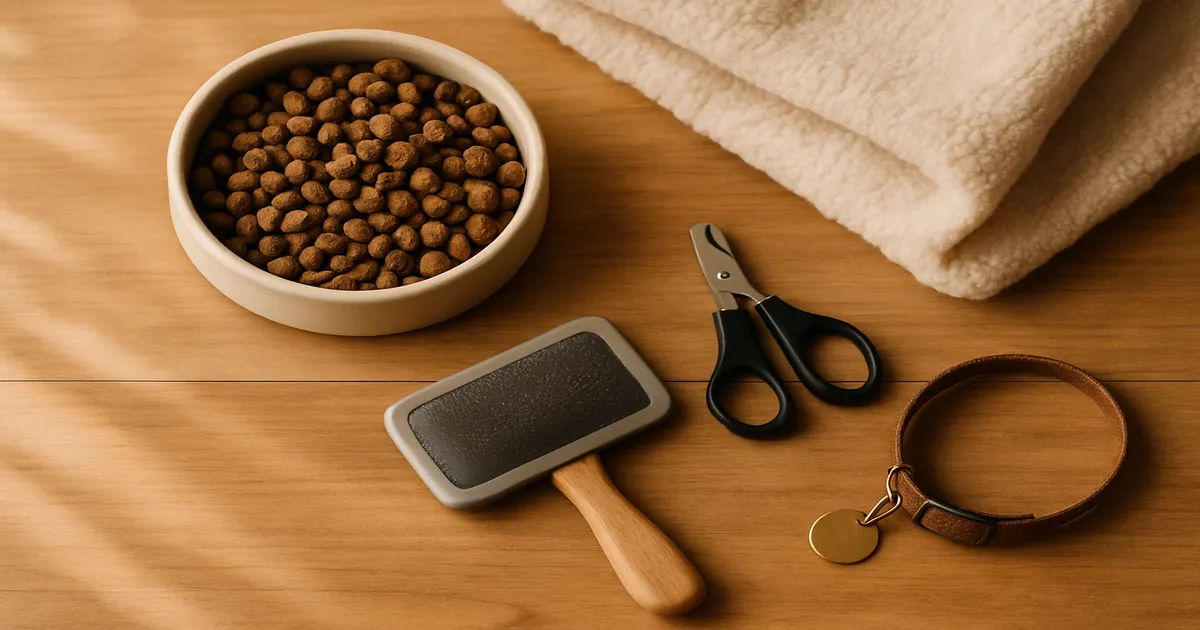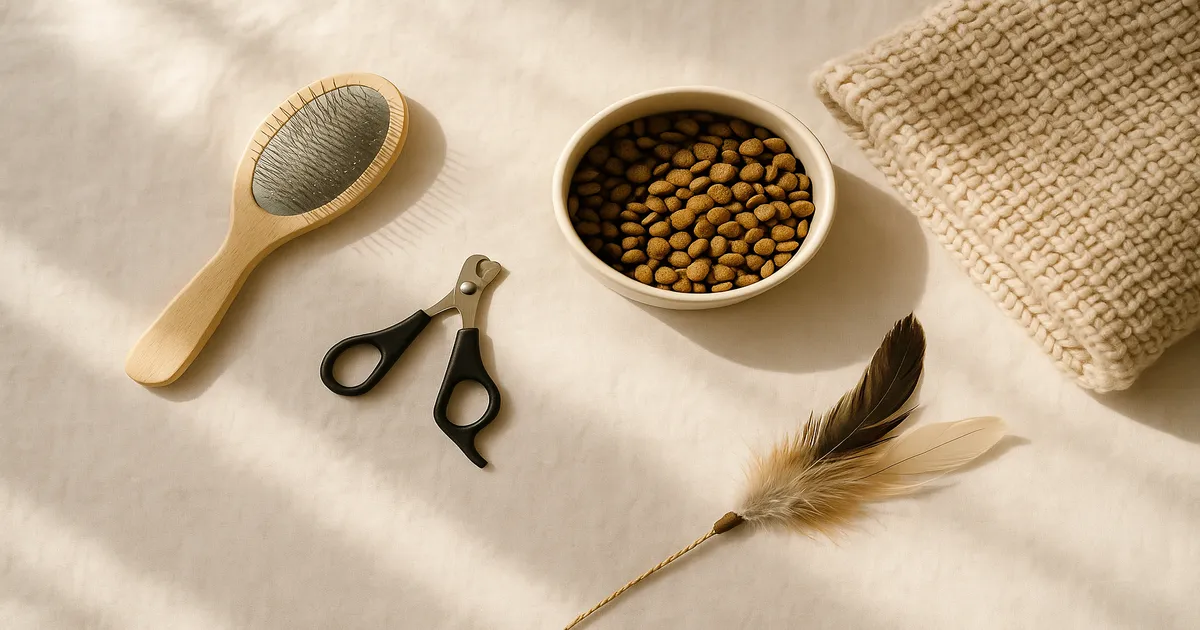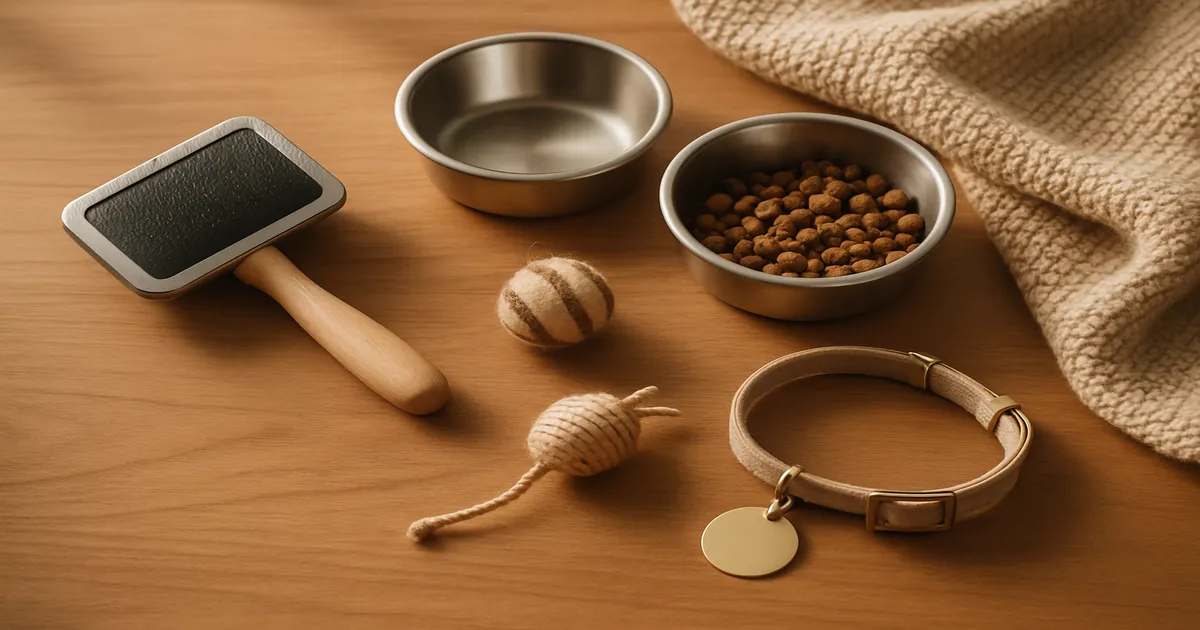
Quick Answer: Knowing how to take care of a British Shorthair means mastering a few key areas: weekly brushing, 20–30 minutes of daily play, a carefully portioned high-protein diet, and annual vet visits that include cardiac screening. They’re adaptable, low-drama companions — but their predisposition to obesity and heart disease means staying on top of their health is non-negotiable.
British Shorthair Care at a Glance
Learning how to take care of a British Shorthair is genuinely manageable. This breed isn’t demanding, but it rewards attentive ownership with 15–17 years of loyal, calm companionship.
| Care Area | Requirement |
|---|---|
| Grooming | Weekly brushing; 2–3×/week during shedding season |
| Exercise | 20–30 min active play daily (two sessions) |
| Shedding | Moderate to high — not hypoallergenic |
| Trainability | Moderate; responds well to clicker training |
| Social Needs | Moderate; bonds closely with 1–2 people |
| Vet Visits | Annual wellness + cardiac screening |
| Lifespan | 12–20 years (average 15–17 years) |
Is the British Shorthair Right for You?
The British Shorthair suits a wide range of households — families with children, singles, seniors, and multi-pet homes. They don’t crave constant attention, but they do need daily interaction and consistent health monitoring. If you want a relaxed, affectionate cat who won’t redecorate your home out of boredom, this breed is an excellent match.
Breed Background
History and Origins
The British Shorthair’s story starts with the Roman invasion of Britain around 43 AD, when soldiers brought domestic cats to control rodents. Those cats interbred with native European wildcats over centuries, producing the sturdy, weather-resistant feline we recognize today.
Formal breeding began in the 1870s, when Harrison Weir — often called the “Father of the Cat Fancy” — exhibited the breed at the first organized cat show at Crystal Palace, London, in 1871. The breed nearly vanished during both World Wars due to food shortages and disrupted breeding programs. Recovery came through careful crosses with Persians, Russian Blues, and Burmese, which also introduced the chocolate and lilac colour variants seen today.
Breed Standard and Coat Colours
The British Shorthair is a medium-to-large, cobby cat with a broad round head, full cheeks, and a dense plush double coat that springs back when you stroke it against the grain. The iconic British Blue — a blue-gray coat with copper or gold eyes — remains the most recognized variant, but registries including the CFA, TICA, GCCF, and FIFe recognize over 100 colour and pattern combinations: solid blacks, whites, creams, and reds; classic and spotted tabbies; tortoiseshells; bicolours; and smokes.
British Shorthair vs British Longhair
The British Longhair is essentially the same breed with one key difference — a longer, semi-long coat produced when two British Shorthairs carrying a recessive longhair gene are bred together. TICA and FIFe recognize it as a separate breed; the CFA and GCCF do not. Care requirements are similar, though the Longhair needs more frequent brushing to prevent tangles.
Temperament and Personality
What British Shorthairs Are Really Like
“Teddy bear of the cat world” is a cliché, but it’s earned. British Shorthairs are emotionally stable, dignified, and quietly devoted. They rarely act out, don’t yowl for attention, and tend to communicate through soft chirps and trills. The result is a cat who is genuinely pleasant to live with — calm without being boring, affectionate without being needy.
Most British Shorthairs prefer to sit near you rather than on you, showing affection on their own schedule. They bond deeply with one or two primary caregivers while remaining friendly toward others. If your household is empty for long stretches, consider getting two cats or providing plenty of environmental enrichment — this breed can experience mild separation anxiety when left alone for extended periods.
British Shorthairs with Children, Dogs, and Other Pets
Their patient, even-tempered nature makes them a solid choice for families. They generally tolerate the noise and energy of children better than more highly strung breeds, though they appreciate having a quiet retreat when things get overwhelming. With dogs and other cats, gradual introductions make all the difference — British Shorthairs are typically accepting once they’ve had time to assess the situation on their own terms.
Exercise and Mental Stimulation
How Much Exercise Does a British Shorthair Need?
Adult British Shorthairs need around 20–30 minutes of active play daily, ideally split into morning and evening sessions. Kittens need 30–45 minutes spread across shorter bursts throughout the day. These numbers sound modest, but don’t skip it — this breed’s low metabolism and hearty appetite make regular movement medically important, not just nice to have.
Best Toys and Activities
- Wand and feather toys — the best tool for engaging their prey drive; rotate regularly to keep things fresh
- Puzzle feeders — slow down eating and provide mental engagement simultaneously (Doc & Phoebe’s Indoor Hunting Feeder)
- Cat trees — choose sturdy structures rated for heavier cats (15–20 lbs / 6.8–9 kg)
- Window perches — low-effort enrichment with high payoff; bird-watching is genuinely stimulating for this breed
- Fetch — some British Shorthairs, especially males, will happily retrieve small toy mice or crinkle balls
Rotate a selection of 8–10 toys, offering 2–3 at a time and swapping weekly. Sniff mats, lick mats, and cat TV (YouTube channels featuring birds or fish) all work well for solo hours. Short training sessions of 5–10 minutes also count as mental exercise and strengthen your bond.
One important note: British Shorthairs become noticeably more sedentary after age 3–4. You’ll need to actively initiate play rather than waiting for them to self-motivate. For cats diagnosed with HCM, avoid encouraging high jumps — ask your vet about appropriate activity modifications.
How to Take Care of a British Shorthair’s Coat
Brushing and Coat Maintenance
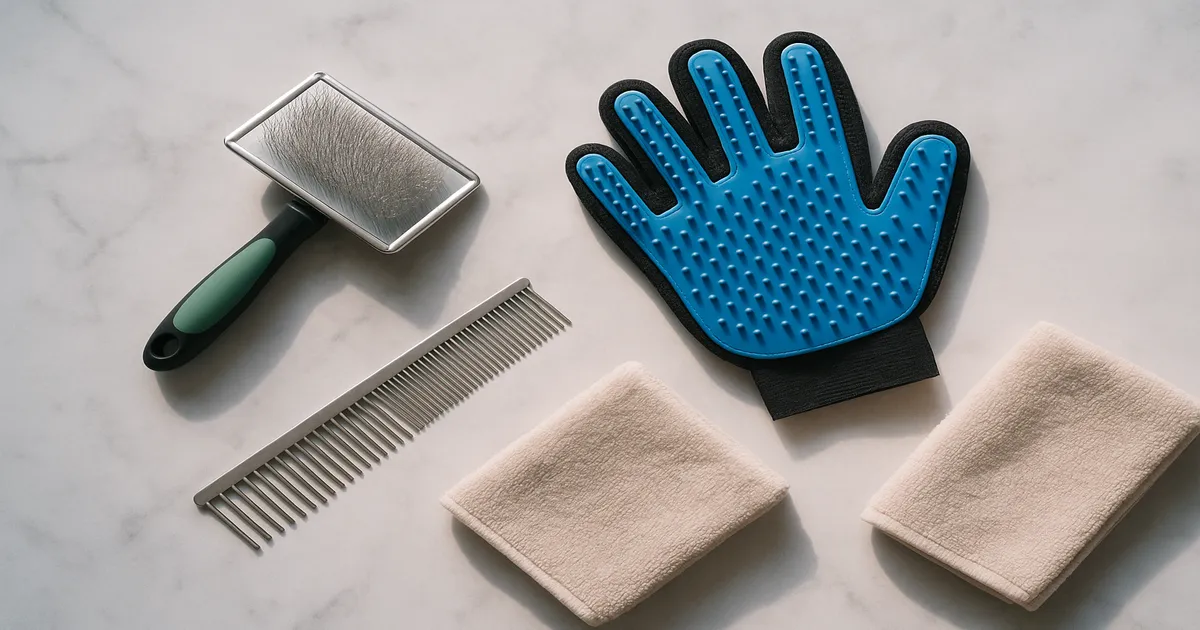
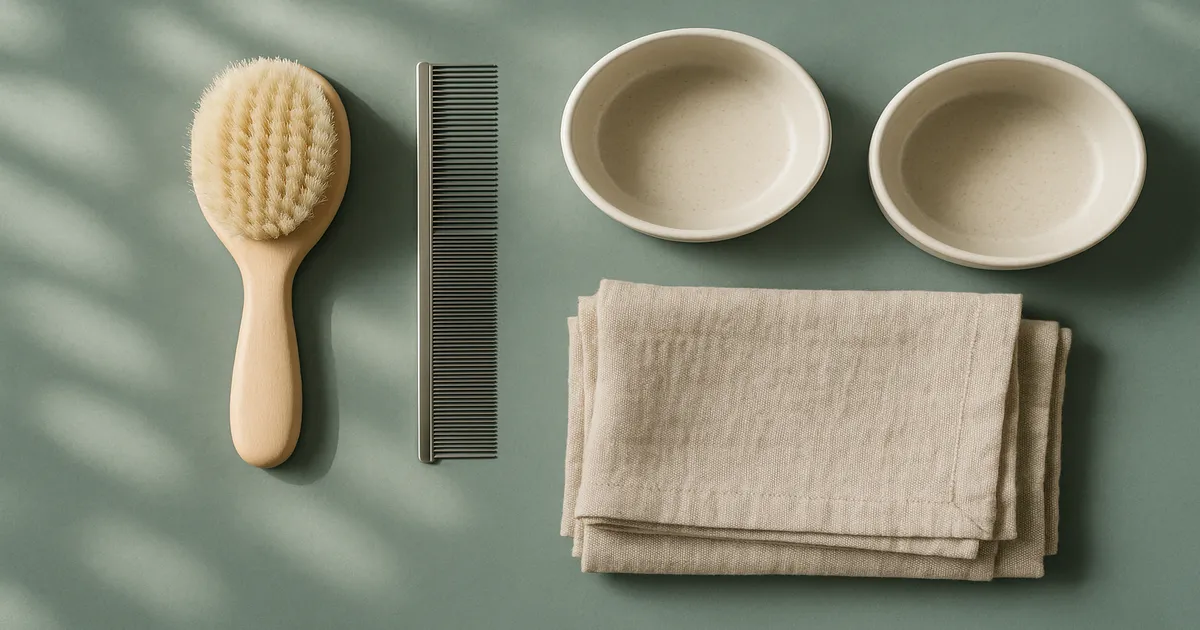
The British Shorthair’s dense plush double coat is one of its most distinctive features — and its most demanding. Weekly brushing is the baseline, increasing to 2–3 times per week during spring and autumn shedding seasons. The right toolkit matters:
- A slicker brush for everyday grooming and loose fur removal
- A stainless steel wide-tooth comb for working through the undercoat
- A deshedding tool used gently once or twice a month during peak shedding — don’t overdo it, as aggressive use can damage the topcoat
- A rubber grooming mitt as a finishing tool; many British Shorthairs tolerate this more readily than traditional brushes
Always brush in the direction of hair growth, and start the habit in kittenhood so it becomes routine rather than a battle.
Bathing, Nails, and Ears
Bathing 2–4 times per year is sufficient for most British Shorthairs. Always use a cat-specific, pH-balanced shampoo and dry the coat thoroughly — that dense undercoat holds moisture and can cause skin problems if left damp.
Trim nails every 2–3 weeks, cutting only the clear tip to avoid the pink quick. Check ears weekly and clean monthly with a veterinarian-approved solution and cotton balls — never insert cotton swabs into the ear canal. Dark discharge, strong odour, or persistent head-shaking warrants a vet visit.
Dental Care
Daily tooth brushing is the gold standard; aim for at least 3–4 times per week using enzymatic cat toothpaste — never human toothpaste, as xylitol is toxic to cats. Supplement with VOHC-approved dental chews or water additives, and plan on professional cleanings every 1–3 years depending on your cat’s individual needs. Periodontal disease is preventable — it just requires consistency.
Common Health Issues and Veterinary Care
Hypertrophic Cardiomyopathy (HCM)
HCM is the breed’s most serious health concern. It causes thickening of the heart muscle, reducing pumping efficiency, and can progress to congestive heart failure or dangerous blood clots. Studies estimate it affects 15–20% of British Shorthairs at some point in their lives.
Annual or biannual echocardiograms performed by a veterinary cardiologist are the gold standard for detection — a routine stethoscope check won’t catch early HCM. Reputable breeders should provide cardiac clearance certificates for both parents. There’s no cure, but medications can slow progression and manage symptoms effectively.
Polycystic Kidney Disease (PKD)
PKD entered the British Shorthair gene pool through the Persian crossbreeding that saved the breed post-WWII. It’s an autosomal dominant condition — one copy of the faulty gene causes the disease — and causes fluid-filled cysts to gradually destroy kidney function. Symptoms typically appear after age 7: increased thirst and urination, weight loss, lethargy, and vomiting.
A reliable PKD1 DNA test exists. Responsible breeders test all breeding cats and only use PKD1-negative animals. Always ask for written test results for both parents before purchasing a kitten.
Obesity and Weight Management
The British Shorthair’s low activity level combined with a hearty appetite is a recipe for weight gain. Obesity raises the risk of type 2 diabetes, osteoarthritis, hepatic lipidosis, and urinary tract disease — and it worsens existing cardiac conditions. Ideal adult weight is 9–18 lbs (4–8 kg) depending on sex and frame; males typically run larger.
Recommended Health Screening Schedule
- Annual wellness exams — minimum; twice-yearly after age 7
- Annual or biannual echocardiograms — beginning at 2–3 years of age
- PKD1 test confirmation — request from your breeder before purchase; retest if documentation is unavailable
- Professional dental cleanings — every 1–3 years based on individual needs
- Weight checks — at every vet visit; track trends over time
Feeding and Nutrition
What and How Much to Feed
Choose a high-protein, moderate-fat diet with minimal fillers and low carbohydrates. Look for a named animal protein — chicken, turkey, or salmon — as the first ingredient. Wet food supports hydration and makes weight management easier; VOHC-approved dry kibble can contribute to dental health. Many owners do well with a combination of both. (Royal Canin British Shorthair Adult Dry Cat Food)
Feed age-appropriate formulas: kitten food until around 12 months, adult formulas through middle age, and senior-specific food after age 7–8. Neutered cats have lower caloric needs and often benefit from an indoor or light formula.
Measured meal feeding — twice daily with weighed portions — is far preferable to free-feeding for this breed. Treats should make up no more than 10% of daily caloric intake. Using a puzzle feeder at mealtimes slows eating, adds mental stimulation, and makes a modest portion feel more satisfying. (Trixie 5-in-1 Activity Center)
Weigh your cat monthly and keep a log — it’s easy to miss gradual weight gain under that plush coat. If your cat is gaining weight despite appropriate portions, consult your vet before making drastic changes. Rapid weight loss in cats can trigger hepatic lipidosis.
Living Environment and Daily Life
Indoor vs Outdoor
Keep them indoors. The risks from traffic, predators, parasites, and infectious disease far outweigh any benefit from outdoor roaming. If your cat craves fresh air, a catio or securely enclosed garden area is the ideal compromise. Their calm temperament means most British Shorthairs adapt well to indoor life, provided their environment is sufficiently enriched.
Setting Up Your Home
- Cat tree — sturdy enough for a cobby, heavier-than-average cat; positioned near a window if possible
- Scratching posts — offer both vertical and horizontal options in different textures (sisal, cardboard)
- Quiet resting spots — elevated beds, window perches, or a dedicated corner; British Shorthairs appreciate having a calm retreat
- Litter boxes — one per cat plus one extra; choose large boxes to accommodate their substantial build
Training Tips
British Shorthairs are more trainable than most people expect. Short 5–10 minute sessions using positive reinforcement and a clicker work well for teaching basic commands, leash walking, and even tricks like sit or high-five.
Never use punishment or raised voices — this breed’s trust, once damaged, is slow to rebuild. End every session on a success, keep it fun, and you’ll be surprised how much this quiet, observant cat can learn.
Frequently Asked Questions About How to Take Care of a British Shorthair
Are British Shorthairs high maintenance?
No — they’re one of the lower-maintenance pedigree breeds. Grooming needs are manageable with weekly brushing, exercise requirements are modest, and their calm temperament makes daily life easy. The main commitment is health monitoring: annual vet visits, cardiac screening, and weight management require consistency but aren’t especially time-intensive.
Do British Shorthairs like to be held?
Most prefer to be near you rather than held. They’re affectionate but independent, and many find being picked up and carried uncomfortable. Some individuals will happily settle in your lap; others prefer sitting beside you. Respecting their preference for proximity over restraint is key to building trust.
How often should you groom a British Shorthair?
Brush weekly as a minimum, increasing to 2–3 times per week during spring and autumn shedding seasons. Trim nails every 2–3 weeks, check ears weekly, clean them monthly, and brush teeth at least 3–4 times per week. Bathing is only needed 2–4 times per year under normal circumstances.
What health problems are British Shorthairs prone to?
The three main concerns are hypertrophic cardiomyopathy (HCM), polycystic kidney disease (PKD), and obesity. HCM affects an estimated 15–20% of the breed and requires regular echocardiograms for early detection. PKD can be screened via DNA test — always ask breeders for PKD1-negative certificates. Obesity is the most preventable issue and the one most directly in an owner’s control.
How long do British Shorthairs live?
British Shorthairs typically live 12–20 years, with well-cared-for indoor cats averaging 15–17 years. Diet, weight management, an indoor lifestyle, and proactive veterinary care — particularly cardiac monitoring — are the biggest factors in reaching the higher end of that range.