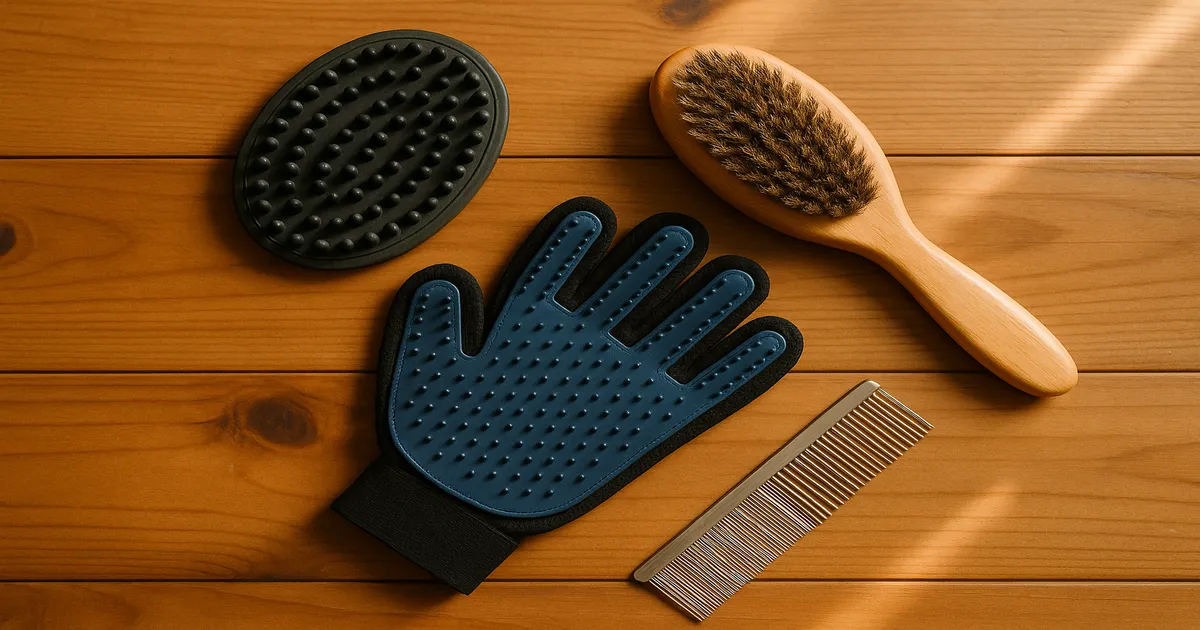
Quick Answer: The best boxer shedding brush is a rubber curry brush — its flexible nubs grip fine, short hairs without scratching sensitive skin. Brush your Boxer 2–3 times per week, finishing with a bristle brush and a damp chamois cloth for maximum shine and shedding control.
The Best Boxer Shedding Brush at a Glance
If you want a fast answer: grab a rubber curry brush. It outperforms almost every other tool on a short, single-layer coat, and it’s the one boxer shedding brush worth buying before anything else. Two to three sessions per week keeps loose hair manageable year-round.
Why Boxer Shedding Is Different From Other Breeds
Boxers don’t have an undercoat. You won’t deal with the dramatic seasonal “blow” you’d see from a Husky or German Shepherd — but don’t mistake that for light shedding. Their fine, needle-like hairs embed stubbornly in upholstery, carpet, and clothing, often more visibly than the longer hairs of other breeds. Pick the wrong brush and you’ll barely make a dent.
Understanding the Boxer Coat
Short, Single-Layer, and Tight
The AKC describes the Boxer coat as “short, shiny, lying smooth and tight to the body.” There’s no undercoat — just a single layer of fine, close-lying hair. That structure means brushes designed for double-coated or long-haired breeds simply don’t perform well here.
How Much Do Boxers Shed?
On a 1–5 scale, Boxers sit at a solid 3 — moderate. Shedding is steady and consistent rather than explosive. Because the hairs are so short and fine, they work themselves deep into fabric fibers, which is why Boxer owners often feel like their dog sheds more than breeds that technically lose more hair by volume.
Coat color matters too. Fawn and white Boxers leave visible hair on dark sofas and clothing, while brindle hairs show up on light surfaces. Either way, regular brushing is your best defense.
Seasonal Patterns
Shedding stays consistent year-round, with noticeable upticks in spring and fall as the coat responds to changing daylight. These aren’t dramatic coat blows, but bumping brushing to daily sessions during those peak periods makes a real difference.
Best Brush Types for Boxer Shedding: A Complete Comparison
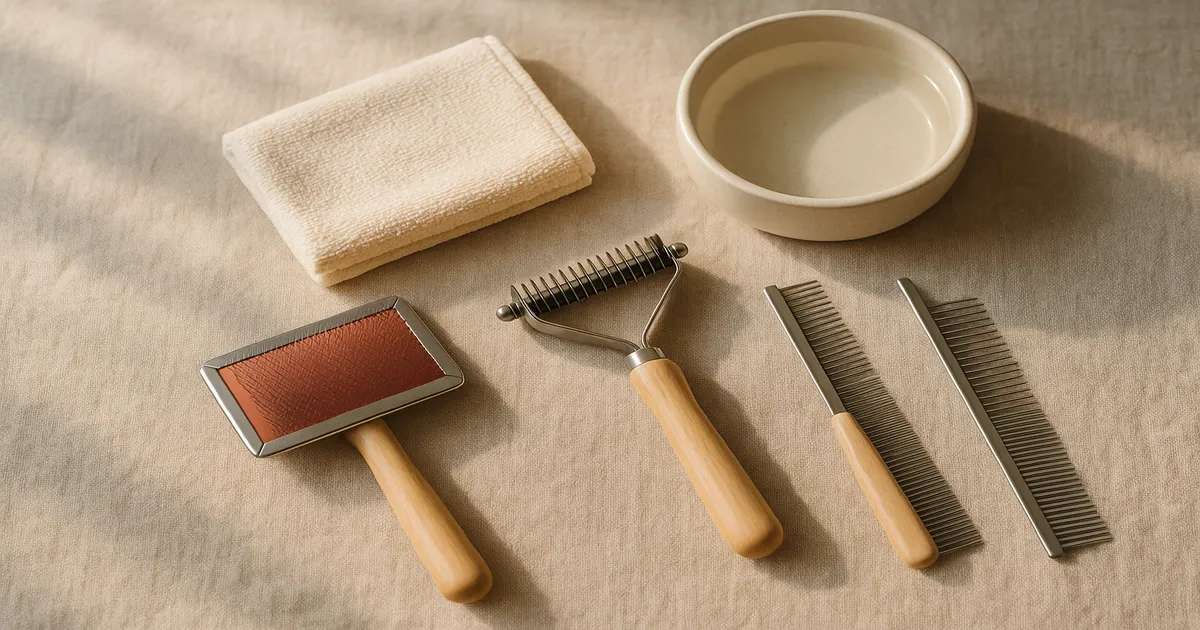
Rubber Curry Brush — The Top Boxer Shedding Brush
The rubber curry brush is the gold standard for this breed. Flexible rubber nubs reach through the short coat to grip loose hairs, stimulate circulation, and feel genuinely good to most dogs — more like a massage than a grooming session. It works wet or dry, which makes it useful at bath time too.
Grooming Glove — Best for Sensitive or Wriggly Dogs
A grooming glove lets you “pet” the loose hair right off your dog. For Boxers who squirm away from traditional brushes, this is a game-changer — it feels like affection rather than a chore. Coverage on the legs and face is better than most brush styles.
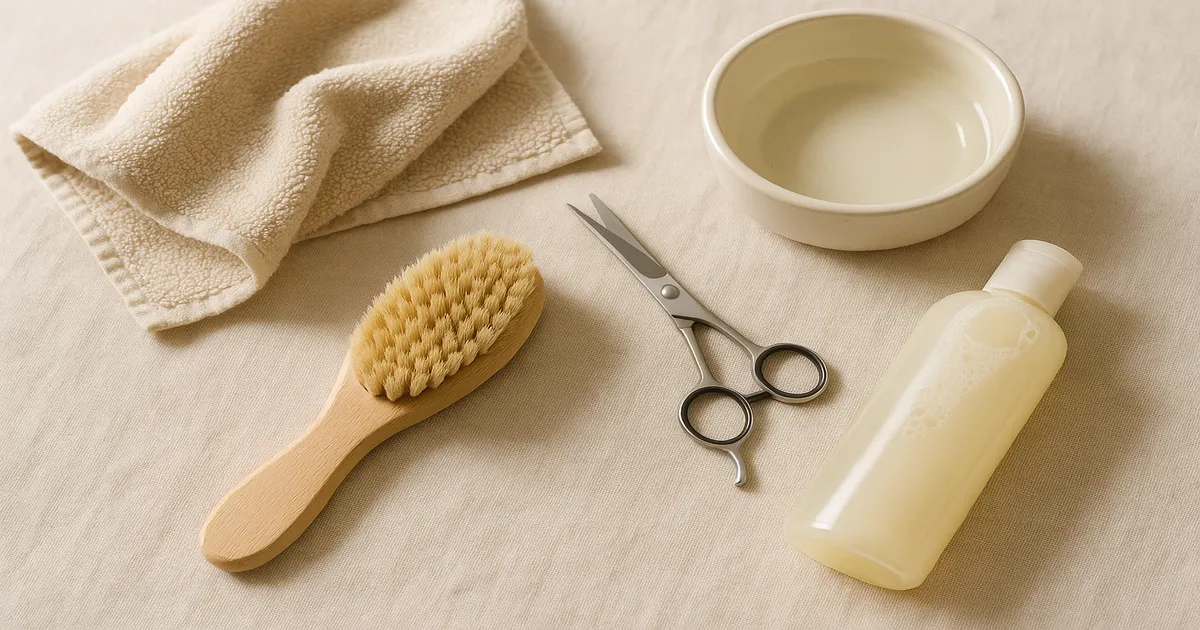
Bristle Brush — For Finishing and Coat Shine
A bristle brush isn’t your primary shedding tool, but it earns its place as a finishing step. After the curry brush lifts loose hairs, a bristle brush sweeps them away and distributes the skin’s natural oils from root to tip, leaving the coat with that characteristic Boxer gloss.
Deshedding Tool — Use Sparingly
The FURminator does work on Boxer coats, but restraint is essential. Boxers have no undercoat and sensitive skin, so daily use will cause irritation. Limit it to once every 2–3 weeks during heavy shedding seasons — it’s a supplement, not a daily driver.
Soft Slicker Brush — A Useful Secondary Option
A soft slicker brush won’t be your most-used tool, but it’s handy for picking up fine debris after a bath. Choose one with coated pin tips to avoid scratching the skin.
Brush Comparison at a Glance
| Brush Type | Primary Use | Frequency | Boxer-Friendly? |
|---|---|---|---|
| Rubber curry brush | Loose hair removal, skin stimulation | 2–3x per week | ✅ Best choice |
| Grooming glove | Gentle all-over grooming | Daily if needed | ✅ Excellent |
| Bristle brush | Finishing, coat shine | After curry brush | ✅ Great secondary |
| FURminator (short hair) | Peak shedding seasons | Every 2–3 weeks only | ⚠️ Use sparingly |
| Soft slicker brush | Debris removal, finishing | Occasional | ✅ Useful secondary |
How to Use a Boxer Shedding Brush: Step-by-Step Technique
How Often Should You Brush a Boxer?
- Minimum: Once per week
- Optimal: 2–3 times per week
- Peak shedding (spring/fall): Daily
Consistent brushing can reduce the hair deposited on furniture and clothing by up to 70%. That alone is worth the 10 minutes.
Step-by-Step Brushing Routine
- Start with the rubber curry brush. Use firm circular motions across the back, hindquarters, and sides — the areas where shedding is heaviest. Work methodically from one end of the dog to the other.
- Follow the direction of hair growth. Going against the grain on a short-coated, sensitive-skinned breed causes unnecessary irritation.
- Switch to the bristle brush. Use long, sweeping strokes from the neck to the tail to collect loosened hairs and distribute skin oils.
- Finish with a damp chamois cloth. One pass over the entire coat picks up remaining fine hairs and leaves the coat gleaming.
The Chamois Cloth Trick Used by Show Handlers
Show Boxer handlers have used this technique for decades. A slightly dampened chamois cloth traps fine hairs that brushes miss and buffs the coat to a deep shine — no product needed. It takes about 60 seconds and makes a noticeable difference.
Brushing the Face, Folds, and Sensitive Areas
Never use a brush directly on the facial skin folds. Wipe them with a damp cloth to remove trapped moisture and debris. For the face and muzzle more broadly, a grooming glove gives you the most control without risking eye or skin irritation.
Full Boxer Grooming Routine
Bathing: Frequency and Shampoo
Bathe your Boxer every 4–6 weeks under normal circumstances. Boxers have sensitive skin prone to dryness and allergic reactions, so always use a mild, pH-balanced dog shampoo (pH 6.5–7.5). Human shampoos are formulated for a more acidic skin pH (4.5–5.5) and will disrupt your dog’s skin barrier over time. After bathing, dry the facial folds thoroughly — trapped moisture in those creases leads directly to bacterial and yeast infections.
Facial Fold Care
Wipe the folds daily with a dry or slightly damp cloth. Redness, odor, or discharge are signs of fold dermatitis and warrant a vet visit. It’s one of the most commonly overlooked parts of Boxer care, and catching it early makes a significant difference.
Nails, Ears, and Teeth
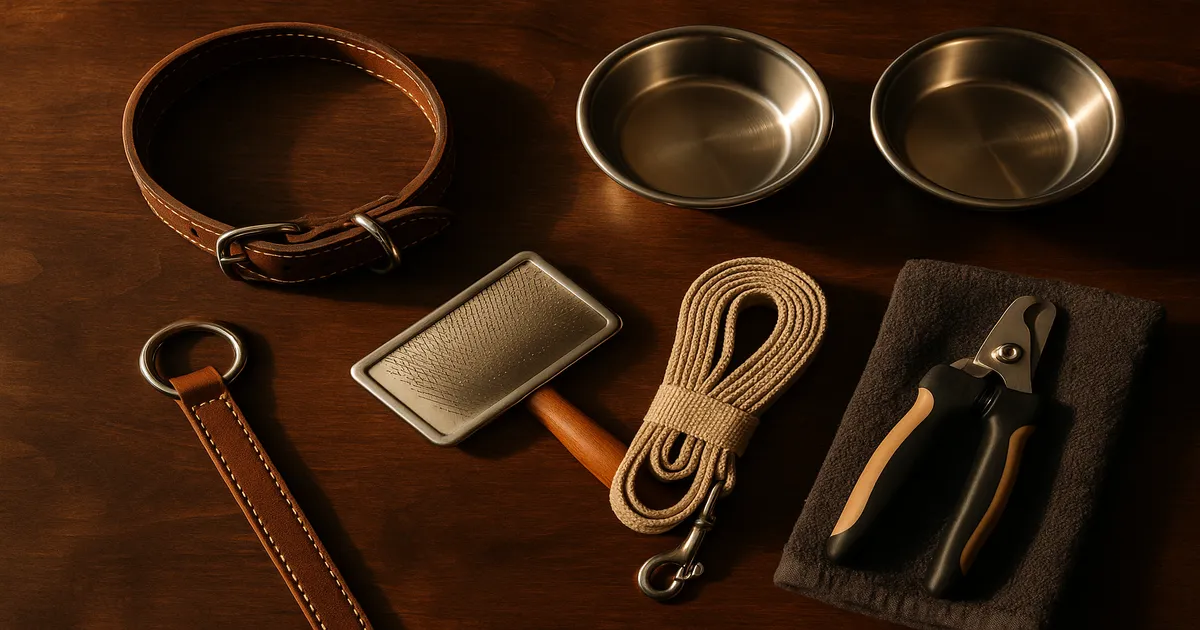
Trim nails every 3–4 weeks. If you can hear them clicking on a hard floor, they’re already too long — overgrown nails alter gait and stress joints, which matters in a breed prone to orthopedic issues. Clean ears every 2–4 weeks with a veterinarian-approved solution, and never push a cotton swab deeper than the visible canal. Brush teeth 3–5 times per week; Boxers are highly prone to periodontal disease, with over 80% of dogs showing signs by age three.
Grooming a Wriggly Boxer: Temperament Tips
Boxers are people-oriented and love attention, which works in your favor. The challenge is their energy and short attention span, especially in the first couple of years when they’re essentially large, enthusiastic puppies.
Practical tips:
- Keep sessions to 10–15 minutes to hold their attention
- Use positive reinforcement throughout — treats, praise, and calm energy
- If your Boxer resists a brush, start with the grooming glove, which feels more like petting
- End every session on a positive note, even if you didn’t finish the full routine
Boxers are emotionally sensitive. Harsh handling or forced restraint creates lasting negative associations that make every future session harder. Start handling paws, ears, and the muzzle from puppyhood, pairing each touch with treats and calm praise. A Boxer that grows up thinking grooming is normal and pleasant is infinitely easier to work with as an adult.
Health Conditions That Affect Boxer Coats
Regular brushing is one of the best early-warning systems you have. Running a brush over your dog several times a week means you’ll notice lumps, hot spots, rashes, and unusual hair loss long before they become serious.
Allergic dermatitis is common in Boxers. Both environmental allergens (pollen, dust mites, mold) and food sensitivities can trigger itching, redness, and patchy hair loss. A sudden increase in shedding alongside skin irritation is worth discussing with your vet.
Seasonal flank alopecia causes recurring patches of hair loss on the flanks, typically in fall or winter, resolving on its own in spring. It’s not itchy or painful, but it can look alarming. Melatonin supplementation is sometimes used to manage it — ask your vet if you notice the pattern.
Hypothyroidism is more common in Boxers than in many breeds. Beyond weight gain and lethargy, one early sign is a dull, thinning coat. A thyroid panel confirms the diagnosis, and daily medication is straightforward and effective.
Demodectic mange can affect young Boxers with immature immune systems, causing patchy hair loss around the face and forelegs. Most puppy cases resolve on their own; generalized cases need veterinary treatment.
See a vet if you notice: sudden shedding increases, bald patches, redness or skin thickening, excessive scratching or licking, or hair loss accompanied by weight changes or lethargy.
Frequently Asked Questions About Boxer Shedding Brushes
What is the best boxer shedding brush for a short coat?
A rubber curry brush is the top choice. The rubber nubs are firm enough to grip fine, short hairs but gentle enough for sensitive skin. Follow up with a bristle brush to distribute oils, then finish with a damp chamois cloth for a show-quality result.
Do Boxers shed a lot, and how can I reduce it?
Boxers are moderate shedders — about a 3 out of 5. Their fine, short hairs embed deeply in fabric, which can make shedding feel worse than it is. Brushing 2–3 times per week with a rubber curry brush can reduce hair on furniture and clothing by up to 70%. A balanced diet also supports overall coat health.
Can I use a FURminator on a Boxer?
Yes, but sparingly. It’s effective during heavy shedding seasons, but Boxers have no undercoat and sensitive skin — daily use will cause irritation. Limit it to once every 2–3 weeks during peak periods, and use a rubber curry brush for regular sessions.
Why does my Boxer shed so much even though the coat is short?
Short doesn’t mean low-shedding. Boxer hairs are fine and needle-like, penetrating fabric fibers and clinging stubbornly rather than sitting on the surface. Consistent brushing, a quality diet, and regular bathing with a gentle shampoo are the most effective controls. If shedding seems excessive or is accompanied by skin changes, rule out allergies, hypothyroidism, or other health conditions with your vet.
When should I see a vet about my Boxer’s shedding?
Any time shedding is sudden, patchy, or accompanied by skin changes — redness, odor, thickening, or excessive scratching — it’s worth a vet visit. Seasonal increases are normal; unexplained hair loss is not.