Quick Answer: Most healthy Boston Terriers need a bath every 4–6 weeks. Bathe too often and you strip the natural oils that protect their skin; wait too long and oil buildup leads to odor and irritation. One important note: cleaning your Boston’s facial folds is a separate daily task — it can’t be replaced by bath time.
If you’ve ever searched “how often should I bathe my Boston Terrier,” you’ve probably found answers ranging from weekly to monthly. The truth lands somewhere in the middle, and it depends more on your individual dog than any universal rule. This guide covers the baseline schedule, the factors that shift it, and everything you need to keep a Boston Terrier clean and comfortable.
How Often Should You Bathe a Boston Terrier?
The General Rule: Every 4–6 Weeks
For a healthy Boston Terrier with no skin conditions, a bath every four to six weeks hits the sweet spot. That frequency keeps the coat clean and smelling fresh without stripping the natural oils that protect their skin.
Bathing too often — say, every week without a medical reason — dries out the skin and can trigger flaking, itching, and irritation. Waiting longer than eight weeks lets sebum and environmental debris accumulate, which is usually when that “doggy smell” kicks in.
When to Bathe More or Less Frequently
The 4–6 week guideline is a starting point, not a rigid rule. A Boston who spends weekends hiking and rolling in creek mud will need a rinse far sooner than a couch-loving city dog. A Boston with skin allergies may need medicated baths every one to two weeks under veterinary direction. On the other end, a primarily indoor dog with dry, sensitive skin might comfortably go six to eight weeks between full baths.
One thing worth flagging early: facial fold cleaning is not part of your bath schedule. It’s a daily task — more on that below.
Understanding the Boston Terrier’s Coat and Skin
A Short, Single-Layer Coat With No Undercoat
Boston Terriers have a smooth, fine-textured single-layer coat that lies flat against the body. There’s no undercoat, which sets them apart from breeds like Labs or Huskies that carry a dense secondary layer of fur. That single-layer coat is genuinely low-maintenance — it doesn’t trap debris the way a double coat does, dries quickly, and produces relatively little odor under normal conditions.
The trade-off is that the skin has less insulation and is more exposed to the drying effects of shampoo and water. Over-bathing a Boston strips the thin lipid barrier protecting their skin faster than it would on a thicker-coated breed. This is exactly why a dog-specific, pH-balanced shampoo matters so much for this breed.
Shedding and Between-Bath Maintenance
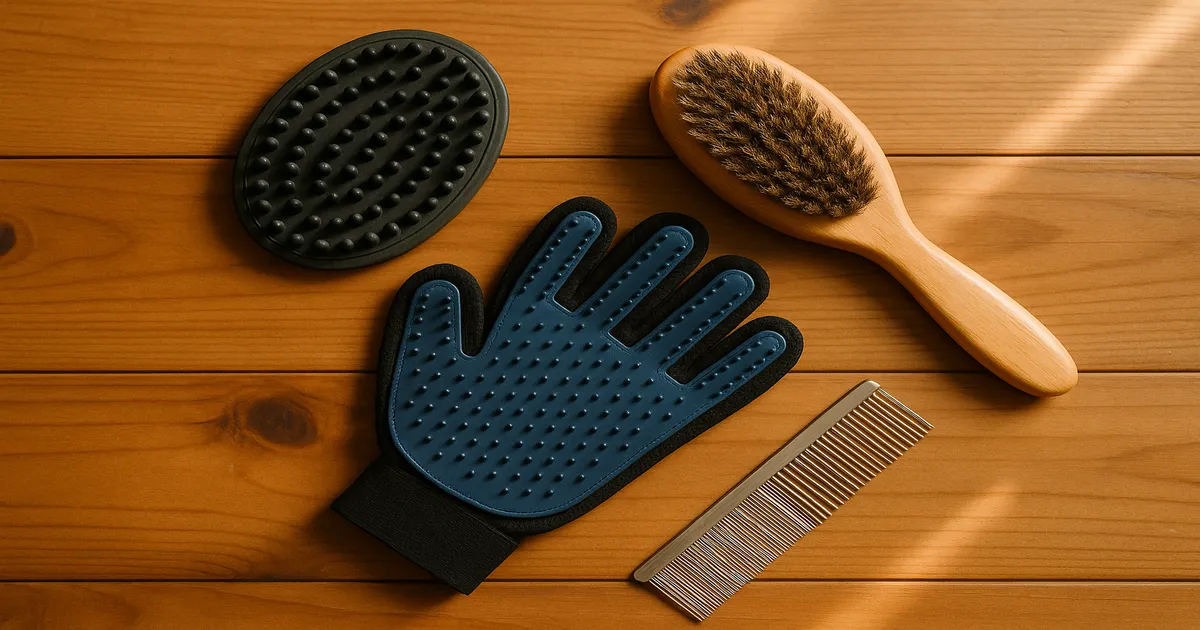
Boston Terriers shed year-round, but modestly. A quick once- or twice-weekly brush with a rubber curry brush or grooming mitt keeps loose hair under control and distributes skin oils between baths. The Kong ZoomGroom works well for this — it’s gentle on short coats and most dogs tolerate it easily.
Factors That Affect How Often to Bathe Your Boston Terrier
Skin Allergies and Dermatitis
Environmental allergies are extremely common in Boston Terriers, showing up as itching, paw licking, red skin, and recurrent ear infections. When allergies are active, your vet may prescribe a medicated shampoo containing chlorhexidine or ketoconazole and recommend bathing every one to two weeks. Don’t adjust this schedule without veterinary input — both over- and under-bathing can worsen inflamed skin.
Activity Level and Outdoor Exposure
An active Boston who loves hiking, dog parks, or backyard digging will accumulate dirt, pollen, and bacteria faster than a lap dog. For these dogs, bathing every two to three weeks during active seasons is perfectly reasonable. Use your nose and your eyes — if the coat looks dull or smells off, it’s time.
Seasonal Pollen Buildup
During peak pollen seasons, your Boston’s coat acts like a magnet. Wiping them down with a damp cloth after outdoor time helps, but bathing every two to three weeks in spring and fall can reduce allergen load on both the dog and your furniture.
Show Preparation
If you’re showing your Boston, plan a bath one to three days before the event — not the morning of. Freshly bathed coats can look a little flat; a day or two of natural oil return gives the coat its characteristic sheen.
How to Bathe a Boston Terrier: Step-by-Step
Supplies to Gather First
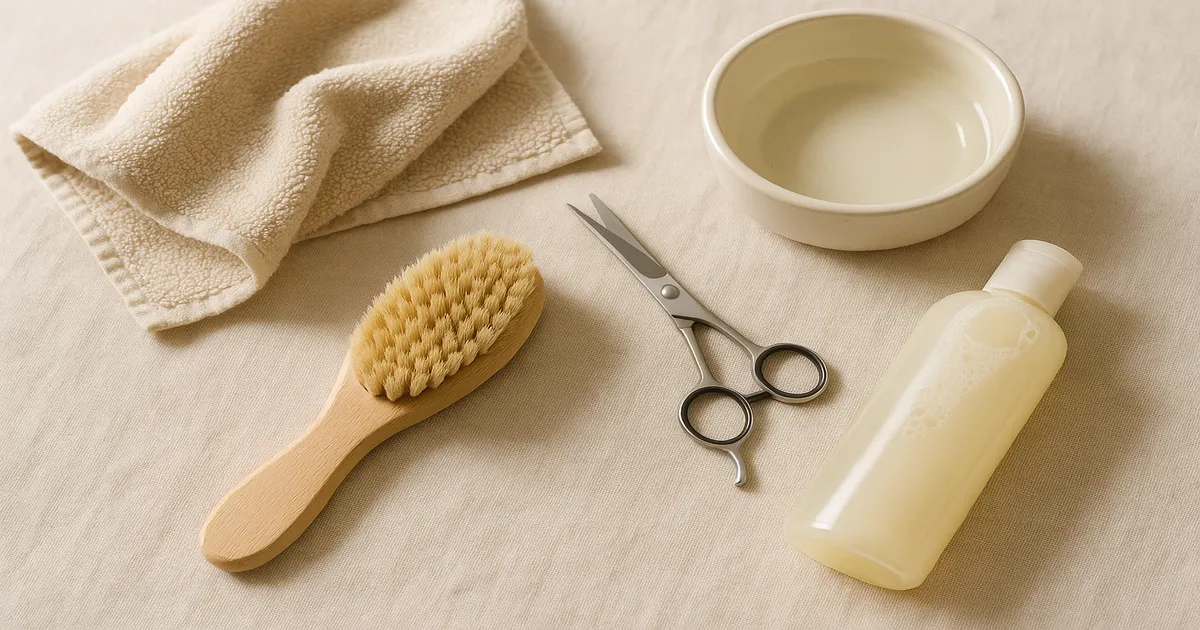
Collect everything before you bring your dog to the tub:
- Dog-specific, pH-balanced shampoo
- Optional lightweight conditioner
- Cotton balls (for ear protection)
- Non-slip bath mat
- Several absorbent towels
- Low-heat blow dryer
- A damp washcloth for the face
Pre-Bath Prep
Give your Boston a quick brush-out before wetting the coat to remove loose hair. Then loosely place a cotton ball in each ear canal — water in the ears is a fast track to ear infections.
Water Temperature
Lukewarm water — around 98–102°F (37–39°C) — is ideal. Test it on your wrist the same way you’d test a baby’s bath. Too hot and you risk drying out their skin; too cold and you’ll have a shivering, unhappy Boston on your hands. Wet the coat thoroughly from neck to tail before applying shampoo.
Applying Shampoo
Lather from the neck backward, working the shampoo gently into the coat. For the face, skip the direct spray entirely. Use a damp washcloth to clean around the muzzle, folds, and forehead — this protects those prominent eyes and keeps water out of the nose and ears.
Rinsing
Rinse longer than you think you need to. Shampoo residue is one of the most common causes of post-bath itching in Boston Terriers. Run your fingers through the coat while rinsing to feel for any slippery spots that indicate remaining product.
Drying
Pat the coat dry with a towel first, then finish with a blow dryer on the lowest heat setting. Boston Terriers have a thin coat and virtually no insulating undercoat, which means they chill quickly. Never let a Boston air-dry in a cool room — they can develop hypothermia faster than you’d expect. Dry them fully before letting them settle on their bed.
Choosing the Right Shampoo for a Boston Terrier
For Healthy Coats
Look for a pH-balanced formula in the 6.5–7.5 range. Oatmeal-based shampoos are an excellent go-to: they cleanse gently, soothe the skin, and work well for regular maintenance bathing. Veterinary Formula Clinical Care Oatmeal & Tea Tree Shampoo is a widely available option that fits this profile.
For Sensitive or Allergy-Prone Skin
Choose a hypoallergenic, fragrance-free, sulfate-free formula. Burt’s Bees Hypoallergenic Shampoo for Dogs is a solid pick — fewer ingredients means fewer potential irritants. When in doubt, simpler is better.
Medicated Shampoos
Chlorhexidine shampoos target bacterial skin infections; ketoconazole formulas address yeast. Both are effective — but only when your vet has confirmed what you’re dealing with. Using an antifungal shampoo on a bacterial infection (or vice versa) won’t help and may delay proper treatment.
Ingredients to Avoid
- Human shampoo: The pH is too acidic for dog skin, even “gentle” or baby formulas
- Artificial fragrances: Common irritants, especially for allergy-prone Bostons
- High-concentration tea tree oil: Toxic to dogs in meaningful amounts — avoid any shampoo where it’s a primary ingredient
Daily and Weekly Grooming Beyond Bath Time
Facial Fold Cleaning: Every Single Day
This is the grooming task Boston Terrier owners most often underestimate. The skin folds around the nose and muzzle trap moisture, food debris, and bacteria daily — and that environment breeds yeast and bacterial infections fast.
Daily fold-cleaning protocol:
- Use an unscented baby wipe, pet-safe facial wipe, or soft cloth dampened with warm water
- Gently separate each fold and wipe thoroughly inside
- Dry completely — trapped moisture is the primary cause of infection
- If recurrent moisture is a problem, apply a thin layer of vet-approved fold balm or cornstarch to keep the area dry
Signs of a fold infection: redness, odor, discharge, or your dog repeatedly pawing at their face. If you see any of these, see your vet.
Eye Care
Those large, expressive eyes need daily attention. Gently wipe away any discharge each morning with a damp soft cloth or a pet eye wipe. Because their eyes protrude slightly, they’re vulnerable to corneal scratches and ulcers — any squinting warrants a same-day vet call.
Ear Cleaning
Boston Terriers have upright, open ears that allow decent airflow, but allergies make them prone to ear infections regardless. Check the ears weekly and clean every two to four weeks using a veterinarian-approved ear cleaning solution on a cotton ball. Never insert cotton swabs into the ear canal. Dark discharge, odor, or frequent head-shaking all point to an infection.
Nail Trimming
Most Boston Terriers need a nail trim every three to four weeks. A tell-tale sign they’re overdue: clicking on hard floors. Because Bostons often have dark nails where the quick is hard to see, trim just 1–2 mm at a time. A nail grinder can be a good alternative for dogs who tolerate the vibration — the Dremel 7300-PT Pet Nail Grooming Tool is a popular choice among small-breed owners. Start handling paws early in puppyhood to make this routine easier for life.
Dental Care
Periodontal disease affects around 80% of dogs over age three, and small-to-medium breeds like Boston Terriers are particularly susceptible. Daily tooth brushing with a dog-specific enzymatic toothpaste is the gold standard — Virbac C.E.T. Enzymatic Toothpaste is a vet-recommended option that comes in flavors most dogs accept readily. If daily brushing isn’t realistic, aim for at least three times per week, and supplement with VOHC-approved dental chews.
Health Issues That Affect Grooming Needs
Brachycephalic Anatomy and Bathing Safety
Boston Terriers are a brachycephalic breed — their flat face and compressed airway make them prone to respiratory distress when stressed or overheated. Keep bath time calm and the water temperature comfortable. If your dog starts panting heavily or showing labored breathing during a bath, stop, move them to a cool area, and let them recover before continuing.
Eye Conditions
Boston Terriers are predisposed to dry eye (keratoconjunctivitis sicca), cataracts, and glaucoma. Any sudden change in eye appearance — cloudiness, increased redness, unusual discharge, or squinting — should be evaluated by a vet promptly. Don’t wait on eye issues with this breed.
When to See a Vet
Schedule a vet visit if you notice:
- Redness, odor, or discharge from facial folds or ears that doesn’t resolve with cleaning
- Persistent itching, hair loss, or hot spots
- Skin that appears flaky, thickened, or discolored
- Eye squinting or discharge that changes color or increases in volume
- Any new lumps or skin growths — Boston Terriers have an elevated predisposition to mast cell tumors
Frequently Asked Questions
How often should I bathe my Boston Terrier if they have sensitive skin?
Every six to eight weeks is usually safe for Bostons with dry or sensitive skin. Use a hypoallergenic, fragrance-free shampoo and rinse thoroughly. If the skin is reactive enough to require medicated baths, follow your vet’s specific schedule rather than a general guideline.
Can I bathe my Boston Terrier once a week?
For most Boston Terriers, once a week is too frequent and will strip the natural oils that protect their skin, leading to dryness, flaking, and irritation. The only exception is when a veterinarian has prescribed weekly medicated baths for a specific skin condition. For a healthy Boston, stick to every four to six weeks.
How do I clean my Boston Terrier’s facial folds?
Use an unscented baby wipe or a soft cloth dampened with warm water. Gently separate each fold, wipe thoroughly inside, and — most importantly — dry the area completely afterward. Trapped moisture causes yeast and bacterial infections, so drying matters as much as cleaning. Do this every day regardless of when your dog last had a full bath.
Why does my Boston Terrier smell bad even after a bath?
Post-bath odor usually points to infected facial folds or an ear infection — both can produce a strong, persistent smell that a bath won’t fix. Less commonly, shampoo residue left in the coat can develop an odor as it breaks down. If the smell returns within a day or two of bathing, check the folds and ears first, and see your vet if you find redness, discharge, or anything that looks infected.
At what age can I start bathing a Boston Terrier puppy?
You can give a puppy their first bath as early as eight weeks old, provided you use a gentle, puppy-safe shampoo and keep the experience calm and warm. At this age, the goal is less about cleanliness and more about building a positive association with bath time. Keep early baths short, use lukewarm water, and dry the puppy thoroughly — they lose body heat quickly.