Quick Answer: Building food drive means developing your dog’s enthusiasm and motivation to work for food rewards — and it’s a trainable skill, not a fixed personality trait. The core steps are simple: eliminate free feeding, move to structured meals, use high-value treats strategically, and keep training sessions short. Most dogs show noticeable improvement within one to two weeks.
Food drive is one of the most powerful tools in dog training, yet it’s also one of the most misunderstood. Many owners assume their dog is “just not food motivated” — but in most cases, that low motivation is a training problem, not a personality flaw. Knowing how to build food drive gives you a reliable, humane way to teach virtually any behavior, and it’s backed by decades of animal behavior research. Both the AVSAB and the APDT endorse food-based positive reinforcement as the first-line training approach for all dogs.
Why Food Drive Matters
The Science Behind Food Motivation
Food drive is rooted in operant conditioning — the learning framework developed by B.F. Skinner and later refined by trainers like Dr. Ian Dunbar and Karen Pryor. When a dog learns that a specific behavior reliably produces a food reward, the brain reinforces that behavior through dopamine pathways. It’s not just about hunger; it’s about anticipation, arousal, and engagement.
Research published in Animal Welfare (Hiby et al., 2004) found that positive reinforcement achieves reliable behavior in 30–50% fewer repetitions compared to aversive methods. That efficiency gap is largely driven by food motivation.
A dog with strong food drive is easier to teach, faster to generalize new skills, and more resilient in distracting environments. Detection and service dog programs report wash-out rates of 50–70% in candidates — and low food or toy drive is consistently among the top disqualifying factors.
Which Dogs Need Food Drive Work Most?
Any dog that ignores treats in training, loses interest quickly, or only performs for food at home but not outside can benefit from deliberate food drive work. Puppies between 8 and 16 weeks are in the optimal window for forming strong food associations, but older dogs respond well to these techniques too.
Breed Traits and Temperament That Influence Food Drive
Breeds With Naturally High Food Motivation
Some breeds are wired for food. A 2016 study in Cell Metabolism found that roughly 25% of Labrador Retrievers carry a mutation in the POMC gene — a change that impairs the brain’s “fullness” signal and directly contributes to their legendary food obsession. Other naturally high-drive breeds include:
- Beagles and Basset Hounds — scent-driven and food-motivated almost universally
- Golden Retrievers, Cocker Spaniels, and Pugs — eager-to-please companion breeds
- Border Collies and Poodles — highly intelligent and quick to associate food with learning
Breeds With Lower Baseline Food Motivation
Sighthounds like Greyhounds, Whippets, and Salukis tend to be driven more by movement and prey than by food. Guardian breeds — Chow Chows, Akitas, and Anatolian Shepherds — are more independent and may require higher-value treats and more patience. These dogs can absolutely develop food drive, but it takes longer to establish.
How Stress Suppresses Food Drive
Here’s something many owners miss: a dog that refuses treats in training is often anxious, not stubborn. Elevated cortisol suppresses appetite. If your dog eats fine at home but won’t take treats at the park or in class, stress is almost certainly the culprit — not a lack of food motivation. Confidence, arousal threshold, and stress sensitivity all play a significant role in how readily a dog engages with food rewards.
How to Build Food Drive: A Step-by-Step Guide
Step 1: Establish a Structured Feeding Schedule
Stop free feeding immediately. A full bowl available around the clock is the single greatest suppressor of food drive — there’s no reason for a dog to work for something that’s always available.
- Adult dogs: 2 meals per day, spaced 10–12 hours apart
- Puppies under 6 months: 3 meals per day
- Meals should be timed and consistent — predictability builds anticipation
A dog that’s mildly hungry (not starved — there’s an important difference) is in the optimal motivational state for learning.
Step 2: Replace the Food Bowl With Training Sessions
This is the “earning meals” concept popularized by Dr. Ian Dunbar, and it works remarkably well. Instead of placing a bowl on the floor, use your dog’s regular kibble as training treats. Ask for a sit, eye contact, or a simple behavior before each piece is delivered.
Keep sessions 3–5 minutes — short enough that your dog stays engaged, long enough to make progress. Always end while your dog still wants more. The moment you see disinterest creeping in, you’ve gone too long.
Step 3: Use a Three-Tier Treat Hierarchy
Not all treats are equal, and matching treat value to the situation is essential:
- Tier 1 – Low value: Regular kibble — for familiar behaviors in quiet environments
- Tier 2 – Medium value: Small commercial training treats like Zuke’s Mini Naturals — for new behaviors or mild distractions
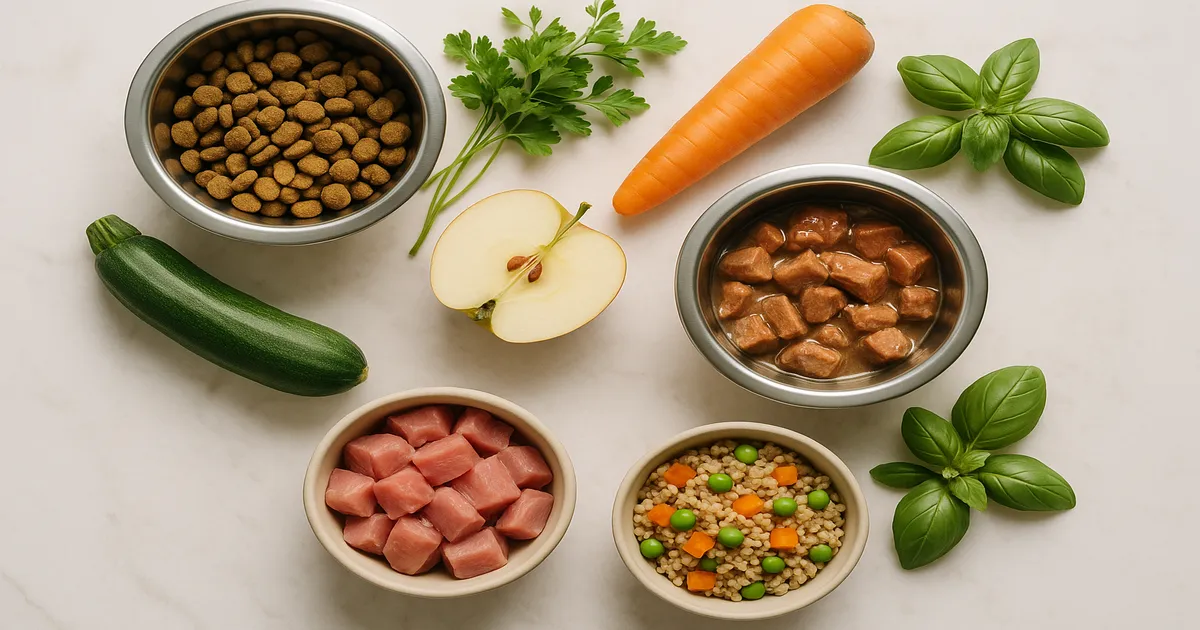
- Tier 3 – High value: Real meat (cooked chicken breast, beef liver, freeze-dried salmon) — for difficult behaviors, recall, or high-distraction environments
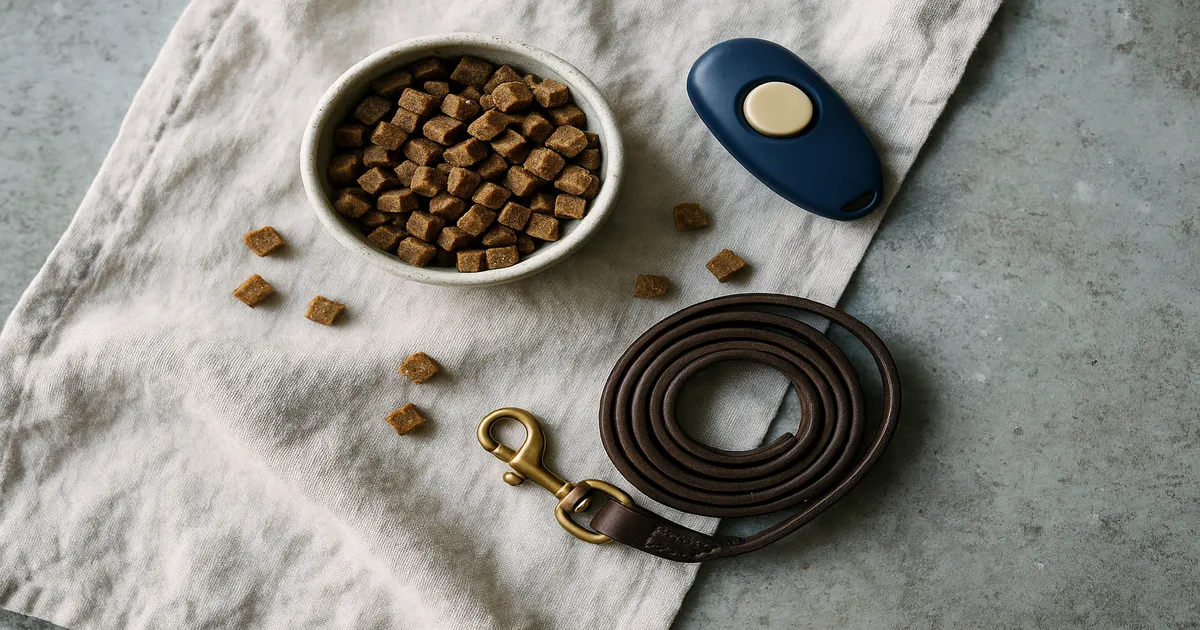
Keep every piece pea-sized or smaller — roughly ¼ inch (0.6 cm). Small pieces let you deliver 50–100 rewards without blowing your dog’s calorie budget.
Step 4: Build Anticipation Before Sessions
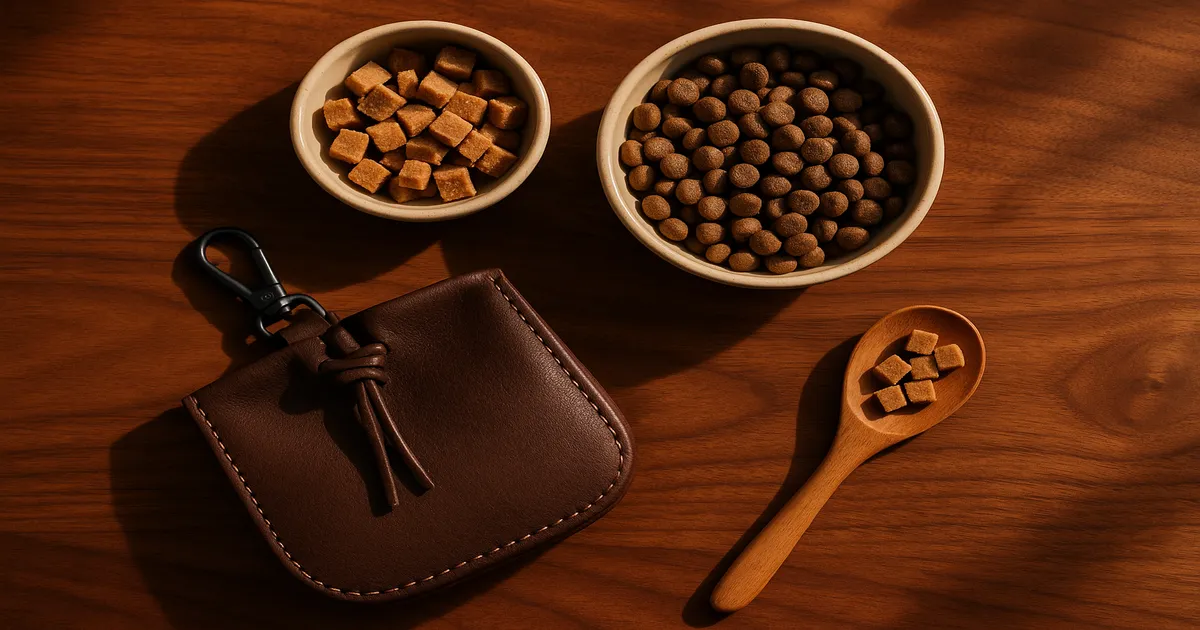
Anticipation is a neurological state, and you can deliberately cultivate it. Pair a consistent verbal cue — “ready?” or “let’s work!” — with showing your dog the treat pouch before every session. Over time, the sight of that pouch alone will trigger visible excitement: tail wagging, attention snapping to you, a dog that’s practically vibrating with readiness.
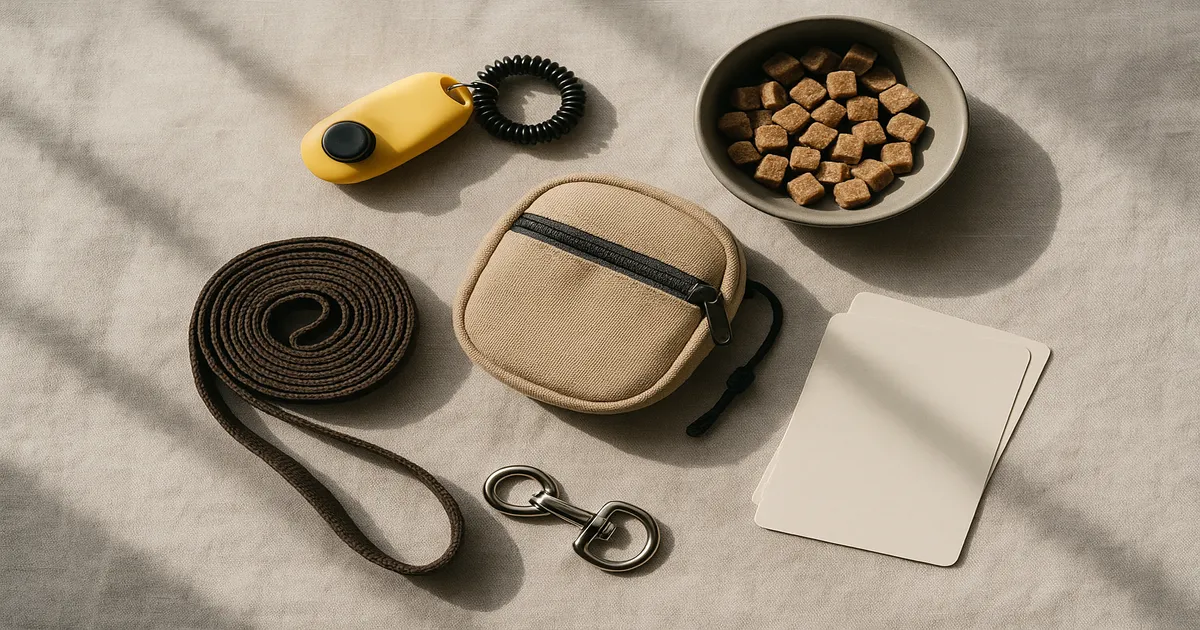
Wearing a dedicated treat pouch like the Ruffwear Treat Trader consistently during sessions accelerates this conditioning. Once a behavior is learned, shift from rewarding every repetition to a variable schedule — unpredictable rewards dramatically increase drive intensity, for the same neurological reason slot machines are compelling.
Step 5: Pair Food With Play and Social Interaction
Hand-feed as much as possible during the drive-building phase. Every piece of food delivered directly from your hand strengthens the association between you, food, and reward. Occasionally deliver treats during or immediately after brief play sessions to link food with high-arousal states.
In group class settings, dogs often show increased food motivation when they observe other dogs working for rewards. Social facilitation is a real phenomenon — use it.
Exercise, Enrichment, and Food Drive
Moderate exercise before a training session — followed by 20–30 minutes of rest — can sharpen focus and boost motivation, especially in high-energy breeds. The key word is before. A dog that just finished a hard run needs recovery time before their brain is ready to engage.
Mental exhaustion can also temporarily suppress food drive. If you run your dog through a long puzzle feeder session and then try to train, you may find a dog that’s checked out. Always train before mentally taxing activities, not after.
The right enrichment tools actively build food drive over time:
- Stuffed Kongs (frozen for extended engagement) (KONG Classic) teach dogs that effort produces food — exactly the mindset you want in training
- Snuffle mats and licki mats (LickiMat Soother) engage natural foraging instincts
- Scatter feeding — tossing kibble in grass — activates food-seeking behavior
- Nose work and scent games build food-seeking drive powerfully and translate directly to training engagement
Nutrition and Treat Selection
Best High-Value Treats for Building Food Drive
The best training treats are highly palatable, low in calories, and easy to deliver in tiny pieces:
- Cooked chicken breast (unseasoned, boneless) — universally palatable, low fat, around 3–5 kcal per pea-sized piece
- Beef liver (cooked or freeze-dried) — the gold standard for scent and palatability; use in moderation due to high Vitamin A content
- Freeze-dried salmon or sardines — strong scent, great for distracting environments
- String cheese — convenient, moderate value, breaks into tiny pieces easily
Caloric Management: The 10% Rule
Treats should never exceed 10% of your dog’s total daily calories — that’s the AAHA guideline. A 50 lb (23 kg) adult dog needs roughly 1,000–1,200 kcal per day. A pea-sized piece of chicken breast is only 3–5 kcal, which means you can deliver 50–100+ rewards and still stay well within budget. Freeze-dried liver is the exception — many products contain 30–50 kcal per full-sized treat. Break them into tiny fragments and check labels carefully.
For dogs with food allergies (which affect roughly 10–15% of allergic dogs), switch to novel protein treats — venison, rabbit, duck, or kangaroo. Dogs with a history of pancreatitis need low-fat options; stick to lean proteins and avoid cheese or fatty meats.
Troubleshooting: When Your Dog Won’t Take Treats
Common Reasons Dogs Refuse Treats
| Problem | Likely Cause | Solution |
|---|---|---|
| Won’t eat in new environments | Stress/cortisol suppression | Train at home first; proof gradually |
| Takes treat but disengages | Treat value too low | Upgrade to Tier 3 treats |
| Loses interest quickly | Over-training or fatigue | Shorten sessions to 2–3 minutes |
| Refuses treats after a meal | Satiation | Always train before meals, not after |
| Never interested in food | Possible medical issue | Full veterinary evaluation |
Medical Conditions That Suppress Food Drive
Any sudden change in food motivation warrants a vet visit. Common culprits include nausea from medications (NSAIDs, antibiotics), dental pain, gastrointestinal disease, hypothyroidism, and chronic pain from arthritis or hip dysplasia. A full workup — CBC, chemistry panel, and thyroid panel — is the right starting point for a dog that has suddenly stopped engaging with food rewards.
Environment and Distraction Proofing
Food drive doesn’t automatically transfer to new environments — you have to rebuild it at each level. Follow this six-stage progression:
- Quiet indoor room
- Different rooms in the home
- Backyard (familiar outdoor space)
- Quiet neighborhood street
- Moderately busy park
- High-distraction environments (pet stores, training classes)
One practical note: heat suppresses drive. If it’s above 85°F (29°C), schedule sessions in the early morning or evening.
Special Considerations by Life Stage and Dog Type
Puppies (8 weeks–18 months) are in the most receptive window for food drive development. Start earning meals immediately, keep sessions playful, and prioritize positive associations over formal obedience in the early months.
Rescue and shelter dogs often need extra patience. Food drive training does double duty here — it builds motivation and trust. Start in the quietest possible environment, use high-value treats, and keep sessions very short. Progress may be slower, but the foundation will be solid.
Senior dogs can develop food drive at any age. Adjust treat texture for dental comfort — soft, moist treats work better than hard biscuits. Shorten sessions to account for lower stamina and watch for signs of fatigue.
Toy breeds under 10 lbs (4.5 kg) require extra caloric vigilance. A single session with standard-sized treats can represent a significant chunk of their daily intake. Use crumb-sized pieces, not pea-sized.
Guardian and low-drive breeds (Great Pyrenees, Kangal, Anatolian Shepherd) often respond better when food is paired with social rewards — genuine praise, petting, and calm interaction alongside the treat. Don’t abandon food rewards; just don’t rely on them exclusively.
Frequently Asked Questions About Building Food Drive
How long does it take to build food drive in a dog?
Most dogs show noticeable improvement within one to two weeks of eliminating free feeding and switching to meal-based training. Building reliable food drive across varied environments typically takes four to eight weeks of consistent practice. Breed, age, and starting motivation level all affect the timeline.
Can you build food drive in a dog that seems completely uninterested in food?
Yes — in most cases, you can. The most common causes of low food motivation are free feeding, low treat value, and stress, all of which are addressable. Rule out medical issues first if the dog has never responded to food in training.
Should I withhold food to increase food drive?
Structure meals rather than withhold food. Eliminating free feeding and moving to two timed meals per day creates mild, healthy hunger that sharpens motivation. Starving a dog is never appropriate — extreme hunger causes stress, which actually suppresses food drive rather than enhancing it.
What are the best treats for building food drive?
Cooked chicken breast, beef liver, and freeze-dried salmon are consistently the most effective high-value options. The best treat is ultimately the one your individual dog finds most exciting — some dogs go wild for cheese, others for hot dogs. Keep pieces pea-sized and stay within the 10% daily calorie guideline.
Why does my dog lose interest in treats mid-session?
The most common reasons are treat value too low, sessions running too long, training after a meal, or stress in the environment. If your dog takes treats at home but refuses them elsewhere, stress is likely the culprit — not stubbornness. Shorten sessions, upgrade your treats, and always train before meals rather than after.