Quick Answer: Healthy adult Bernese Mountain Dogs should be bathed every 6–8 weeks. Active dogs that hike or swim may need a bath every 4–6 weeks. Bathing too often strips the natural oils from their double coat, while going too long between baths leads to matting and odor. The right schedule depends on your dog’s lifestyle, age, and skin health.
How Often Should You Bathe Your Bernese Mountain Dog?
For most healthy adult Berners, a bath every 6–8 weeks is the sweet spot. But how often you should bathe your Bernese Mountain Dog isn’t a one-size-fits-all answer — lifestyle plays a huge role. Here’s how the most common factors shift that baseline:
| Factor | Recommended Frequency |
|---|---|
| Indoor / low-activity dog | Every 6–8 weeks |
| Active dog (hiking, outdoor play) | Every 4–6 weeks |
| Dog that swims in ponds or lakes | Every 4–6 weeks |
| Show dog | 1–2 days before each show |
| Puppy under 8 weeks | Avoid — spot-clean only |
| Puppy 8–16 weeks | Only when necessary; gentle puppy shampoo |
| Senior dog | Every 6–8 weeks; monitor skin closely |
| Dog with allergies or skin condition | Follow your vet’s specific guidance |
When to Bathe More — or Less — Frequently
Over-bathing is a real problem. Strip the coat of its natural oils too often and you’ll see dry, brittle fur, increased dandruff, and a dog that scratches constantly. On the flip side, skipping baths for months allows dirt and debris to work into the undercoat, speeding up mat formation and creating that distinctive stale odor even when your Berner is bone dry.
If your dog develops a sudden smell between baths, resist the urge to simply bathe more often. Investigate first. Skin infections, ear problems, and anal gland issues are common culprits that bathing alone won’t fix.
Understanding the Bernese Mountain Dog’s Double Coat
Outer Coat vs. Undercoat
A Berner’s coat is built for the Swiss Alps. The outer layer consists of straight-to-wavy guard hairs that repel moisture and debris. Beneath that sits a dense, soft undercoat that insulates in winter and — when intact — reflects heat in summer.
When you bathe your Berner, water and shampoo need to penetrate both layers fully. That’s why rinsing takes far longer than most owners expect.
The Tri-Color Pattern and White Markings
The iconic tri-color — jet black with rich rust accents and crisp white markings on the chest, muzzle, paws, and tail tip — is one of the breed’s defining features. Those white areas are also the first to show staining. Grass, dirt, and saliva can yellow the chest “Swiss cross” over time. A whitening shampoo applied only to those specific areas during bath time can restore brightness without over-processing the rest of the coat.
Never Shave a Bernese Mountain Dog
It seems logical — big fluffy dog, hot summer, grab the clippers. Don’t. Shaving a double-coated dog removes the system that regulates body temperature. The undercoat doesn’t just keep them warm; it also shields against solar heat and UV radiation. Shaving can permanently damage coat texture, causing it to grow back patchy or coarse. If your Berner is struggling in the heat, focus on shade, cool water, and limiting exercise to early morning and evening instead.
Factors That Affect How Often to Bathe Your Bernese Mountain Dog
Activity Level and Outdoor Exposure
A Berner who hikes muddy trails, splashes through creeks, or rolls in whatever they found in the backyard needs more frequent baths — think every 4–6 weeks. A calmer, mostly indoor dog can comfortably stretch to 8 weeks without any issues.
Swimming in natural water sources is a special case. Algae, bacteria, and organic debris cling to the dense undercoat, so rinse your dog thoroughly after any swim even if a full shampoo bath isn’t due yet.
Age: Puppies, Adults, and Seniors
Never bathe a puppy under 8 weeks old — their ability to regulate body temperature is still developing, and a bath can cause dangerous chilling. Between 8 and 16 weeks, bathe only when genuinely necessary using a gentle puppy-formulated shampoo.
Senior Berners generally do fine on the standard 6–8 week schedule, but pay closer attention to skin condition at each bath. Older dogs can develop lumps, thinning skin, or new sensitivities that warrant a vet conversation.
Skin Conditions and Veterinary Guidance
If your Berner has environmental allergies, atopic dermatitis, or a recurring skin infection, a general grooming article can’t give you the right schedule — your veterinarian can. Some allergic dogs benefit from more frequent baths (every 1–2 weeks) with a medicated or hypoallergenic shampoo to remove allergens from the coat. Others need the opposite. Follow your vet’s protocol.
Step-by-Step Guide to Bathing a Bernese Mountain Dog
Step 1: Brush Before You Begin
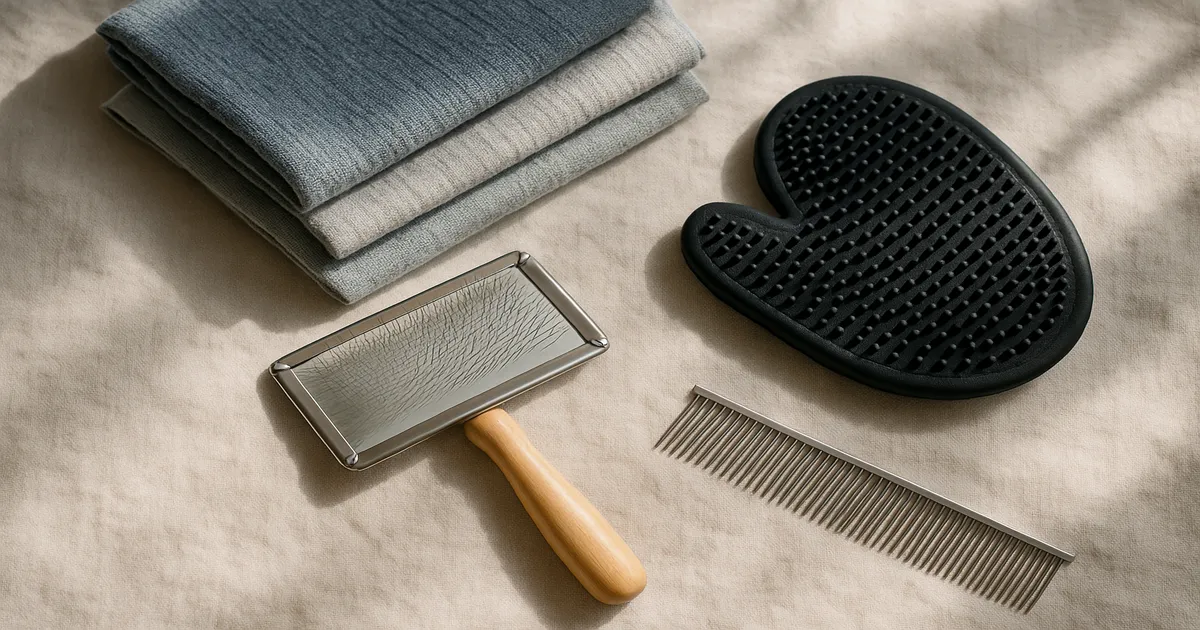
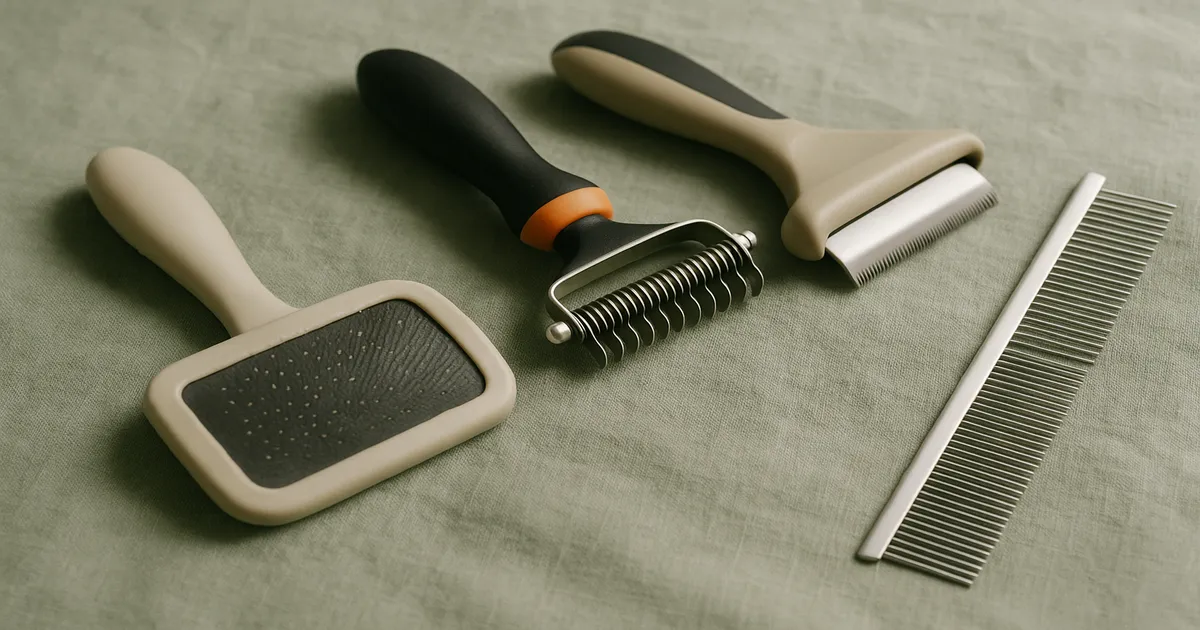
This step is non-negotiable. Wet mats tighten into dense, painful knots that are nearly impossible to remove without cutting. Work through the entire coat with a slicker brush, then finish with a wide-tooth metal comb — especially behind the ears and in the armpits.
Step 2: Wet the Coat Thoroughly
Use lukewarm water. Berners are heat-sensitive, and hot water is uncomfortable and unnecessary. Take your time wetting the coat all the way down to the skin — that thick undercoat is surprisingly good at staying dry.
Step 3: Apply the Right Shampoo
Use a dog-specific shampoo. Human shampoos have a different pH than canine skin and will cause irritation over time. Work the shampoo down through the guard hairs and into the undercoat with your fingers, not just across the surface. Pay extra attention to the paws, groin, and underbelly where dirt accumulates. For routine baths, an oatmeal-based or hypoallergenic formula is a safe all-purpose choice.
Step 4: Rinse Completely
Residual shampoo trapped in a double coat is one of the most common causes of post-bath itching in heavy-coated breeds. Rinse until the water runs completely clear — then rinse again. If you think you’re done, you’re probably not.
Step 5: Condition and Detangle
Apply a dog conditioner or detangling spray after rinsing out the shampoo. This makes drying easier, reduces static, and helps prevent new mats as the coat dries. Rinse thoroughly, or use a leave-in formula if the label is designed for that.
Step 6: Dry Completely — No Exceptions
Never let a Bernese Mountain Dog air-dry. The dense undercoat traps moisture against the skin for hours, creating ideal conditions for hot spots — painful, infected skin lesions that develop rapidly. Use a high-velocity dog dryer or a human blow-dryer on the lowest heat setting, working in sections while brushing simultaneously. Keep the dryer moving and check the skin temperature with your hand regularly. The coat must be completely dry all the way to the skin before you stop.
Grooming Your Bernese Mountain Dog Between Baths
Brushing Frequency and Tools
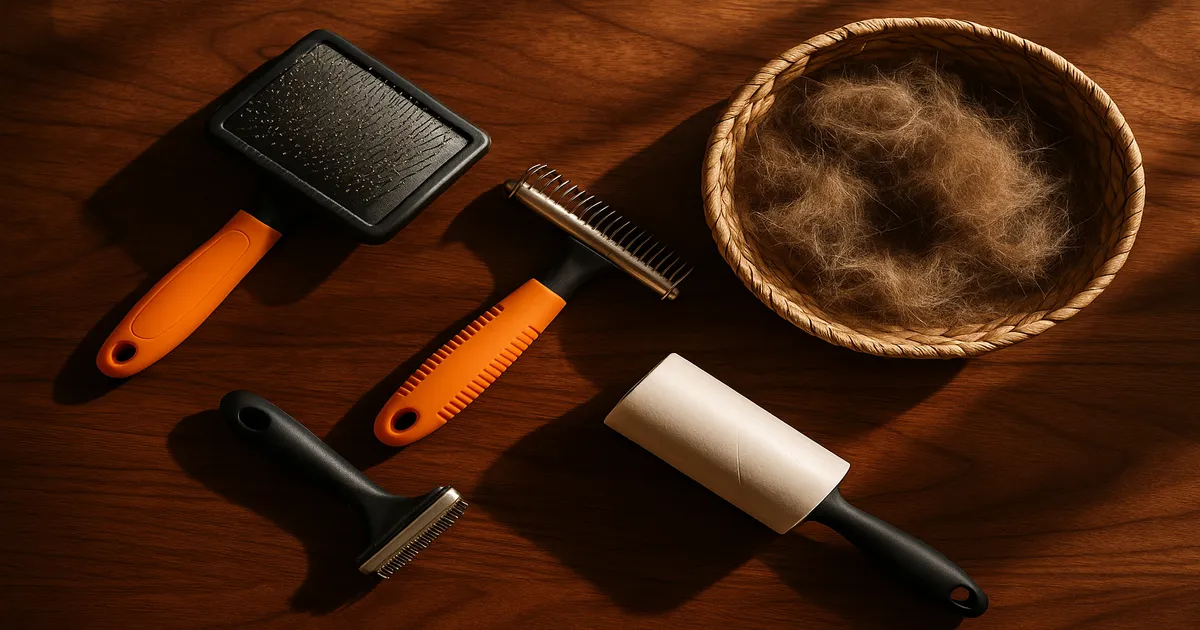
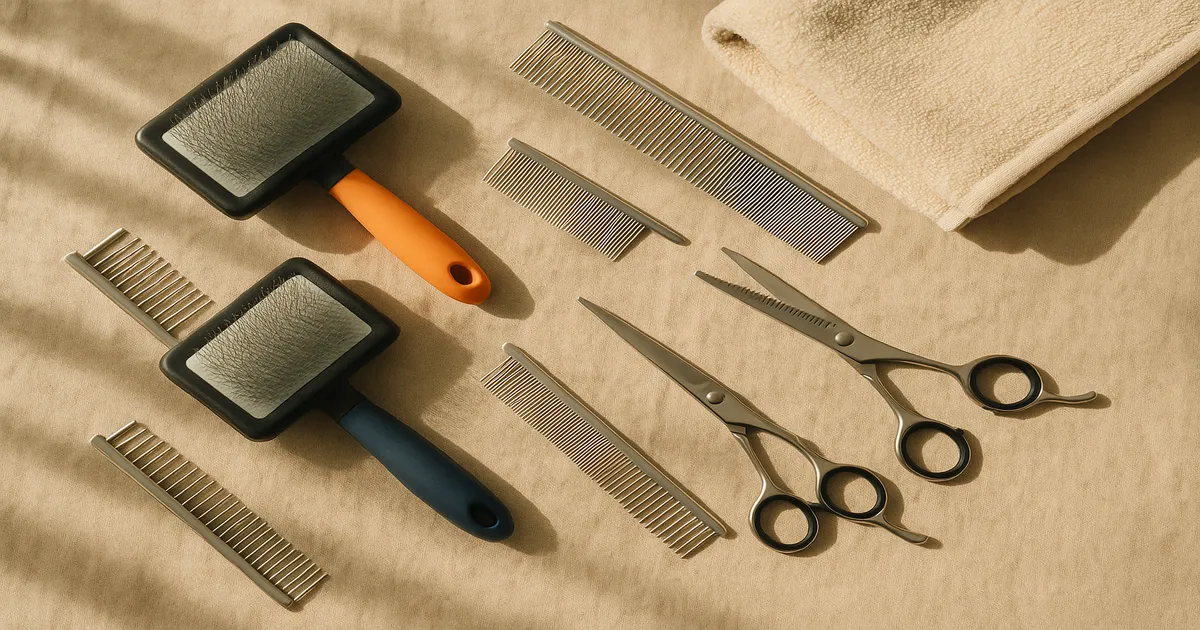
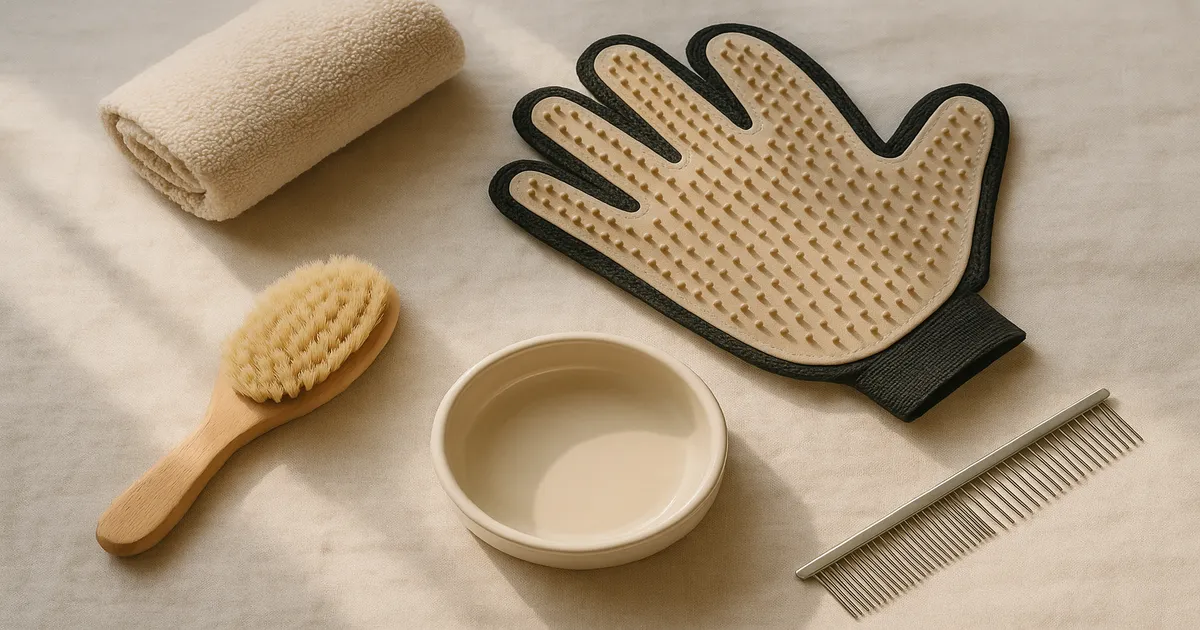
Brush your Berner at least 2–3 times per week during quieter periods, and daily during the spring and fall coat blowouts. The right toolkit matters:
- Slicker brush — daily detangling and surface coat maintenance
- Undercoat rake or deshedding tool — reaches the dense undercoat to pull out loose fur (Chris Christensen Butter Comb)
- Wide-tooth metal comb — the final check for hidden mats
The highest-risk areas for matting are behind the ears, under the armpits, around the collar, and in the groin. Hit those spots first at every session.
Nail Trimming
Trim nails every 3–4 weeks. Overgrown nails alter gait and add stress to joints — a real concern in a breed already prone to hip and elbow dysplasia. If you can hear clicking on a hard floor, they’re overdue. For dark nails, trim small slivers at a time and look at the cut surface — a small dark dot in the center means you’re getting close.
Ear Cleaning
Berners have drop ears that fold over the ear canal, limiting airflow and creating a warm, moist environment where yeast and bacteria thrive. Clean ears every 2–4 weeks and after every swim using a veterinarian-approved ear cleaning solution on a cotton ball — never a cotton swab inside the canal. (Zymox Ear Cleanser) Redness, dark discharge, odor, or head-shaking all mean a vet visit, not a home cleaning.
Dental Care
Brush your Berner’s teeth at least 2–3 times per week using an enzymatic dog toothpaste — never human toothpaste, which contains xylitol, a compound toxic to dogs. Supplement with VOHC-approved dental chews to keep plaque in check between brushing sessions.
Professional Grooming vs. Bathing at Home
A full professional groom covers the bath, high-velocity blow-dry, thorough brush-out, nail trim, ear cleaning, and a sanitary trim. For a coat as substantial as a Berner’s, this is a multi-hour appointment. Expect to pay $75–$150+ depending on your location, the groomer’s experience, and the condition of the coat. A matted coat costs more and takes longer.
When choosing a groomer, ask specifically whether they have experience with double-coated breeds and whether they use a high-velocity dryer. A groomer who suggests shaving to make things easier is a dealbreaker. Booking every 8–12 weeks as a complement to regular at-home brushing is a sensible approach for most owners.
Health Considerations That Affect Grooming
Every bath and brushing session is a chance to run your hands over your dog’s entire body. Berners are prone to certain cancers, autoimmune conditions, and skin issues, and catching a new lump or hot spot early can genuinely affect outcomes. Make it a habit to check the skin as you groom — not just the coat.
Hip and elbow dysplasia are common in this breed. Standing on a slippery tub surface for 20–30 minutes is uncomfortable for a dog with joint pain. Use a non-slip bath mat, consider a walk-in shower rather than a tub, and keep sessions efficient and calm.
With a median lifespan of around 7–8 years, Berners move into their senior years earlier than many owners expect. If your senior Berner is becoming reluctant about grooming, check with your vet to rule out underlying pain before assuming it’s behavioral.
Frequently Asked Questions
How often should you bathe your Bernese Mountain Dog?
Most healthy adult Berners do best with a bath every 6–8 weeks. Active dogs that hike or swim regularly may need one every 4–6 weeks. Bathing more often than every 3–4 weeks — without veterinary guidance — risks stripping the coat’s natural oils and irritating the skin.
What happens if you don’t bathe a Bernese Mountain Dog regularly?
Dirt, debris, and excess oils accumulate in the dense undercoat, accelerating mat formation and causing persistent odor. In severe cases, neglected coats can develop “pelting” — where the undercoat mats so tightly against the skin that a full shave-down is the only option. Regular baths combined with consistent brushing keep the coat manageable and the skin healthy.
How do you dry a Bernese Mountain Dog after a bath?
Always dry a Berner completely using a high-velocity dog dryer or a blow-dryer on a low-heat setting — never air-dry. The dense undercoat traps moisture against the skin for hours, which can trigger hot spots (acute moist dermatitis). Work in sections, brushing as you dry, and confirm the coat is dry all the way to the skin before you finish.
What is the best shampoo for a Bernese Mountain Dog?
For routine baths, an oatmeal-based or hypoallergenic shampoo cleans effectively without irritating sensitive skin. Use a whitening shampoo on the white chest and muzzle markings to prevent yellowing, and switch to a deshedding formula during the spring and fall coat blowouts. Avoid shampoos containing parabens, sulfates, artificial fragrances, or concentrated tea tree oil.
Can you prevent mats between baths?
Yes — consistent brushing is the only real answer. Aim for 2–3 times per week at minimum, and daily during shedding season. Focus on the areas most prone to matting: behind the ears, under the armpits, around the collar, and in the groin. A light spritz of detangling spray before brushing makes the process easier and reduces breakage. (Stuff Conditioner & Detangler)