Quick Answer: Shelties shed so much because they were bred for the harsh Shetland Islands climate and carry a dense double coat that sheds year-round — with two dramatic seasonal “coat blows” each spring and fall. Most heavy shedding is completely normal for the breed, but sudden changes in shedding patterns, bald patches, or skin changes can signal a health issue worth discussing with your vet.
If you’re asking why is my Sheltie shedding so much, the honest answer is: it’s mostly the breed. Shetland Sheepdogs are genetically wired to produce impressive amounts of fur, and no grooming routine will change that fundamental fact. What you can do is understand what’s driving the shedding, catch any health red flags early, and build a routine that keeps it manageable.
Why Is My Sheltie Shedding So Much? The Main Reasons
Shelties consistently rate 5 out of 5 on shedding scales. Their thick double coat — the same coat that kept their ancestors alive on the windswept Shetland Islands — sheds continuously year-round, with two major seasonal events each spring and fall. Add in hormonal cycles, stress responses, and life-stage changes, and you have a dog that simply produces a lot of fur. That’s not a problem to fix; it’s a breed characteristic to manage.
When Shedding Becomes a Red Flag
Most Sheltie shedding is normal. But call your vet if you notice any of the following alongside increased fur loss:
- Bald patches or thinning in specific areas
- Red, flaky, or irritated skin
- Coat texture that has changed noticeably (suddenly coarser or softer)
- Shedding that started suddenly with no seasonal trigger
- Other symptoms like weight gain, lethargy, or increased thirst
These can point to hypothyroidism, Cushing’s disease, allergies, or parasites — all treatable once diagnosed.
Understanding the Sheltie’s Double Coat
The Sheltie’s coat isn’t just pretty — it’s a precision tool shaped by centuries of island survival. The breed developed on the Shetland Islands, a remote Scottish archipelago with cold, wet, and frequently brutal weather. Their coat evolved to handle all of it.
The outer coat is made up of long, straight guard hairs with a harsh texture that repels water and dirt. The undercoat is dense, soft, and woolly — and it’s the main source of all that fur on your furniture. These two layers work together: the outer coat shields against the elements, while the undercoat provides insulation against both cold and heat.
This is why shaving a Sheltie is a bad idea. Remove the outer coat and you strip away the dog’s natural thermoregulation system. Selective breeding locked this coat into the Sheltie’s DNA, so your dog’s genetic blueprint is still fully operational in your living room — producing fur at an impressive rate whether you like it or not.
The 6 Most Common Reasons Shelties Shed So Much
1. Year-Round Baseline Shedding
Even outside of shedding seasons, Shelties shed continuously. Dead undercoat hairs are always cycling out. Regular brushing is what keeps this manageable rather than overwhelming.
2. Seasonal Coat Blows in Spring and Fall
Twice a year, your Sheltie will “blow their coat” — a concentrated shedding event where the undercoat releases en masse over two to four weeks. Spring coat blow sheds the heavy winter undercoat; fall coat blow makes room for denser winter growth. During this period, owners often joke they could stuff a pillow with what they brush out in a single session. Daily brushing during coat blow is non-negotiable.
3. Hormonal Shedding in Intact Females
Unspayed female Shelties typically experience a significant coat blow roughly three months after each heat cycle, regardless of the season. This is hormonally driven and predictable — if your female recently went through heat, the shedding surge you’re seeing now makes complete sense.
4. Stress-Triggered Shedding
You’ve probably noticed your Sheltie leaving a fur trail at the vet’s office. Acute stress — from travel, veterinary visits, boarding, or household changes like a new pet or baby — can trigger a temporary shedding spike. It usually resolves once the stressor passes.
5. Diet and Nutritional Deficiencies
A coat is only as healthy as the nutrition supporting it. Diets lacking in quality protein or essential fatty acids (particularly omega-3 and omega-6) produce brittle, dull coats that shed excessively. If you’ve recently changed your Sheltie’s food and noticed more shedding, diet is worth investigating.
6. Underlying Health Conditions
Medical causes of excessive shedding include hypothyroidism, Cushing’s disease, food or environmental allergies, dermatomyositis, and external parasites. These are covered in detail in the next section.
Health Conditions That Can Cause Excessive Sheltie Shedding
Hypothyroidism
Hypothyroidism — an underactive thyroid gland — is one of the most common endocrine disorders in Shelties. Thyroid hormone plays a direct role in coat health, so when levels drop, the coat often suffers first. Watch for unexplained weight gain, lethargy, cold intolerance, and a dull or patchy coat. The good news: hypothyroidism is diagnosed with a simple blood panel and managed effectively with daily oral medication.
Cushing’s Disease
Cushing’s disease (hyperadrenocorticism) causes the body to overproduce cortisol, which disrupts normal hair growth cycles. Symptoms include a pot-bellied appearance, increased thirst and urination, and symmetrical hair thinning — often on the flanks and belly. It’s less common than hypothyroidism but worth ruling out if shedding is abnormal.
Allergies and Dermatomyositis
Environmental allergens (pollen, dust mites, mold) and food ingredients can both trigger skin inflammation that leads to increased shedding and scratching. Shelties are also uniquely prone to dermatomyositis — a hereditary inflammatory disease affecting skin and muscle tissue, producing lesions on the face, ears, and tail tip. It ranges from mild to severely debilitating and requires veterinary management.
Parasites
Fleas, mites, and lice can cause intense itching and localized hair loss. The dense Sheltie coat can actually make it harder to spot a flea infestation, so part the fur and inspect the skin directly if you suspect parasites.
A Note on the MDR1 Gene Mutation
Approximately 15% of Shelties carry the MDR1 gene mutation, which causes dangerous sensitivity to certain medications — including ivermectin and some anti-parasitic treatments. Make sure your vet knows your dog’s MDR1 status before prescribing any new medication. DNA testing is available and strongly recommended for all Sheltie owners.
How to Manage Sheltie Shedding: Grooming and Routine
Brushing Frequency by Season
- Non-shedding season: 2–3 times per week
- Coat blow season: Daily, without exception
- Absolute minimum: Once per week — though this will feel inadequate during heavy shedding
Always mist the coat lightly with a conditioning spray before brushing. Brushing a completely dry or dirty coat breaks the outer guard hairs and causes unnecessary damage.
The Right Tools for the Job
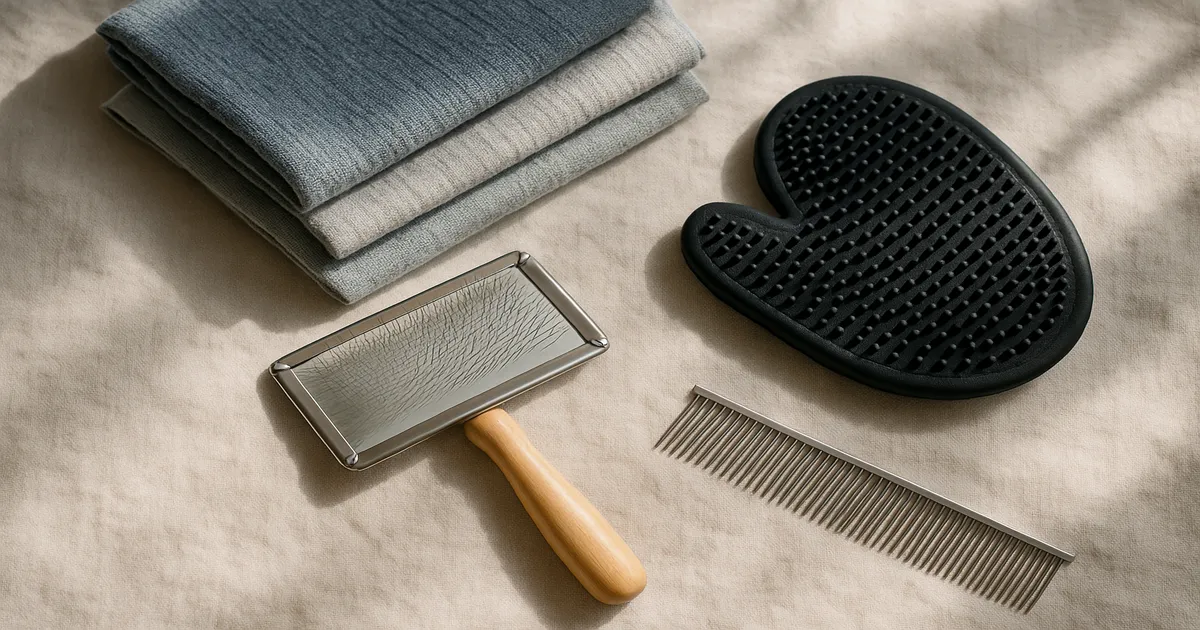
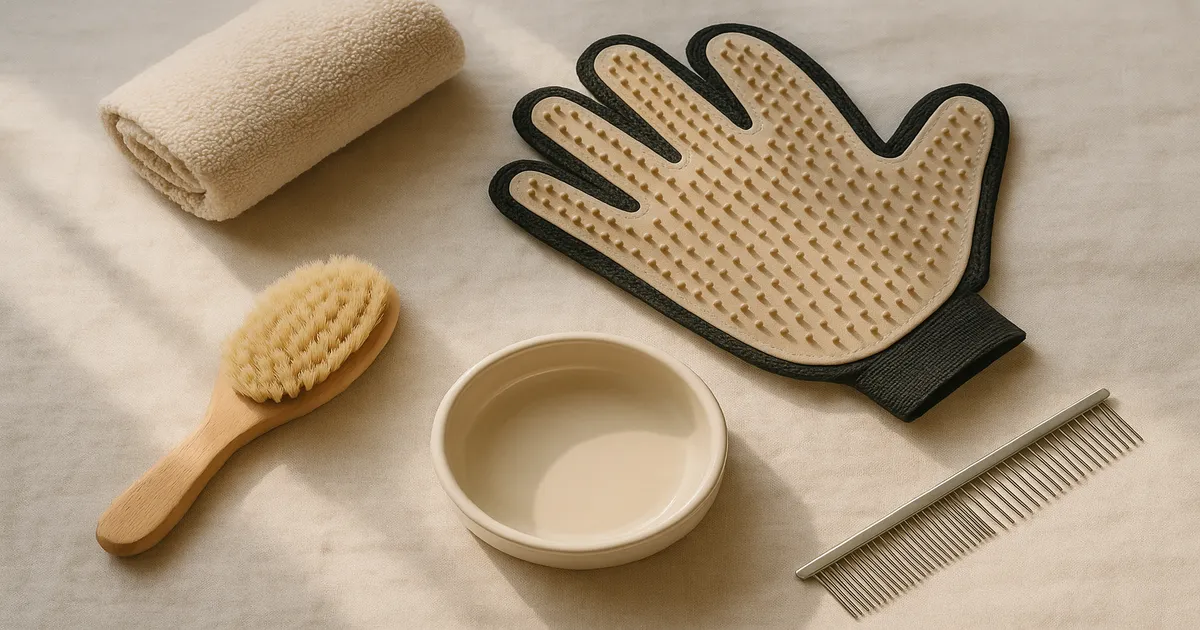
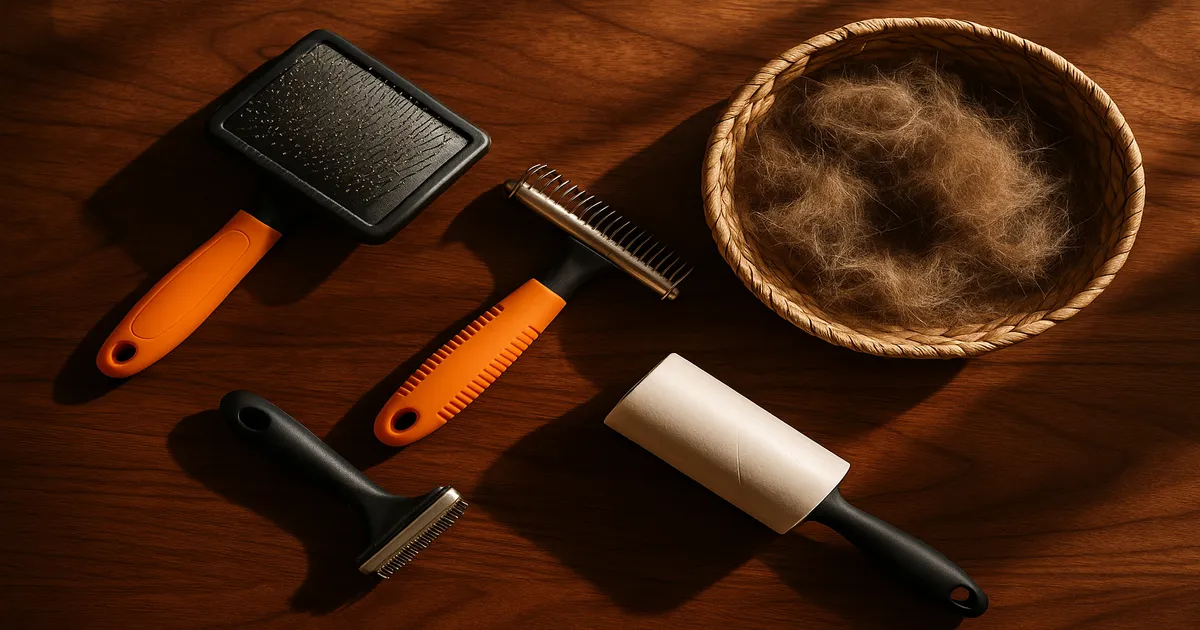
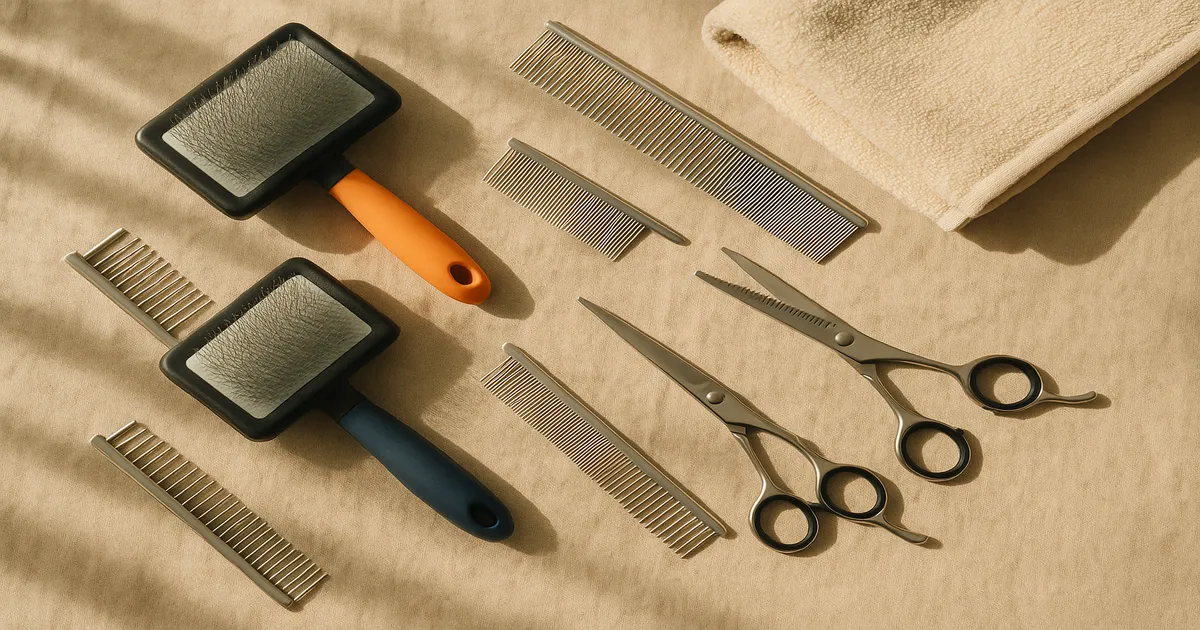
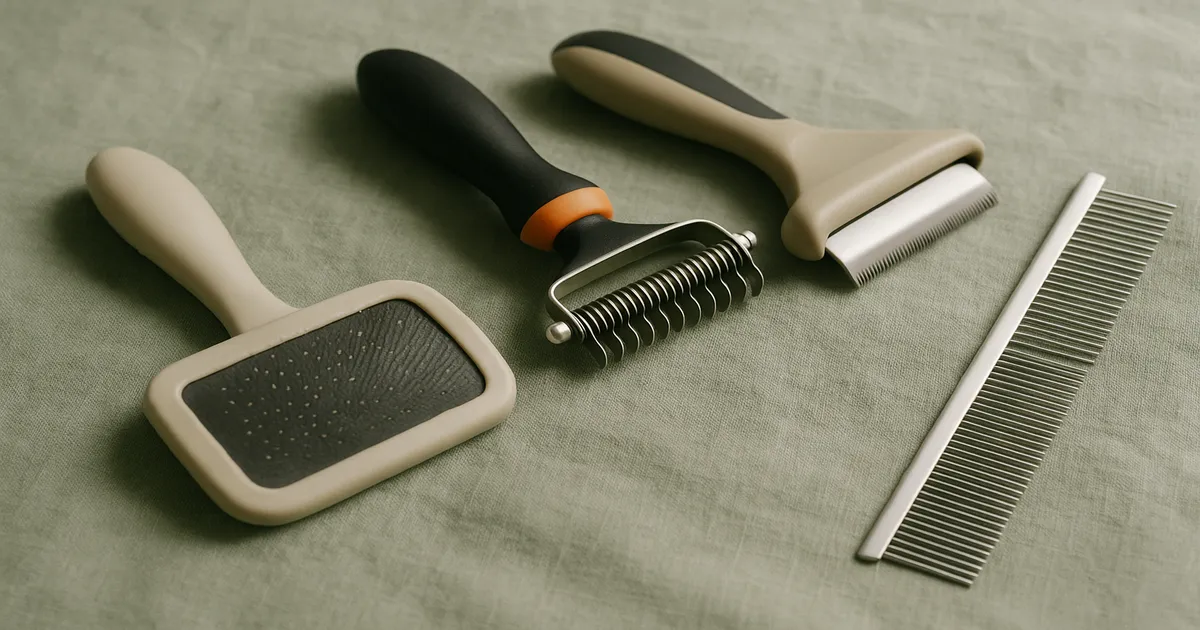
Each of these tools has a specific role:
- Slicker brush — surface detangling and smoothing the outer coat
- Pin brush — gentle daily maintenance on the outer coat
- Long-toothed metal comb — the final check; run it through after brushing to confirm there are no hidden mats
- Undercoat rake or deshedding tool — essential during coat blow; use with a light hand to avoid damaging the outer coat
- Dematting comb — for working through tangles in mat-prone areas without cutting
Pay special attention to behind the ears, the “armpits,” around the collar, and the hindquarters — these are the areas most likely to mat.
Bathing Tips That Reduce Shedding
Bathe your Sheltie every six to eight weeks under normal circumstances. During coat blow, a bath with a deshedding shampoo can loosen and remove a remarkable amount of undercoat in one session.
Thorough drying is critical. The dense undercoat holds moisture long after the outer coat feels dry, and damp undercoat creates the perfect conditions for hot spots (acute moist dermatitis). Use a high-velocity pet dryer or a standard blow dryer on a warm setting while brushing the coat out section by section.
Professional Grooming
A professional grooming appointment every eight to twelve weeks is genuinely worthwhile for Shelties. Ask specifically for a deshedding treatment — a thorough wash, blow-out, and undercoat removal that goes well beyond what most owners can achieve at home. It can dramatically reduce fur volume in your house for weeks afterward.
Never Shave a Sheltie
Shaving a Sheltie is one of the most common and damaging mistakes owners make. It does not reduce long-term shedding. The double coat insulates against both cold and heat — shaving actually makes your dog more vulnerable to temperature extremes and sunburn. Worse, the coat may not grow back correctly, a condition called post-clipping alopecia, where the undercoat regrows unevenly or not at all. No matter how tempting it seems during peak shedding season, don’t do it.
Diet and Nutrition to Support a Healthy Sheltie Coat
The coat is one of the body’s highest-maintenance systems nutritionally. When a dog’s diet is deficient, the body redirects nutrients to vital organs first — and coat quality suffers. Excessive shedding, dull fur, and brittle hair are often the first visible signs of nutritional shortfalls.
Omega-3 and omega-6 fatty acids are the single most impactful nutrients for coat health. They reduce skin inflammation, support the hair follicle, and produce that glossy coat you want. Look for dog foods that list salmon, sardines, or other fish as a primary protein source, or that include fish oil as an ingredient. Your vet may also recommend adding a fish oil supplement directly to meals. Start with your vet’s guidance on dosing — too much can cause digestive upset.
For food selection, look for AAFCO-compliant formulas that list a named animal protein (chicken, salmon, beef) as the first ingredient. A high-quality diet won’t eliminate shedding, but it ensures you’re not dealing with extra shedding caused by preventable nutritional gaps.
Sheltie Shedding by Life Stage
Puppies (6–12 months): Sheltie puppies shed their soft puppy coat as the adult double coat grows in. This transition can look alarming — patchy, uneven, and seemingly sudden. It’s completely normal. The adult coat takes up to two years to fully develop.
Adults (1–7 years): Adult Shelties are in their peak shedding years with full, dense coats and two significant seasonal coat blows annually. A consistent brushing routine pays off the most during this stage. Skipping sessions during coat blow leads to matting that can only be resolved by cutting.
Seniors (7+ years): Older Shelties may shed somewhat differently as coat density naturally changes with age. Some develop thinner coats; others experience increased shedding related to age-associated health changes like thyroid dysfunction. Annual bloodwork including a thyroid panel is especially important for Shelties over five years old.
Spayed and neutered dogs: Altering can change coat texture. Some spayed or neutered Shelties develop a softer, denser undercoat that mats more easily than the typical adult coat. Increase brushing frequency and pay closer attention to mat-prone areas after the procedure.
Practical Tips for Living With a Heavy-Shedding Sheltie
Staying ahead of the fur is the goal — not eliminating it entirely. A few habits make a big difference:
- Vacuum high-traffic areas at least three times per week during coat blow, and weekly during calmer periods. A vacuum with strong suction and a motorized pet hair attachment is worth the investment.
- Use washable dog blankets on furniture your Sheltie frequents and throw them in the wash weekly.
- Brush your Sheltie before they settle on the furniture, not after.
- Keep a quality lint roller at every door and one in your car.
- Choose tightly woven fabrics for furniture and clothing — they trap less fur than loosely woven ones. A damp rubber glove run over upholstery lifts embedded fur that vacuums miss.
Is a Sheltie Right for You If Shedding Is a Concern?
Honest answer: if you’re unwilling to vacuum frequently and brush a dog several times per week, a Sheltie will frustrate you. The fur is real, it’s constant, and no grooming hack eliminates it entirely. But for the right owner, the trade-off is absolutely worth it. Shelties rank among the most intelligent dog breeds in the world — sixth out of 138 in Stanley Coren’s The Intelligence of Dogs — they’re deeply loyal, and they bond with their families in a way that’s genuinely hard to describe. The grooming commitment is significant. So is what you get in return.
Frequently Asked Questions About Sheltie Shedding
Why is my Sheltie shedding so much all of a sudden?
Sudden shedding spikes are most often caused by stress, a recent heat cycle in intact females, a diet change, or an underlying health issue such as hypothyroidism, Cushing’s disease, allergies, or parasites. If the increased shedding comes with bald patches, skin changes, or other symptoms, schedule a veterinary appointment to rule out a medical cause.
How long does a Sheltie coat blow last?
A seasonal coat blow typically lasts two to four weeks and occurs twice a year, usually in spring and fall. Daily brushing and a deshedding bath can help move the process along more quickly.
Do Shelties shed more than other dogs?
Yes. Shelties are consistently rated as one of the heaviest-shedding breeds, scoring 5 out of 5 on most shedding scales. Their dense double coat sheds year-round with two major seasonal events, producing significantly more fur than average or single-coated breeds.
Can shaving my Sheltie reduce shedding?
No — and it can cause lasting damage. Shaving removes the coat’s insulating and protective properties without reducing long-term shedding. The coat may also fail to grow back correctly (post-clipping alopecia). Regular brushing and professional deshedding treatments are the right approach.
What is the best brush for a shedding Sheltie?
For everyday maintenance, a pin brush combined with a long-toothed metal comb is the most effective combination. During seasonal coat blows, add an undercoat rake or deshedding tool to remove loose undercoat efficiently. Always finish with the metal comb to confirm the coat is mat-free all the way to the skin.