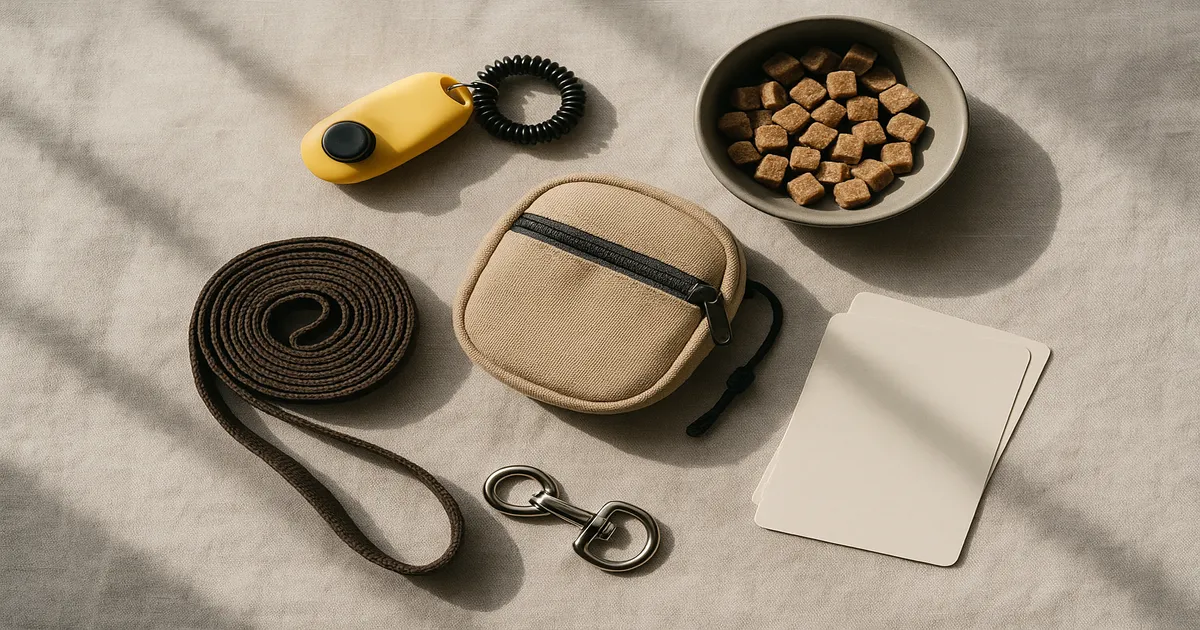
Quick Answer: Dogs don’t distinguish between who is and isn’t “supposed” to reward them — a treat is a treat, attention is attention, and even one person breaking the rules can sustain an unwanted behavior indefinitely through intermittent reinforcement. If you want to stop other people from rewarding unwanted behavior, you need to manage the humans in your dog’s life just as deliberately as you manage the dog itself. The solution works across three arenas: household members, regular visitors, and strangers in public.
Training your dog is the easy part. The hard part is convincing everyone else to follow the same rules. If you’ve ever wondered how to stop other people from rewarding unwanted behavior, you already know the frustration: you’ve spent weeks teaching your dog not to jump, and then your brother-in-law walks through the door and says “It’s fine, I love dogs!” while your dog plants both paws on his chest. One interaction. Weeks of progress, wobbled.
This isn’t just anecdotal — it’s behavioral science. Here’s exactly why it happens and, more importantly, what to do about it.
Why Other People Keep Undermining Your Dog’s Training
The Science Behind Third-Party Reinforcement
B.F. Skinner’s foundational work on operant conditioning established a principle that still holds: any behavior followed by a rewarding consequence is more likely to be repeated. The dog doesn’t ask whether the reward came from the “right” person. A scratch behind the ears from a stranger counts just as much as one from you.
Well-meaning grandparents, excitable children, and strangers at the park aren’t trying to sabotage your training. They’re just responding naturally to a cute dog doing something that triggers their instinct to engage.
Why Intermittent Reinforcement Makes Things Worse
Here’s the counterintuitive part: a behavior that gets rewarded sometimes is actually harder to extinguish than one that gets rewarded every time. This is intermittent reinforcement, and it’s the most extinction-resistant reinforcement schedule known in behavioral science — the same psychological mechanism behind slot machines.
When your dog jumps and gets ignored by you, but occasionally gets a delighted reaction from a visitor, that unpredictable reward keeps the behavior alive. Even thriving.
The Most Commonly Reinforced Unwanted Behaviors
These behaviors are most frequently kept alive by third-party reinforcement:
- Jumping up — guests instinctively reach down, delivering the exact social reward the dog wanted
- Begging at the table — one family member feeding scraps can maintain this indefinitely
- Demand barking — even “Shush!” counts as attention for many dogs
- Leash pulling — strangers who let a lunging dog reach them reward the lunge
- Counter-surfing — one successful food theft is a self-delivered jackpot
- Mouthing in puppies — children who laugh or squeal often read as play partners
Some breeds — Border Collies, Poodles, German Shepherds — take this further. They learn to perform the unwanted behavior selectively in front of the “soft touch.” It’s not manipulation; it’s sophisticated pattern recognition. Your dog has simply figured out that Grandma = treats available, you = not so much.
How to Stop Other People from Rewarding Unwanted Behavior at Home
Why One Person Can Undo Everyone Else’s Work
Behavioral research points to an 80–90% consistency threshold: below that, intermittent reinforcement takes over and the behavior is maintained or strengthened. One person in a household of four who regularly gives in isn’t a minor problem — they’re functionally keeping the behavior on a reinforcement schedule.
Audit Your Household for Unintended Reinforcement
Spend one week keeping a simple log: when does the unwanted behavior occur, who is present, and what happens immediately afterward? You’re looking for patterns. Who feeds scraps? Who lets the dog on the couch when you’re not home? Identify every source of unintended reinforcement without assigning blame.
Practical Tools That Keep Everyone Consistent
- Post a laminated rule card on the fridge listing current training goals and what not to do (e.g., “No eye contact, no touch, no talk until four paws are on the floor”)
- Assign a training lead — one person who manages the dog during high-risk situations like mealtimes and guest arrivals
- Schedule brief weekly check-ins during active training phases — not lectures, just a two-minute “how’s it going?”
The “our trainer said” technique is genuinely useful when philosophical disagreements come up. Citing a professional removes the personal dynamic. You’re not criticizing your partner’s behavior; you’re both following expert advice. It’s a small reframe that makes a real difference.
The NILIF Protocol: Making Everyone Part of the Solution
Nothing in Life Is Free (NILIF) is simple and powerful: every person in the household asks for a known behavior — sit, down, eye contact — before delivering any resource: food, affection, access, play. When Grandma has to ask for a sit before giving a treat, she’s now part of the training program rather than working against it.
Briefing Guests and Regular Visitors Before They Reinforce Bad Habits
Brief Before They Enter, Not After
The moment your dog is already jumping on a guest, you’ve lost the battle. Brief visitors before they cross the threshold — at the door, via text beforehand, or with a sign they’ll see before they ring the bell.
Keep the ask simple and specific:
“We’re working on Bella’s jumping. Could you please ignore her completely — no eye contact, no talking, no touching — until all four paws are on the floor? Then she’s all yours.”
Most people genuinely want to help once they understand what’s needed. The key is making the instruction concrete, not abstract.
Use Management Tools to Reduce Reliance on Guest Compliance
Don’t rely entirely on guests following verbal instructions. A leash or tether near the front door means the dog physically cannot reach a guest to be rewarded for jumping. A trained “go to place” behavior sends the dog to a mat before the door even opens, removing the greeting ritual where jumping is most often reinforced. A durable, washable mat makes this easy to set up near any entry point. (Midwest Homes)
A simple sign on your front door — “We’re training! Please ask us how to greet Bella before coming in” — primes visitors before any conversation happens and signals that you take this seriously.
Watch Out for the Special Occasion Exception Trap
Rules suspended at holidays or family gatherings because “it’s just this once” are still intermittent reinforcement — just with better branding. If you want to give your dog something special, do it with an approved treat in a specific context (a birthday Kong in their crate, for example) that doesn’t reinforce the unwanted behavior itself.
Handling Strangers in Public Who Reward Your Dog’s Behavior
Accept What You Can’t Control — Then Manage Around It
You have zero authority over strangers. Accept that upfront — it changes your strategy from control to management.
- Increase distance from high-traffic areas where strangers approach
- Use a “Do Not Pet” vest or bandana — most people will read and respect it
- Position your dog behind your body when someone approaches, making yourself the barrier
When someone does approach, a friendly ask works well: “Could you wait until he sits? We’re training — it really helps.” Give them a clear action, a clear reason, and a positive framing. You’re inviting them to participate, not scolding them.
Build a Default Behavior That Works in Public
A rock-solid default sit is your best public management tool. When your dog automatically offers a sit in the presence of strangers, you’ve given those strangers an easy, obvious moment to reward — and it’s a behavior you actually want. It makes compliance almost effortless for the people around you.
Environmental Management: Design Your Home for Consistency
Management must precede training. If the environment allows the unwanted behavior to be reinforced — even occasionally — training alone won’t solve it.
- Baby gates and exercise pens keep the dog out of high-risk areas during mealtimes and arrivals (Carlson Extra Wide Walk-Through Pet Gate)
- Crate conditioning prevents access to reinforcing situations when supervision isn’t possible
- Leash tethering during guest arrivals lets you physically prevent the dog from reaching people before they know the rules
Counter-surfing cannot be reinforced if there’s nothing on the counter. Secure trash cans, clear surfaces during unsupervised periods, and post a “Do Not Feed” list for guests — including common toxic foods like grapes, xylitol, chocolate, and onions.
Special Situations: Children, Seniors, and Extended Family
Children are the most common unintentional reinforcers in any household. They respond emotionally, move unpredictably, and often find the dog’s “bad” behavior genuinely funny. Children as young as 4–5 can learn to “be a tree” — stand still, cross arms, look away — when a dog jumps. Older children (8+) can actively participate in training sessions. Make it a game, not a lecture.
Seniors present a different challenge. The bond between an elderly person and a dog is real and profound. Rather than removing them from the equation, give them an approved role: they can be the one who delivers the treat after the dog sits, rather than the one who gives in to begging. Focus on verbal distance cues rather than physical management tools that may be difficult to use.
Extended family and multi-adult households are the hardest configuration. Designate one training lead who briefs everyone else. Use professional authority liberally — “our trainer said” carries more weight than personal preference in these dynamics.
Realistic Timelines and When to Call a Professional
Most attention-seeking behaviors — jumping, begging, demand barking — show measurable improvement within 2–6 weeks of consistent management across all people. Deeply ingrained behaviors with years of reinforcement history may require 3–6 months of consistent management and professional support.
One critical warning: when you withdraw reinforcement, expect the behavior to get worse before it gets better. This is an extinction burst — the dog tries harder because the old strategy suddenly stopped working. This is exactly when bystanders cave. If someone gives in during an extinction burst, they’ve just taught the dog that trying harder works, making the behavior significantly more resistant to future extinction. Warn everyone in advance that this will happen.
Seek professional help when:
- The behavior is escalating after 4–6 weeks of consistent management
- The behavior involves aggression, fear, or anxiety
- Household members cannot reach consensus on training rules
Look for a Certified Professional Dog Trainer (CPDT-KA) for most training issues, or a Certified Applied Animal Behaviorist (CAAB) for complex behavior problems.
Frequently Asked Questions
How do you stop other people from rewarding unwanted behavior when you can’t supervise them?
Management tools do the work when you can’t. Baby gates, tethers, and crates physically prevent the unwanted behavior from being reinforced. A laminated rule card on the fridge and a sign on the front door handle briefing automatically. The goal is to reduce reliance on other people’s willpower by designing the environment so the behavior simply can’t be rewarded.
Can one person in the household really ruin all my training progress?
Yes — and the science explains why. A single person who inconsistently rewards an unwanted behavior creates an intermittent reinforcement schedule, which is the most extinction-resistant schedule in behavioral science. Research suggests you need at least 80–90% consistency across everyone in the dog’s environment for reliable behavior change.
Why does my dog only misbehave around certain people?
Your dog has learned through pattern recognition that certain people are more likely to deliver a reward for a particular behavior. It’s not selective naughtiness. The fix is ensuring those specific people stop delivering the reward — either through briefing or through management tools that physically prevent the interaction.
What is an extinction burst and why does it matter?
An extinction burst is a temporary increase in an unwanted behavior when reinforcement is first withdrawn. The dog tries harder because the old strategy suddenly stopped working. It’s normal and predictable, but it’s also the moment most people give in — which makes the behavior significantly harder to extinguish afterward. Warn everyone in your household that this will happen before you start.
How do I get family members to follow dog training rules without causing conflict?
Start with a household audit to identify who is reinforcing what, without blame. Use a visible rule card so the rules are ambient rather than nagged. Designate one training lead for high-risk situations. When disagreements arise, anchor the conversation in observable outcomes rather than training theory — “he knocked my three-year-old down” lands differently than “the trainer says you shouldn’t let him jump.” And use your trainer as a neutral authority whenever possible.