Quick Answer: Most queens should not be bred before 18–24 months of age, even if they experience their first heat as early as 4 months. Responsible breeding depends on four pillars: physical and skeletal maturity, complete health testing, correct estrus timing, and optimal body condition. Waiting for the first heat cycle is not enough — readiness is about far more than fertility.
Deciding when should I breed my cat is one of the most important questions any responsible breeder will face. The answer isn’t simply “when she goes into heat.” It involves understanding your queen’s reproductive cycle, waiting for true physical maturity, completing essential health screenings, and choosing the right moment within the cycle itself. Get it right, and you’re setting up your queen — and her kittens — for the best possible start.
When Should You Breed Your Cat? The Minimum Age Rules
For most breeds, 18–24 months is the earliest a queen should be bred. Large breeds like Maine Coons and Ragdolls need the full 24 months. Puberty arrives much sooner — sometimes as early as 4 months — but that’s not the same as being ready to carry and raise a litter safely.
Before any pairing is arranged, your queen should clear four checkpoints:
- Age and skeletal maturity — bones and body fully developed
- Health testing — all genetic and infectious disease screens completed
- Estrus timing — mating planned for the optimal window in her cycle
- Body condition — a Body Condition Score (BCS) of 4–5 on a 9-point scale
Miss any one of these, and you’re taking on unnecessary risk for both the queen and her kittens.
Understanding Your Cat’s Reproductive Cycle
What It Means That Cats Are Seasonally Polyestrous
Unlike dogs, cats don’t have just one or two cycles per year. They’re seasonally polyestrous, meaning they cycle repeatedly throughout the breeding season. In the Northern Hemisphere, that season typically runs from January through October, driven by increasing daylight hours. Outdoor cats tend to go quiet in November and December — a resting phase called anestrus.
Indoor cats are a different story. Constant artificial lighting disrupts the natural photoperiod signal, causing many indoor queens to cycle year-round. This matters for breeders who need to plan pairings and manage reproductive health proactively. If your queen cycles every few weeks without a seasonal break, artificial lighting is almost certainly the reason. Breeders who want to manage cycle timing can use controlled lighting schedules, but only under veterinary guidance — year-round cycling without rest is physically taxing.
The Five Phases of the Feline Estrus Cycle
| Phase | Duration | Key Characteristics |
|---|---|---|
| Proestrus | 1–2 days | Mild behavioral changes; males attracted but queen not yet receptive |
| Estrus (Heat) | 4–10 days | Full receptivity; vocalization, lordosis posture |
| Interestrus | 8–15 days | Quiet period if mating didn’t occur |
| Diestrus | 30–40 days | Follows ovulation; pseudopregnancy possible |
| Anestrus | November–January | Seasonal reproductive rest (natural-light cats) |
Behavioral Signs Your Queen Is in Heat
Heat behavior can catch new owners completely off guard. The signs are unmistakable once you know what to look for:
- Loud, persistent vocalization — often described as caterwauling, sometimes mistaken for pain
- Lordosis posture — front end lowered, hindquarters raised, back feet treading
- Increased affection — rubbing against people, furniture, and objects constantly
- Rolling and writhing on the floor
- Restlessness and escape attempts — a queen in heat is highly motivated to find a mate
- Reduced appetite during peak estrus
Minimum Breeding Age by Breed Size
A queen bred at her first heat is still growing. Her skeleton isn’t fully developed, her pelvis may be too narrow for safe delivery, and her maternal instincts haven’t fully formed. Early-bred queens have measurably higher rates of pregnancy complications, difficult labor, and poor maternal behavior. The few months of waiting are genuinely worth it.
| Breed Category | Minimum Breeding Age | Notes |
|---|---|---|
| Small breeds (Singapura, Devon Rex) | 12–18 months | Reach maturity faster than larger breeds |
| Medium breeds (Abyssinian, domestic shorthair) | 18 months | Standard recommendation |
| Large breeds (Maine Coon, Ragdoll, Siberian) | 24 months | Skeletal maturity takes longer |
| Brachycephalic breeds (Persian, Exotic Shorthair) | 18–24 months + vet clearance | Higher risk of birthing complications |
Maine Coons, Ragdolls, and Norwegian Forest Cats are slow-maturing breeds — 24 months is the firm minimum, not a suggestion. Persian and Exotic Shorthair queens face additional challenges: their flat facial structure is paired with a body type that makes whelping more difficult, so veterinary clearance is required before breeding, regardless of age.
Optimal Timing Within the Heat Cycle
The Best Days to Mate Your Queen
The optimal mating window is days 2–4 of estrus. By this point the queen is fully receptive, and the conditions for ovulation are ideal. Conception rates drop significantly after day 5, so don’t wait.
Cats are induced ovulators, which sets them apart from most mammals. Ovulation isn’t spontaneous — it’s triggered by the physical act of mating. The tom’s barbed penis stimulates the vaginal wall, sending a hormonal signal that causes the queen to release eggs. No mating, no ovulation. This is why a queen can cycle repeatedly without ever conceiving if she’s kept away from males.
Confirming Readiness With Progesterone Testing and Vaginal Cytology
Two tools help breeders confirm exactly where a queen is in her cycle:
- Progesterone testing: A baseline level below 1 ng/mL confirms pre-ovulation. After successful mating and ovulation, levels rise above 5 ng/mL within 24–48 hours, confirming ovulation occurred.
- Vaginal cytology: A swab examined under a microscope; a high proportion of cornified epithelial cells indicates peak estrus.
These tests are especially useful when a pairing requires travel or advance stud booking. Plan for 3–4 matings over 24–48 hours — multiple matings increase the hormonal stimulus needed for reliable ovulation and improve the chances of a full, healthy litter.
Essential Health Testing Before You Breed Your Cat
Infectious Disease Screening
Health testing is non-negotiable and must be completed before any breeding takes place. The core panel includes:
- Feline Leukemia Virus (FeLV): Transmitted to kittens in utero and through milk. Every breeding cat must test negative.
- Feline Immunodeficiency Virus (FIV): Primarily a risk for stud cats through bite wounds; infected cats must be removed from breeding programs.
- Feline Herpesvirus (FHV-1) and Calicivirus (FCV): Vaccination must be current at least 4 weeks before breeding.
- Chlamydophila felis: A bacterial pathogen causing conjunctivitis that can affect kittens at birth.
Genetic and Hereditary Disease Tests by Breed
| Condition | Affected Breeds | Test Available |
|---|---|---|
| Hypertrophic Cardiomyopathy (HCM) | Maine Coon, Ragdoll, British Shorthair, Sphynx | Echocardiogram + DNA (MyBPC3) |
| Polycystic Kidney Disease (PKD) | Persian, Exotic Shorthair, British Shorthair | DNA test (PKD1 mutation) |
| Progressive Retinal Atrophy (PRA) | Abyssinian, Somali, Bengal, Siamese | DNA test |
| Spinal Muscular Atrophy (SMA) | Maine Coon | DNA test |
| Pyruvate Kinase Deficiency (PK-Def) | Abyssinian, Somali, Bengal | DNA test |
| Gangliosidosis (GM1/GM2) | Siamese, Korat, Burmese | DNA test |
Research which conditions affect your specific breed and test for all of them — not just the most well-known ones.
Blood Type Compatibility and Neonatal Isoerythrolysis
Cats have three blood types: A, B, and AB. When a Type B queen is bred to a Type A tom, the resulting kittens can develop Neonatal Isoerythrolysis (NI) — a life-threatening condition where antibodies in the queen’s colostrum destroy the kittens’ red blood cells, sometimes fatally within days of birth.
Breeds with a high prevalence of Type B include British Shorthairs (~40–60%) and Devon Rex (~40%). All breeding cats should be blood typed before any pairing is finalized. It’s a simple, inexpensive test that can save lives.
Vaccination Protocols Before Breeding
- FVRCP (core vaccine) must be current before breeding to ensure kittens receive maternal antibodies through colostrum.
- Modified live vaccines (MLV) are contraindicated during pregnancy — they can cause fetal abnormalities.
- Administer all boosters at least 4 weeks before planned breeding.
- For rabies, use a killed/inactivated vaccine for breeding queens and follow local legal requirements.
Physical Condition and Pre-Breeding Care
Ideal Body Condition Score
Target a BCS of 4–5 on a 9-point scale before breeding. Both extremes carry serious risk. Overweight queens (BCS 7–9) are significantly more likely to experience dystocia, require a cesarean section, and produce less milk. Underweight queens (BCS 1–3) risk fetal resorption, low birth weight kittens, and poor milk supply. Getting body condition right before conception is far easier than correcting it during pregnancy.
A high-quality complete diet supports both weight management and reproductive health. (Royal Canin Mother & Babycat) Switching to a kitten or all-life-stages formula in the final weeks of pregnancy and throughout nursing is widely recommended by veterinarians.
Exercise and Enrichment for Queens and Studs
- Queens: Minimum 20–30 minutes of active play daily to maintain muscle tone and cardiovascular health.
- Studs: Minimum 30–45 minutes of vigorous activity; intact males have higher energy and need significant enrichment to prevent frustration behaviors.
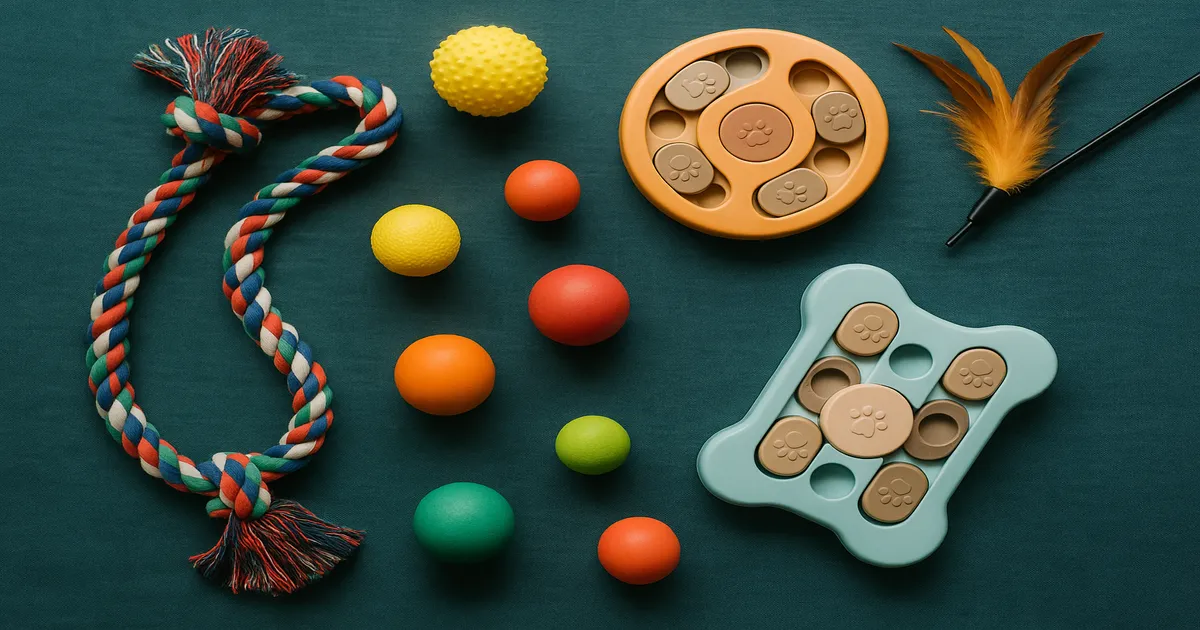
Interactive wand toys are ideal for both. (Da Bird Feather Teaser) Puzzle feeders and tall climbing structures (at least 5–6 feet / 1.5–1.8 m) round out a good enrichment setup. (Armarkat Classic Cat Tree Model A6801)
Managing Activity During Pregnancy
Feline gestation averages 63–65 days. Adjust activity across that window:
- Weeks 1–4: Normal activity; continue regular play sessions.
- Weeks 5–7: Reduce high-impact jumping; provide lower access points to furniture and litter boxes.
- Weeks 8–9: Limit strenuous activity — the queen will naturally slow down on her own.
Never restrict movement entirely. Gentle activity supports circulation and keeps muscles ready for labor.
Parasite Control and Grooming Before Breeding
Before breeding, every queen should be:
- Free of fleas, ticks, ear mites, and intestinal parasites — these pass directly to neonates and can be fatal in young kittens.
- Dentally healthy — periodontal disease is linked to systemic infections that can complicate pregnancy.
- Current on nail trims (every 2–3 weeks) to prevent injury during mating and nursing.
Avoid chemical flea treatments during pregnancy — many topical and oral products are contraindicated. Ask your vet for pregnancy-safe parasite control options well before breeding begins.
How Often Should You Breed Your Cat? Ethical Frequency Guidelines
The ethical ceiling is 2–3 litters per year, and many responsible breeders choose to limit queens to just 1–2. Breeding on consecutive heats without rest depletes the queen physically, reduces kitten quality, and shortens her healthy lifespan. The CFA recommends allowing at least one full estrus cycle between pregnancies as a minimum recovery period.
TICA and most breed councils recommend no more than 4–5 litters in a queen’s lifetime — not as a hard biological ceiling, but as a welfare standard that reflects the cumulative toll of pregnancy, labor, and nursing.
Plan to retire your queen by age 6–7, with spaying completed by age 7–8 at the latest. Age-related reproductive complications increase after this point, and early spaying dramatically reduces the risk of pyometra and mammary tumors. Retirement isn’t a failure — it’s the final act of responsible stewardship.
Breed-Specific Considerations
Natural breeds — Maine Coon, Siberian, Norwegian Forest Cat — developed with minimal human intervention and tend to be genetically robust. Designer breeds like Scottish Fold and Munchkin require heightened ethical scrutiny; the mutations that create their distinctive looks can also cause significant health problems, and responsible breeders research these thoroughly before proceeding.
Flat-faced breeds (Persian, Exotic Shorthair, Himalayan) present unique challenges at every stage: respiratory compromise, narrower birth canals, and higher rates of cesarean delivery. Breeding these cats without specialized veterinary oversight is irresponsible.
Bengal and Savannah cats carry wild cat ancestry, and their breeding is subject to varying regulations by state and country. Some jurisdictions restrict ownership of certain hybrid generations entirely. Verify the legal status in your location before breeding or acquiring a hybrid.
Finally, don’t overlook temperament. It’s heritable and directly affects kitten welfare. Cats that are aggressive, fearful, or chronically anxious should not be bred. A calm, confident queen also produces better-adjusted kittens — maternal stress during gestation measurably affects kitten neurological development.
Frequently Asked Questions
When should I breed my cat for the first time?
Most queens should not be bred before 18 months, and large breeds like Maine Coons and Ragdolls should wait until 24 months. While puberty can arrive as early as 4 months, skeletal maturity, psychological readiness, and the time needed to complete health testing all require waiting longer.
How do I know when my cat is in heat and ready to mate?
A queen in heat will show clear behavioral signs: loud vocalization, the lordosis posture (front end lowered, hindquarters raised), increased affection, restlessness, and rolling on the floor. The optimal mating window is days 2–4 of estrus. Progesterone testing and vaginal cytology can confirm exactly where she is in her cycle if you need precision.
How many litters can a cat safely have in a year?
The ethical maximum is 2–3 litters per year, though many responsible breeders limit to 1–2. The CFA recommends at least one full estrus cycle between pregnancies. Breeding on consecutive heats depletes the queen and reduces kitten health over time.
What health tests does a cat need before breeding?
At minimum: negative results for FeLV and FIV, current vaccinations completed at least 4 weeks before breeding, blood typing to rule out Neonatal Isoerythrolysis risk, and any breed-specific genetic tests relevant to their lineage — such as HCM screening for Maine Coons or PKD testing for Persians. These are non-negotiable.
At what age should a queen be retired from breeding?
Most queens should retire by age 6–7, with spaying completed by age 7–8. Age-related reproductive complications increase after this point, and early spaying significantly reduces lifetime cancer risk.