Quick Answer: Most adult Sphynx cats need a bath every 1–2 weeks — far more often than any furred breed. Without regular bathing, sebum (natural skin oil) builds up on their bare skin, leading to odor, infections, and discomfort. Start bathing kittens as young as 8–12 weeks so they grow up accepting it as a normal part of life.
If you’ve just brought home a Sphynx and you’re wondering how often do you wash Sphynx cats, the answer surprises most new owners: these striking, wrinkled cats need bathing more than almost any other breed. It isn’t optional, and it isn’t occasional — it’s a genuine part of keeping them healthy.
How Often Should You Wash a Sphynx Cat?
Most Sphynx cats do best with a bath every one to two weeks. Some oilier individuals need weekly baths; show cats often get one before every event. Here’s a quick reference by life stage:
| Life Stage / Situation | Recommended Bath Frequency |
|---|---|
| Adult Sphynx (typical) | Every 1–2 weeks |
| Kitten (under 6 months) | Every 2–3 weeks to acclimate |
| Senior cat (7+ years) | Every 2 weeks or as needed |
| Heavily oily individual | Weekly |
| Show cat | Before every show (typically weekly) |
| Post-illness or high stress | As needed — skin can become oilier |
Why Sphynx Cats Need More Frequent Bathing Than Other Breeds
In a furred cat, sebaceous oils travel up the hair shaft, spread across the coat, and eventually flake off. The Sphynx has no coat to do that work. Oils pool directly on the skin, collect in folds, and build up around the nail beds and ears. Regular bathing is the only way to manage what a fur coat would otherwise handle automatically.
Understanding Sphynx Skin: Why Bathing Is Non-Negotiable
The Sphynx Is Not Truly Hairless
Despite appearances, Sphynx cats aren’t completely bare. They have a fine layer of peach-fuzz vellus hair — typically under 2 mm — most visible on the ears, muzzle, tail, and feet. The skin feels like warm chamois leather and runs noticeably warmer than a furred cat because there’s no insulating coat to trap body heat.
The deep wrinkles around the face, shoulders, and belly are a defining breed feature, but they’re also grooming hotspots where oil, moisture, and debris collect.
What Happens When Sebum Has Nowhere to Go
Sphynx cats produce roughly the same amount of sebum as other cats. What differs is where it ends up. With no hair to absorb it, oil sits on the skin surface and accumulates in every fold and crevice — a residue owners often call “Sphynx gunk.” Left unchecked, this brownish, greasy buildup creates real problems:
- Bacterial and fungal skin infections thrive in oily, warm skin folds
- Clogged pores and comedones (blackhead-like bumps) develop across the body
- Persistent odor that transfers to furniture and bedding
- Skin irritation and discomfort for the cat
Over-bathing carries its own risks, though. Washing more than twice a week strips beneficial oils from the skin, which can trigger compensatory overproduction — leaving you worse off than before.
Bathing Frequency by Life Stage
Kittens (Under 6 Months): Building Good Habits Early
Start baths between 8 and 12 weeks old. At this stage, the goal isn’t deep cleaning — it’s acclimation. A kitten introduced to warm water, gentle handling, and calm voices early on will be a cooperative adult. Every 2–3 weeks is plenty while they’re young.
Adult Sphynx Cats: The Standard 1–2 Week Schedule
Every one to two weeks covers the majority of adult cats well. Pay attention to your individual cat — if you notice visible oil buildup or a musty smell before the two-week mark, move to weekly baths. This is the core recommendation from veterinary dermatologists and experienced breeders alike.
Senior Sphynx Cats (7+ Years): Adjusting the Routine
Older cats may have drier skin or lower activity levels that slow oil buildup slightly. Every two weeks is a reasonable baseline, but monitor their skin closely and adjust as needed. Post-illness or high-stress periods can temporarily increase oiliness at any age.
Show Cats and High-Oil Individuals
Show cats typically get a bath before every event, which often means weekly. Some Sphynx cats simply produce more sebum than others — genetics, diet, and stress all play a role. If your cat genuinely needs it, twice weekly is workable, but bathing more frequently than that is generally counterproductive.
Step-by-Step Guide to Washing Your Sphynx Cat
What You Need Before You Start
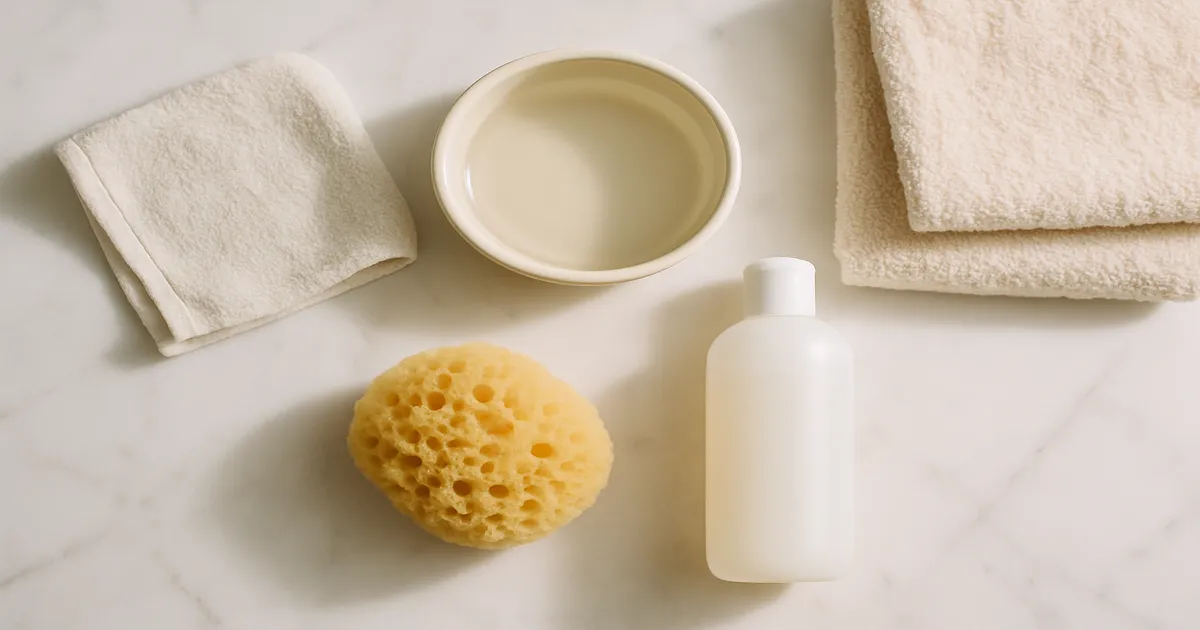
Gather everything before the cat touches water. Scrambling for a towel mid-bath turns a calm experience into a chaotic one.
- Cat-specific shampoo
- Two or three soft towels (pre-warm one in the dryer)
- Rubber non-slip mat for the sink or tub
- Handheld sprayer or a cup for rinsing
- Hair dryer (cool or low-warm setting)
Water Temperature and Sink Setup
Aim for 100–102°F (38–39°C) — close to your cat’s body temperature. Too cold causes shivering and stress; too hot risks burning sensitive skin. A kitchen sink with a spray attachment works well for most cats. Place the non-slip mat down first — slipping on a wet surface is one of the fastest ways to create a bath-phobic cat.
How to Shampoo a Sphynx Cat Safely
- Wet the cat thoroughly from neck to tail — avoid getting water directly in the ears
- Apply a small amount of diluted shampoo and work into a gentle lather
- Pay extra attention to skin folds, armpits, groin, under the chin, and between the toes
- Keep your movements calm and deliberate; speak quietly throughout
Rinsing, Drying, and Keeping Your Cat Warm
Rinse more thoroughly than you think necessary. Shampoo residue trapped in skin folds is one of the most common causes of contact dermatitis in Sphynx cats — if you think you’ve rinsed enough, go once more.
Immediately wrap your cat in a pre-warmed towel and pat dry. Keep the room above 75°F (24°C) until they’re fully dry — Sphynx cats chill quickly without fur. A hair dryer on the cool or low-warm setting at a safe distance speeds things up, but never hold it close to bare skin.
Between baths, cat-safe grooming wipes are useful for spot-cleaning particularly oily areas. Pogi’s Grooming Wipes are a popular choice among Sphynx owners for quick touch-ups.
Choosing the Right Shampoo for Sphynx Cats
Why Human Shampoo and Dish Soap Are Harmful
Feline skin has a pH of 6.0–6.5. Human shampoos — including baby shampoo and dish soap — are formulated for a more acidic human pH of 4.5–5.5. Using them on a cat disrupts the skin’s protective acid mantle, stripping natural defenses and leaving the skin vulnerable to irritation and infection.
Vet-Recommended Shampoos for Sphynx Cats
- Earthbath Hypo-Allergenic Cat Shampoo — fragrance-free and gentle, a solid everyday choice
- Burt’s Bees Hypoallergenic Cat Shampoo — oatmeal-based formula, soothing for sensitive skin
- Douxo S3 Calm Shampoo — frequently recommended by veterinary dermatologists for reactive or sensitive skin
- Veterinary Formula Clinical Care Antiseborrheic Shampoo — designed for cats with excessive oil production; use under veterinary guidance
Ingredients to Avoid
- Artificial fragrances and dyes
- Parabens and sulfates
- Tea tree oil — toxic to cats even in small amounts
If your Sphynx has persistent skin issues that don’t respond to a gentle shampoo, see your vet before trying a medicated formula on your own.
The Full Sphynx Grooming Routine
Ear Cleaning: Every 1–2 Weeks
Sphynx cats lack the ear hair that slows wax accumulation in most breeds, so they produce noticeably more cerumen. Clean their ears every 1–2 weeks, ideally at bath time.
- Apply a few drops of vet-approved ear cleaning solution into the canal (Virbac Epi-Otic Ear Cleanser)
- Gently massage the base of the ear for 20–30 seconds
- Let your cat shake their head, then wipe away loosened debris with a cotton ball
- Never insert cotton swabs into the ear canal — the risk of impaction and eardrum damage is real
Black discharge, strong odor, or signs of pain warrant a vet visit, as these can indicate ear mites or a yeast or bacterial infection.
Nail Beds: Weekly Attention
Sphynx cats accumulate a dark, waxy buildup of sebum and dead skin around their nail beds. Use a damp cotton ball or cat-safe wipe to clear it out weekly. Trim the nails themselves every 2–3 weeks with cat-specific clippers — cut only the clear tip and avoid the pink quick. Keep styptic powder nearby in case you nick it.
Skin Folds: Clean and Dry at Every Bath
The deep wrinkles on the face, neck, and belly can trap moisture and debris, creating ideal conditions for skin fold dermatitis (intertrigo). Gently wipe each fold with a soft damp cloth or cat-safe wipe, then dry thoroughly — moisture left in folds is as problematic as the oil itself. If you notice redness, odor, or discharge between baths, see your vet. Topical antifungal or antibiotic treatment may be needed.
Eyes and Teeth
Some Sphynx cats lack the eyelashes that normally keep debris away from the eye, so a small amount of ocular discharge is normal. Wipe it away gently with a damp cotton ball as part of your daily routine.
For dental care, aim for at least three brushing sessions per week using an enzymatic cat toothpaste — never human toothpaste, which contains xylitol. Daily brushing is ideal, and plan for professional cleanings every one to two years as your vet recommends.
Grooming Success Starts With Temperament
Sphynx cats are among the most social and trainable cats in existence. They follow their owners from room to room, greet strangers at the door, and actively seek physical contact throughout the day. That people-oriented personality works in your favor at bath time.
Keep sessions consistent — same day, same sink, same calm energy. Use high-value treats before, during, and after. Never restrain forcefully; if your cat is panicking, stop and try again another day. Pushing through a bad experience creates a lasting negative association that’s hard to undo.
Their natural curiosity helps, too. Many Sphynx cats will investigate the running water, play with the spray, and turn bath time into a game if you let them. An adult Sphynx that was bathed from 8–12 weeks old typically accepts — and sometimes enjoys — the routine. Early, consistent, positive experiences are the single most effective investment you can make in long-term grooming compliance.
Skin Health and When to Call the Vet
Common Skin Conditions in Sphynx Cats
Most skin issues in this breed are directly linked to grooming gaps:
- Skin fold dermatitis (intertrigo) — bacterial or fungal infection in the wrinkles
- Comedones — blackhead-like clogged pores from sebum buildup
- Ear mite infestations (Otodectes cynotis) — more common in cats whose ears aren’t cleaned regularly
- Generalized bacterial or yeast skin infections — often a consequence of infrequent bathing
When to See a Veterinarian
Don’t wait to see if a skin issue resolves on its own. Contact your vet if you notice:
- Persistent redness or swelling in any skin fold
- Strong, unusual odor from folds or ears
- Black or dark discharge from the ears
- Lesions, scabs, or open sores on the skin
- Excessive scratching or visible discomfort
A Note on Heart Health
Sphynx cats are predisposed to hypertrophic cardiomyopathy (HCM), a serious heart condition. Obesity significantly worsens cardiac risk, making regular exercise and a measured diet essential parts of their overall care. Chronic stress can also increase sebum production, so a cat that’s anxious or under-stimulated may have oilier skin than one that’s well-exercised and socially engaged — a good reminder that physical and emotional health are closely linked in this breed.
Frequently Asked Questions
How often do you wash Sphynx cats?
Most adult Sphynx cats need a bath every one to two weeks. Individuals with higher sebum production may need weekly bathing, while show cats are typically bathed before every event. Bathing more than twice a week is generally counterproductive — it strips beneficial oils and can trigger the skin to produce even more.
What happens if you don’t bathe a Sphynx cat?
Sebum accumulates on the skin surface, collecting in folds, around the nail beds, and in the ears. This leads to bacterial and fungal infections, clogged pores, persistent odor, and significant discomfort. Furniture and bedding will also pick up the oily residue over time.
What shampoo is safe for Sphynx cats?
Use only cat-specific shampoos formulated for feline skin pH (6.0–6.5). Good options include Earthbath Hypo-Allergenic, Burt’s Bees Hypoallergenic, and Douxo S3 Calm. Avoid anything with artificial fragrances, sulfates, parabens, or tea tree oil — the latter is toxic to cats even in small amounts.
Can you bathe a Sphynx cat too often?
Yes. Bathing more than twice a week strips the skin of its natural protective oils, which can cause dryness, irritation, and paradoxically trigger even more oil production. Stick to once or twice weekly based on your individual cat’s needs, and use grooming wipes for spot cleaning in between.
How do you clean a Sphynx cat’s ears and skin folds?
For ears, apply a few drops of vet-approved ear cleaning solution, massage the base gently, then wipe away debris with a cotton ball — never use cotton swabs inside the canal. For skin folds, use a soft damp cloth or cat-safe wipe to clean each fold, then dry thoroughly. Both should be done every one to two weeks, ideally at bath time.