Quick Answer: The best places to buy an Abyssinian cat are CFA- or TICA-registered breeders, breed-specific rescues, and general cat shelters. Expect to pay $1,000–$2,500 for a kitten from a reputable breeder, or $75–$300 in adoption fees from a rescue. Where you buy matters enormously — health testing, socialization, and honest breeder practices directly affect your cat’s quality of life.
Where to Buy an Abyssinian Cat: Best Sources at a Glance
If you’re researching where to buy an Abyssinian cat, you have three solid routes:
- CFA/TICA-registered breeders — the gold standard for health-tested kittens with documented lineage
- Breed-specific Abyssinian rescues — a great option for adopting an adult cat that’s already vetted and vaccinated
- General cat shelters and Petfinder — purebred Abyssinians do turn up here, often as owner surrenders
Each route involves trade-offs in cost, wait time, and the cat’s age and history. What they all share is the need for your due diligence.
What You Should Expect to Pay
Kittens from reputable breeders typically run $1,000–$2,500, depending on pedigree, color, and whether the kitten is pet or show quality. Rescue adoption fees are far lower — usually $75–$300 — and that fee almost always covers spay/neuter, core vaccines, and a microchip. The upfront cost of a breeder kitten is higher, but it buys you documented health testing and a known health history.
Is the Abyssinian the Right Cat for You?
Personality and Energy Level
The Abyssinian is one of the most energetic, intelligent, and curious domestic cat breeds recognized by both the CFA and TICA. These cats are perpetually in motion — investigating, climbing, retrieving toys, and supervising everything you do. They’re deeply affectionate but not lap cats. An Aby wants to be near you, not draped across you.
Vocalization is moderate — a soft, chirping trill rather than demanding yowls — which makes them easier neighbors than a Siamese. But don’t mistake quiet for low-maintenance.
Time, Space, and Enrichment Needs
Plan on 30–60 minutes of active, interactive play every day. Wand toys, puzzle feeders, and fetch sessions aren’t optional extras — they’re necessities. A bored Abyssinian will redecorate your shelves, unroll your toilet paper, and find other creative outlets you won’t enjoy.
Vertical space matters just as much as floor space. A cat tree of at least 72 inches (183 cm) is a baseline, not a luxury. Abyssinians can adapt to apartment living if enrichment needs are fully met, but a home with multiple rooms and window views of outdoor activity is ideal.
Abyssinians with Other Pets and Children
Abyssinians generally do well with children who respect their energy and independence. They’re sociable with strangers and rarely skittish. Many breeders actively recommend adopting in pairs — two Abyssinians entertain each other during the hours you’re at work, which significantly reduces destructive behavior. They also tend to coexist well with dogs and other cats, particularly when introduced young.
How to Find a Reputable Abyssinian Cat Breeder
Using CFA and TICA Breeder Directories
Both the Cat Fanciers’ Association and The International Cat Association maintain online breeder referral directories. Search by breed and state to find registered Abyssinian breeders in your region. Registration means a breeder has agreed to each organization’s ethical breeding standards — that’s a meaningful baseline, not a guarantee, but a solid starting point.
Expect a waiting list. Reputable breeders don’t have kittens available on demand, and that’s actually reassuring. It means they’re breeding intentionally, not constantly.
Red Flags to Avoid
Walk away from any seller who:
- Cannot provide DNA test results for PK Deficiency and PRA-rdAc
- Always has multiple litters available with no wait
- Breeds several different cat breeds simultaneously
- Won’t let you visit or video-call to see where kittens are raised
- Pressures you to pay a deposit before answering your questions
- Sells through a pet store or ships kittens without a prior relationship
These are hallmarks of profit-driven operations where health and temperament take a back seat.
Questions to Ask Any Abyssinian Breeder
- What genetic health tests have the parents been screened for? Can I see the certificates?
- How are kittens socialized before they go home?
- At what age do you release kittens? (Twelve to sixteen weeks is best; eight weeks is the absolute minimum.)
- Do you have references from previous buyers?
- What happens if I can no longer care for the cat?
That last question is telling. Responsible breeders almost universally require that cats be returned to them rather than surrendered to a shelter.
Breeder Contracts and Health Guarantees
A written contract is non-negotiable with any reputable breeder. It should cover the health guarantee period (typically one to two years for genetic conditions), spay/neuter requirements for pet-quality kittens, and the return policy. Read it carefully before signing. A guarantee is only as good as a breeder’s willingness to honor it, so references from past buyers matter here too.
Adopting an Abyssinian Cat from a Rescue or Shelter
Breed-Specific Abyssinian Rescues
A handful of dedicated Abyssinian and Somali rescue organizations operate across the United States. These groups specialize in the breed and can match you with a cat whose personality and history they know well. Search for “Abyssinian rescue” plus your region, or ask a CFA/TICA-registered breeder — many maintain relationships with rescue networks and can point you in the right direction.
Finding Abyssinians Through General Shelters
Purebred Abyssinians appear in general shelters more often than most people expect, usually as owner surrenders from people who underestimated the breed’s energy level. Use the breed filter on Petfinder or Adopt-a-Pet to set up alerts so you’re notified when an Aby shows up in your area.
Rescue adoption fees typically run $75–$300 and usually include spay/neuter surgery, core vaccinations, a microchip, and a basic health check. Most rescues require a written application, personal references, and sometimes a home visit or video walkthrough. The process can take a few weeks, but it’s thorough for good reason.
Abyssinian Cat Health: What to Verify Before You Buy
Pyruvate Kinase Deficiency (PK Deficiency)
PK Deficiency is an autosomal recessive condition that causes hemolytic anemia — the premature destruction of red blood cells. Carrier rates of approximately 36–40% have been documented in Abyssinian populations, making this one of the most important tests to verify. Both parents should be DNA-tested and documented as either clear or carrier (carrier-to-carrier pairings can produce affected offspring). Ask for the actual test certificates, not just a verbal assurance.
Progressive Retinal Atrophy (PRA-rdAc)
PRA-rdAc causes gradual retinal degeneration leading to blindness. The specific rdAc mutation has been identified in Abyssinians and Somalis, and a DNA test is available. Like PK Deficiency, it’s autosomal recessive. Reputable breeders test all breeding cats and provide certificates to buyers. There is no treatment, so prevention through testing is everything.
Renal Amyloidosis and Kidney Health
Abyssinians have a breed-specific predisposition to renal amyloidosis, a condition in which abnormal protein deposits accumulate in the kidneys and eventually cause kidney failure. The exact genetic mechanism isn’t fully understood, but the breed link is well established. Ask your vet to begin annual kidney panels (BUN, creatinine, SDMA, urinalysis) starting at age 3–4, even in cats that appear healthy.
Vet Records to Request at Purchase
Before bringing your new cat home, ask for:
- DNA test certificates for both PK Deficiency and PRA-rdAc (parents, for kittens)
- Vaccination records (FVRCP series, rabies)
- Deworming and flea treatment history
- Results of any physical exams performed by the breeder’s vet
A healthy Abyssinian can live 12–15 years — sometimes longer. The paperwork you collect now forms the foundation of their long-term care.
Living with an Abyssinian: Exercise, Grooming, and Environment
Daily Exercise and Mental Stimulation
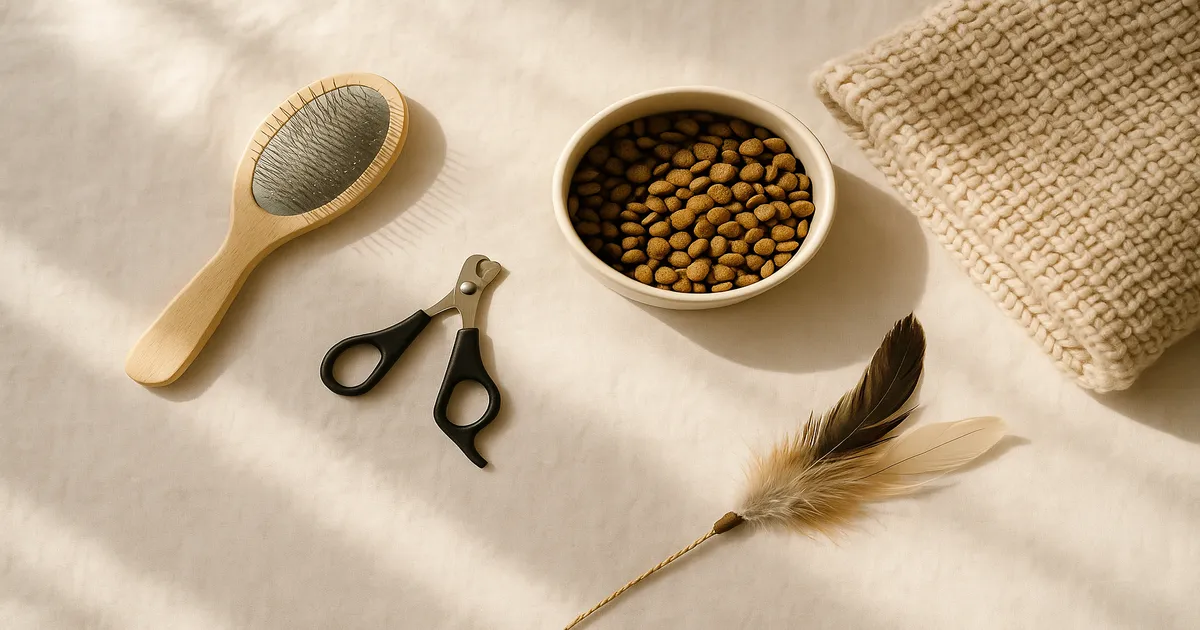
Thirty to sixty minutes of intentional interactive play per day is the minimum. Wand toys like a feather lure are ideal for simulating prey behavior — the Da Bird Feather Teaser is a longtime favorite among Aby owners. Many Abyssinians also learn to play fetch with crinkle balls or toy mice, which is genuinely useful for burning energy in small spaces.
Puzzle feeders at mealtimes add cognitive engagement to an otherwise routine activity. The Doc & Phoebe’s Indoor Hunting Feeder works especially well for high-drive cats. Short clicker training sessions — five to ten minutes, two or three times a day using positive reinforcement — are another excellent outlet for their intelligence.
Grooming: Low Maintenance, Not Zero
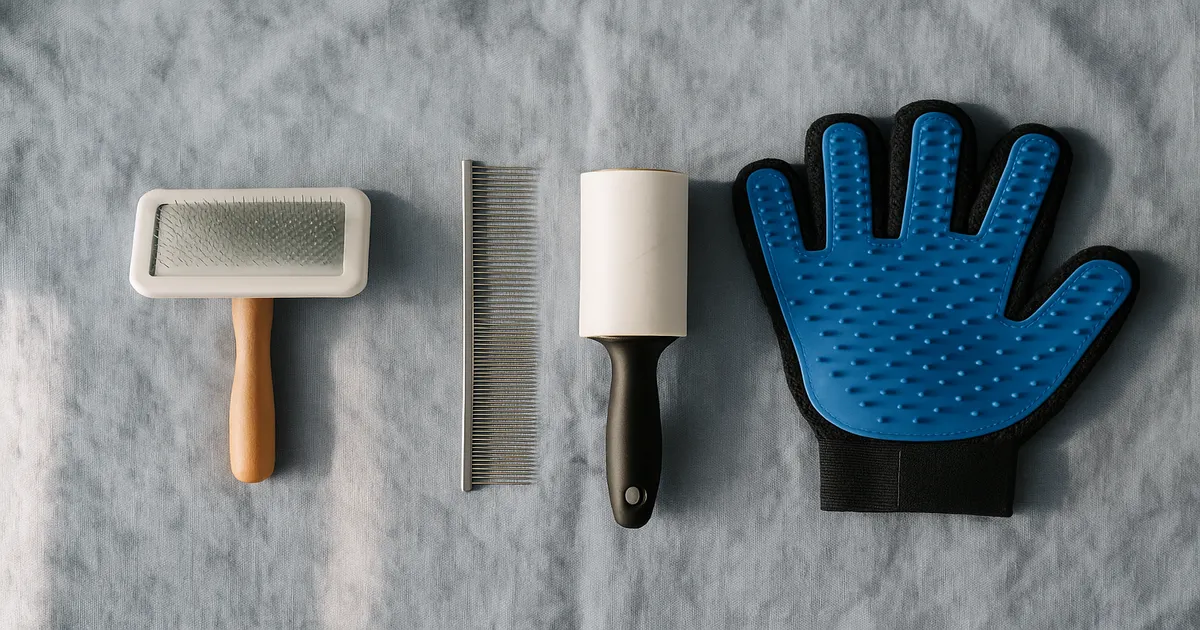
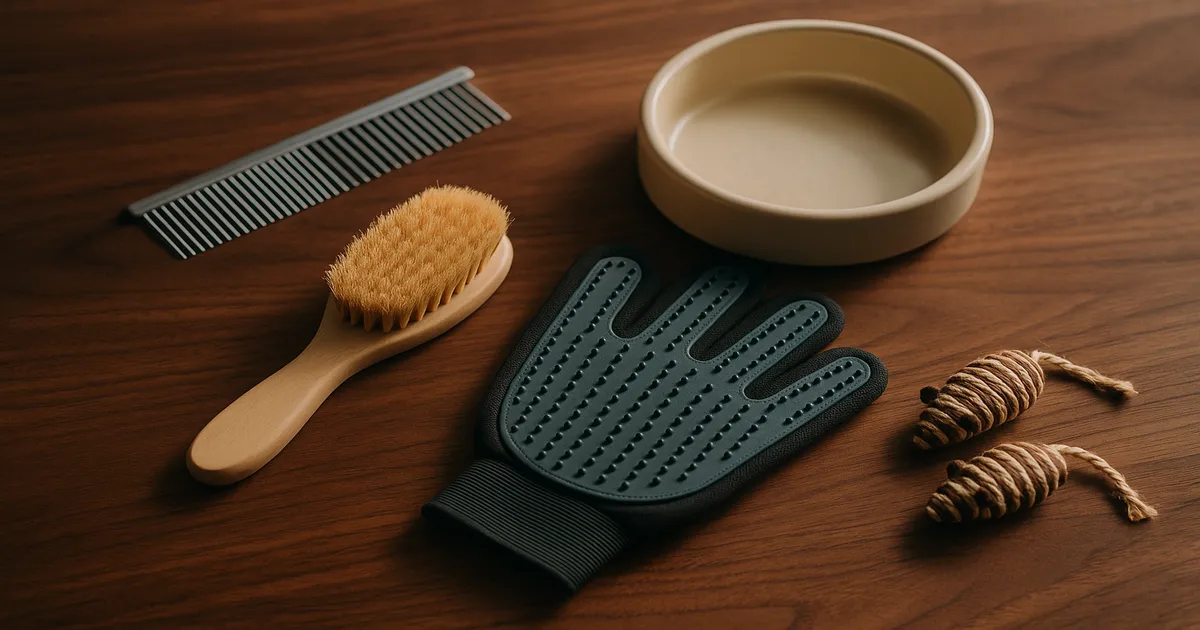
The Abyssinian’s short, ticked coat is genuinely easy to care for. Weekly brushing with a fine-toothed metal comb or a soft rubber grooming glove keeps shedding manageable — the KONG ZoomGroom is a good option that most cats tolerate well. During spring and fall shedding seasons, bump that to twice a week.
Nail trims every two to three weeks, weekly ear checks, and daily dental care round out the routine. Dental disease is a real concern in this breed — daily brushing with cat-safe enzymatic toothpaste is the gold standard, with professional cleanings annually.
Best Home Environment
Vertical space is the single most important environmental factor. A tall cat tree or wall-mounted shelving system gives them the climbing outlet they crave — something like the Armarkat 72-inch Cat Tree provides both height and multiple perch levels. Window perches with a bird feeder or squirrel activity visible outside add passive entertainment during the hours you’re busy.
Abyssinians can thrive in apartments, but only with consistent enrichment and ideally a feline companion. An under-stimulated Aby in a bare studio is a recipe for anxiety and destruction.
Feeding Your Abyssinian Cat
Diet Basics
Prioritize a high-protein, animal-based diet with wet food as the foundation. Look for named meat sources — chicken, turkey, salmon — as the first ingredient. Wet food’s moisture content (around 75–80%) directly supports kidney health, which matters for a breed predisposed to renal amyloidosis. Dry kibble can supplement or serve as puzzle feeder content, but it shouldn’t be the sole diet.
Freeze-dried raw diets are popular among Abyssinian breeders — Stella & Chewy’s Freeze-Dried Raw Cat Dinner Morsels is one widely available AAFCO-compliant option. Discuss any raw feeding approach with your vet before committing.
Feeding Schedule by Life Stage
| Life Stage | Frequency | Approx. Daily Calories |
|---|---|---|
| Kitten (under 12 months) | 3–4× daily | 200–300 kcal |
| Adult (1–7 years) | 2× daily | 150–250 kcal |
| Senior (7+ years) | 2–3× daily | 130–200 kcal |
Ideal adult weight is 6–10 lbs (2.7–4.5 kg) for females and 8–12 lbs (3.6–5.4 kg) for males. Avoid free-feeding dry kibble — it’s a leading cause of feline obesity and does nothing for hydration.
Hydration and Kidney Health
A cat water fountain encourages drinking by keeping water moving — cats are instinctively drawn to running water. The Catit Flower Fountain is affordable, easy to clean, and widely recommended by vets. For any cat with early kidney concerns, your vet may also recommend a low-phosphorus diet, as phosphorus restriction can slow disease progression.
Frequently Asked Questions
How much does an Abyssinian cat cost from a breeder?
Kittens from reputable, health-testing breeders typically cost $1,000–$2,500. That price should include DNA health test documentation for both parents, a starter vaccination series, and a written contract. If a breeder is charging significantly less with no health testing, treat it as a red flag.
Are Abyssinians good for first-time cat owners?
They can be — but only for first-timers who are genuinely prepared for a high-energy, high-intelligence cat. If you’re committed to daily interactive play, environmental enrichment, and an engaged relationship with your pet, an Aby can be an incredibly rewarding first cat. If you want a calm, low-maintenance companion, look at a different breed.
What health tests should an Abyssinian breeder provide?
At minimum, ask for DNA test certificates confirming both breeding parents have been tested for Pyruvate Kinase Deficiency (PK Deficiency) and Progressive Retinal Atrophy (PRA-rdAc). Documentation — not just a verbal claim — is non-negotiable. Vaccination records and a vet health certificate for the kitten should also be included.
Can you adopt an Abyssinian from a rescue or shelter?
Yes, and it happens more often than people expect. Purebred Abyssinians frequently appear in shelters as owner surrenders, often because their energy level surprised previous owners. Use the breed filter on Petfinder or Adopt-a-Pet to set up alerts, or contact a breed-specific Abyssinian rescue for cats with detailed behavioral histories.
How long do Abyssinian cats live?
The typical lifespan is 12–15 years, and well-cared-for individuals sometimes reach 17–20 years. Starting kidney panels at age 3–4 and thyroid screening from age 7 onward gives you the best chance of catching age-related conditions early, when they’re most manageable.